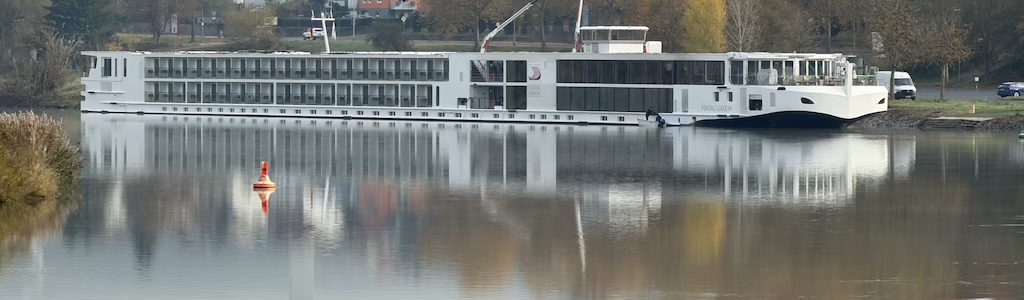
Vienna (from Budapest to Amsterdam)
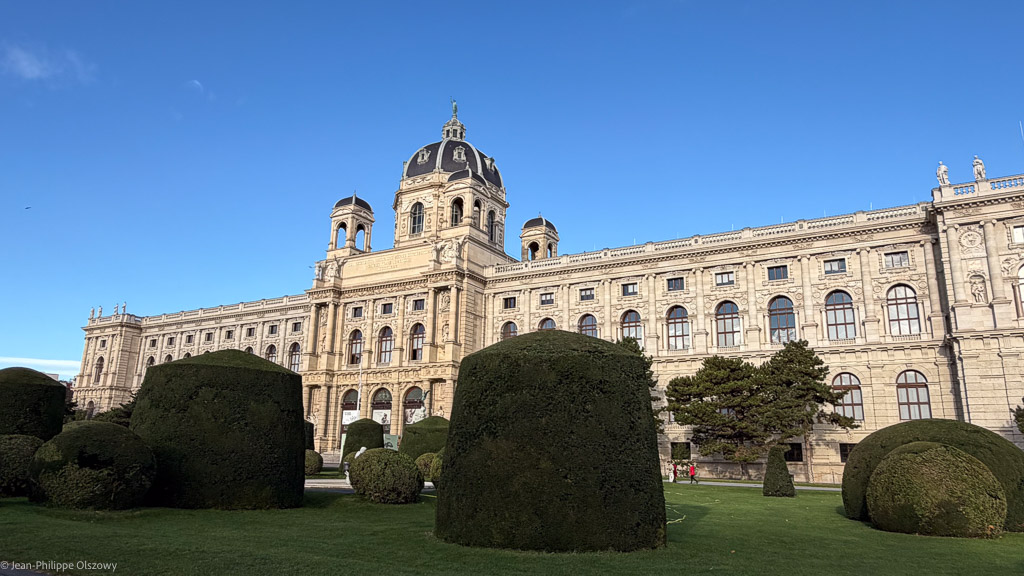
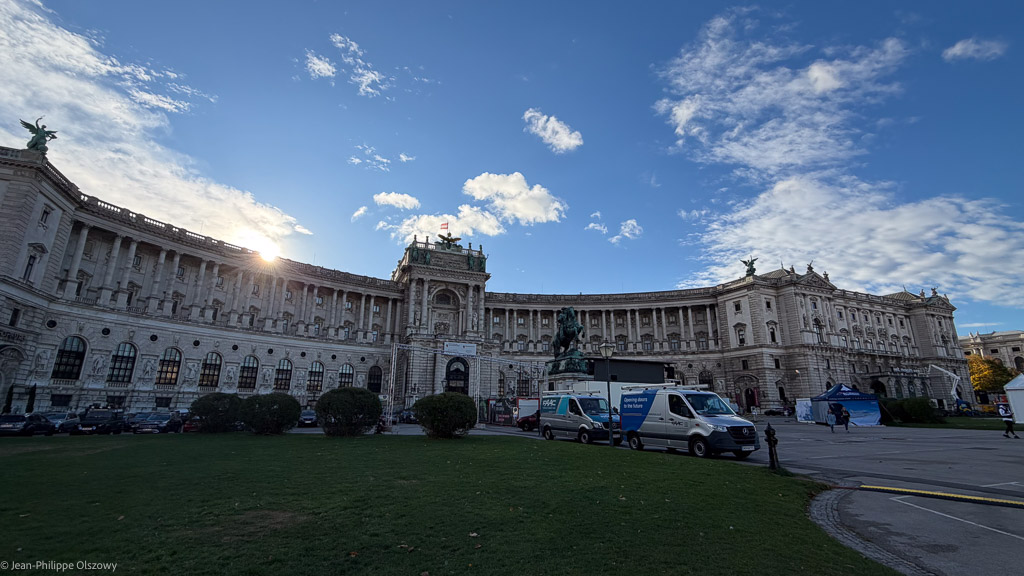
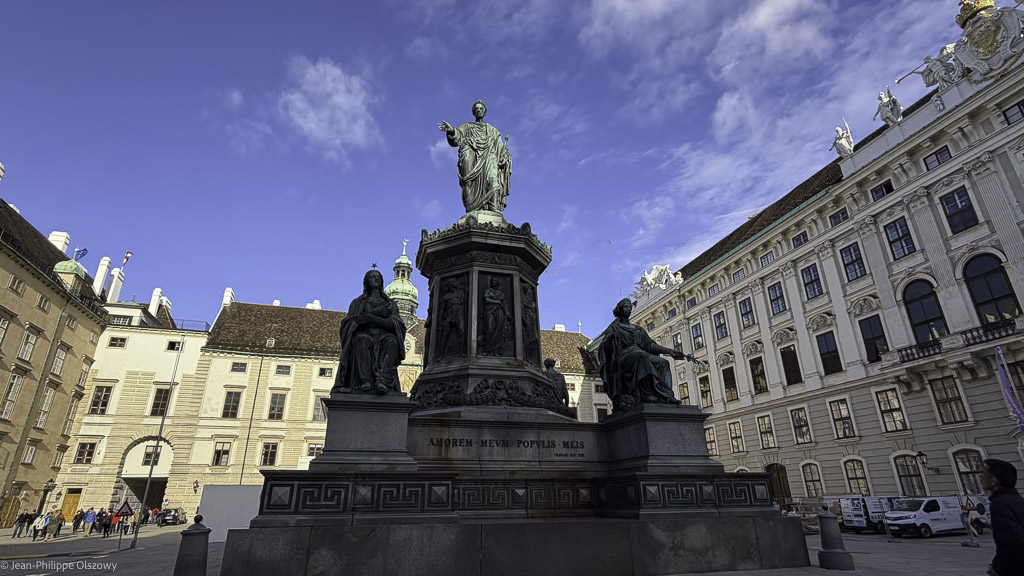
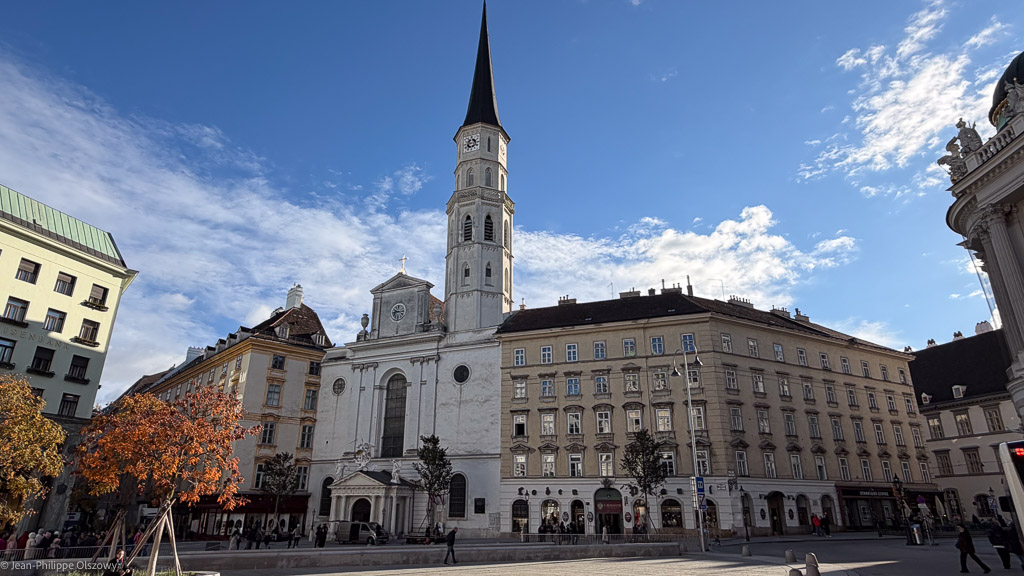
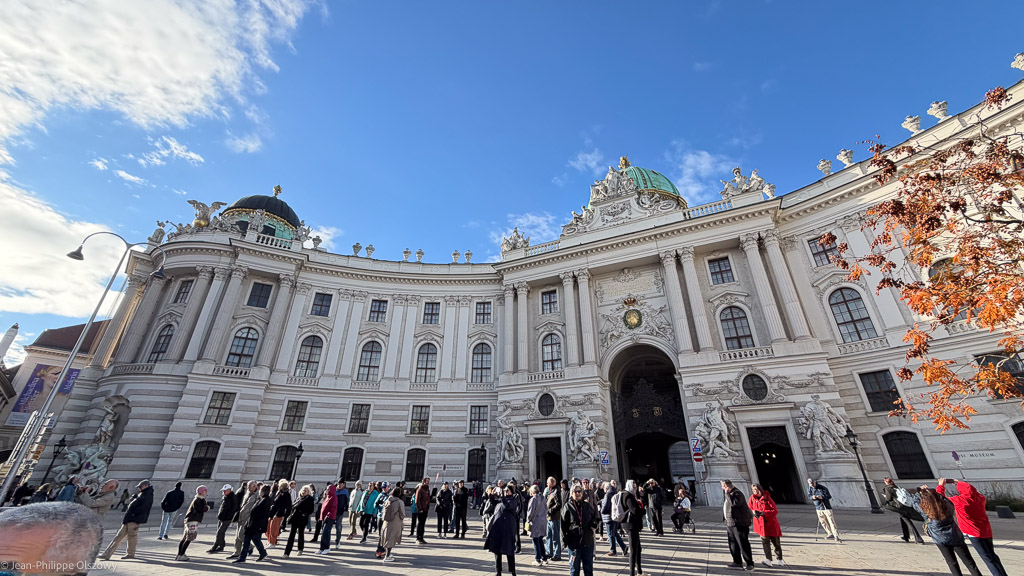
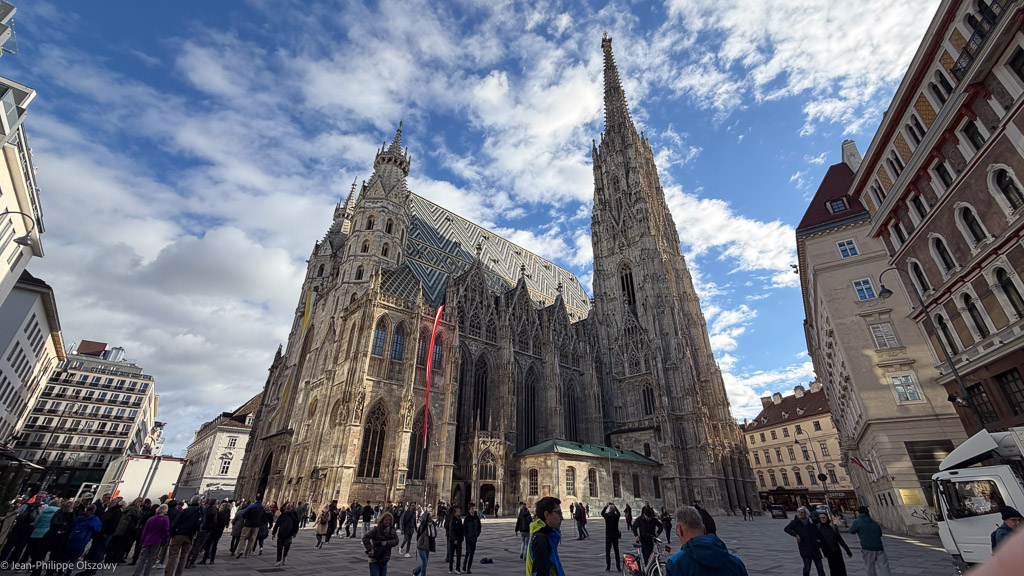
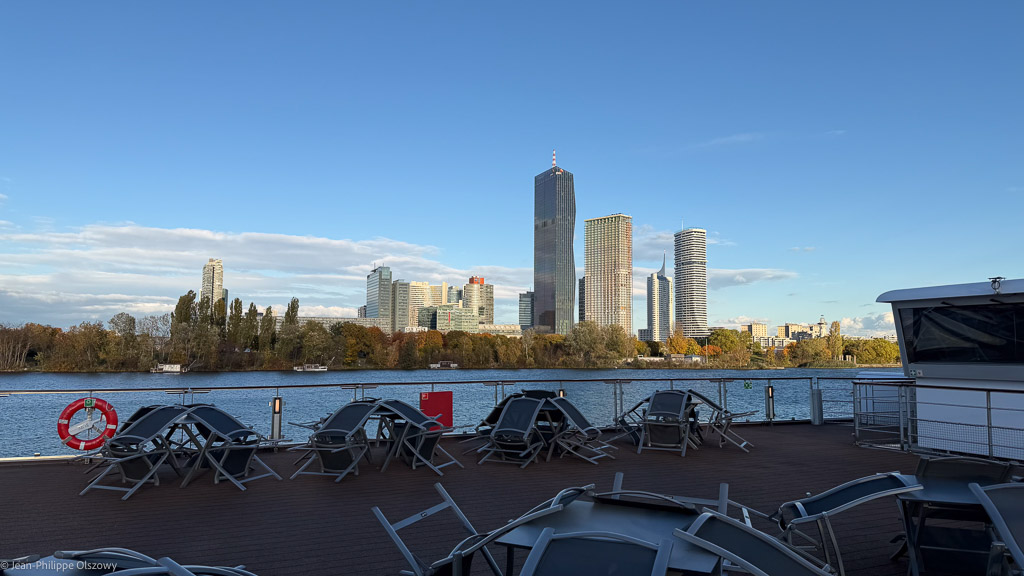
In Vienna, St. Stephen’s Cathedral is one of the city’s most iconic landmarks. But what often catches the eye is its stunning roof covered in colorful tiles. More than 200,000 glazed tiles create geometric patterns and the Habsburg imperial eagle. This detail is particularly noticeable from the city’s heights… or simply by taking the time to look up in the middle of the square.
Melk (from Budapest to Amsterdam)
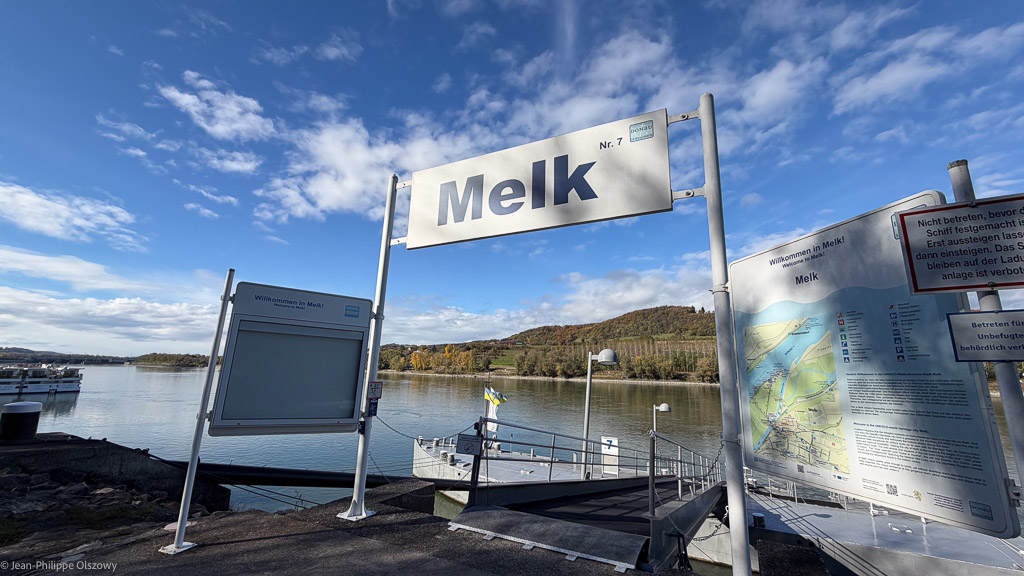
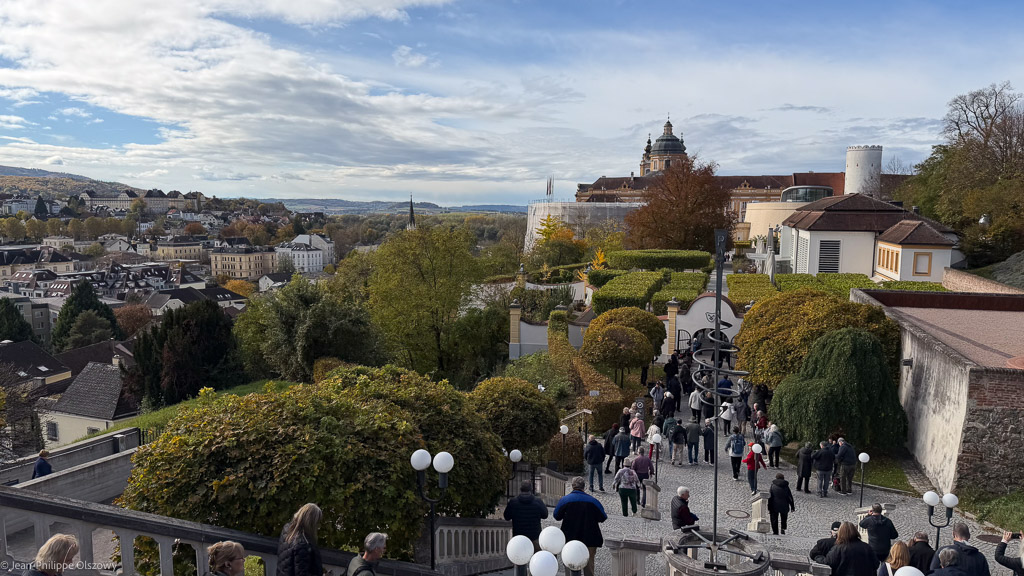
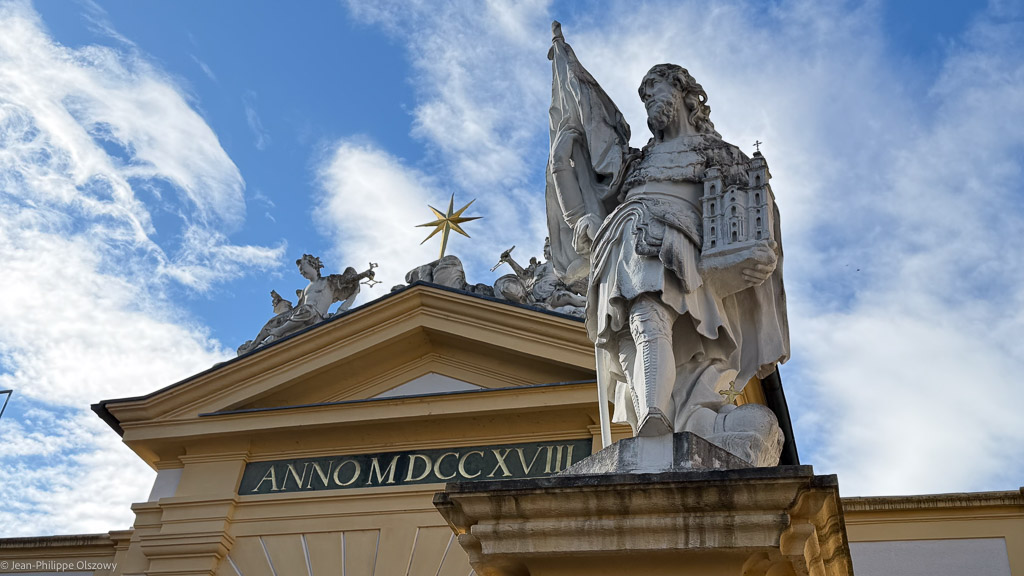
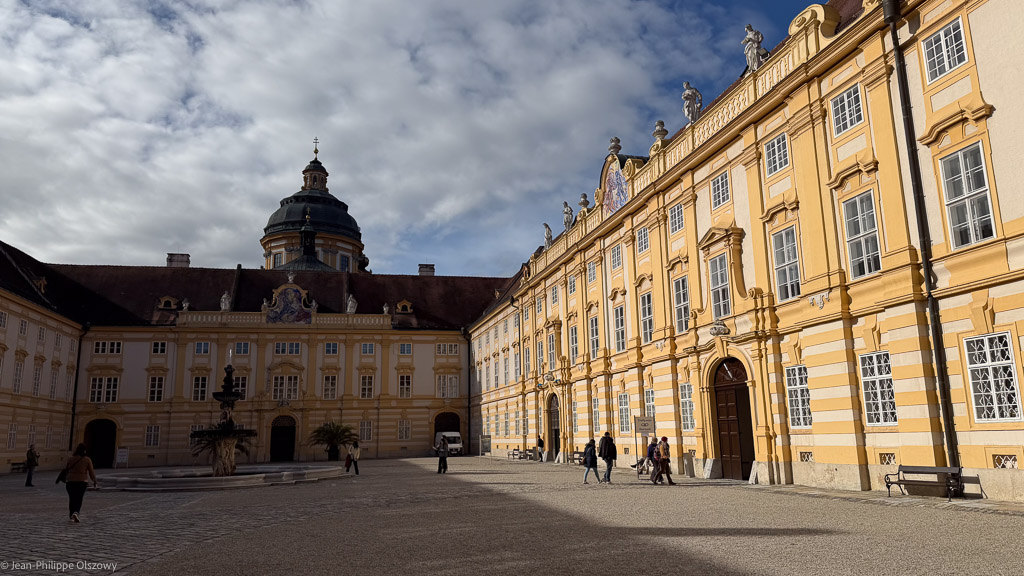
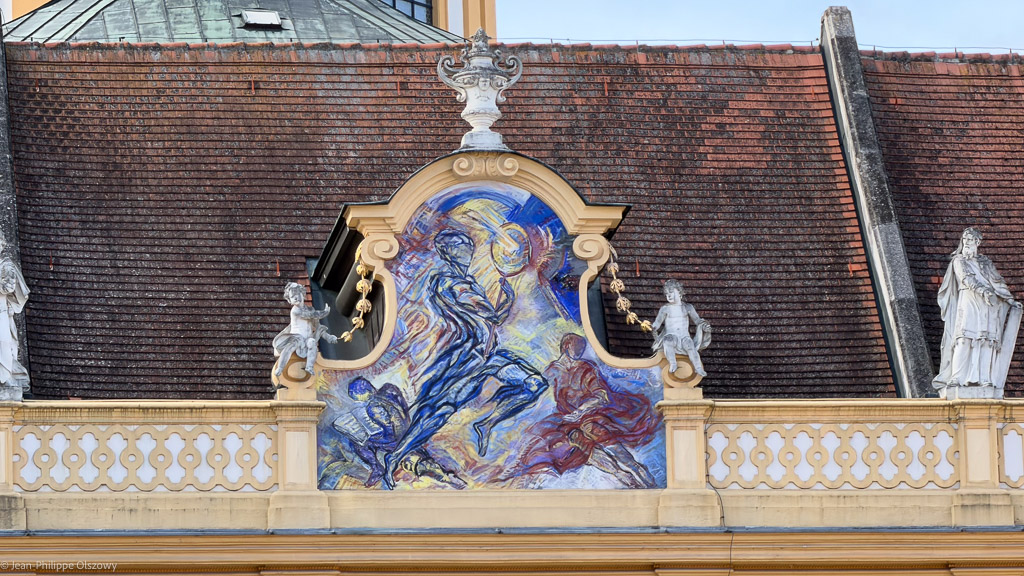
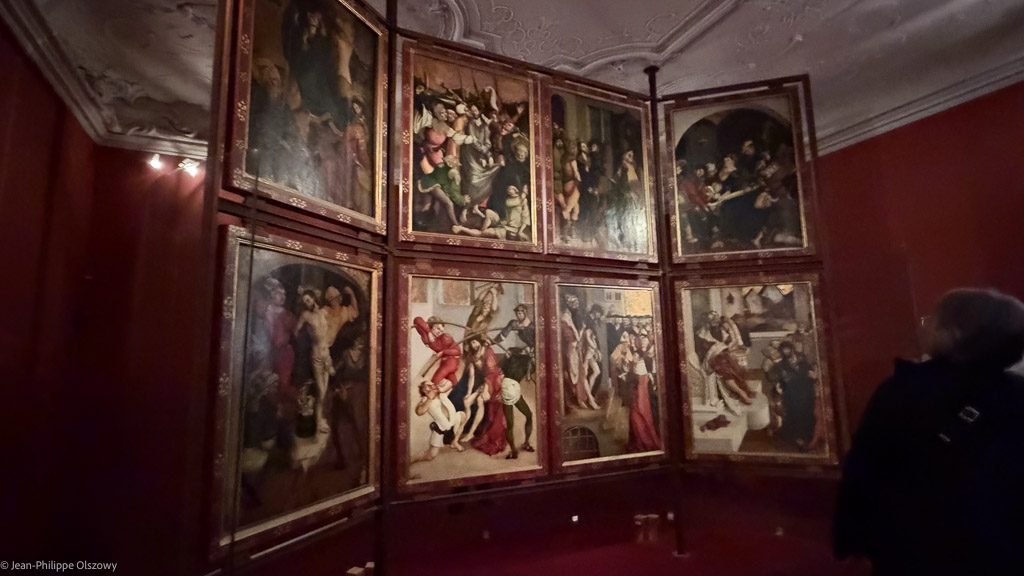
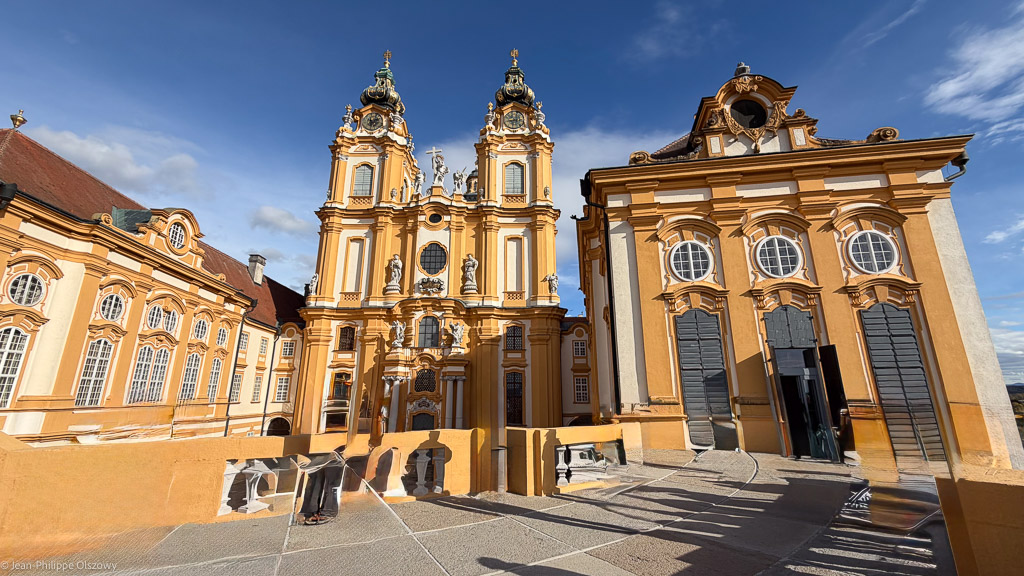
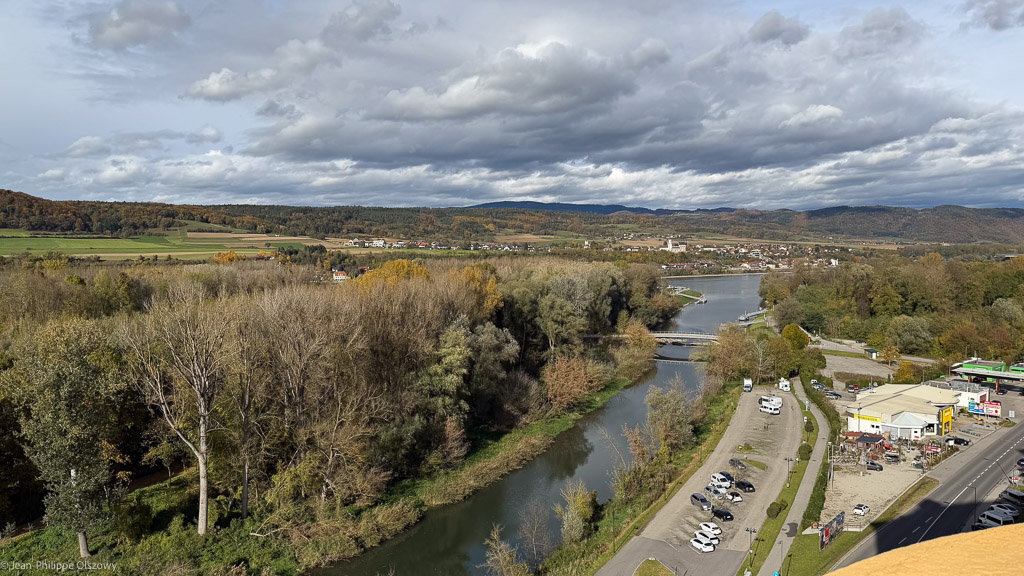
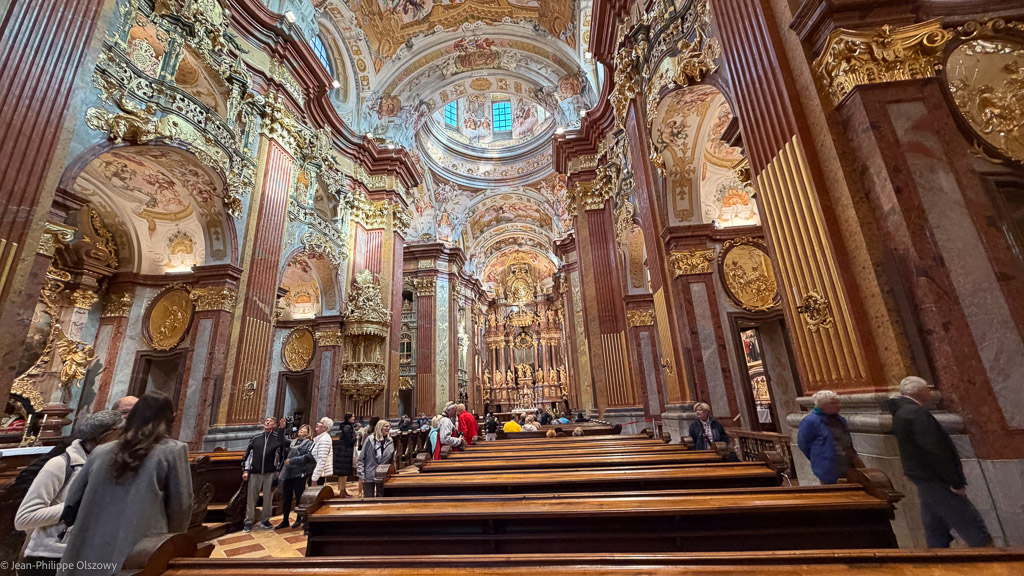
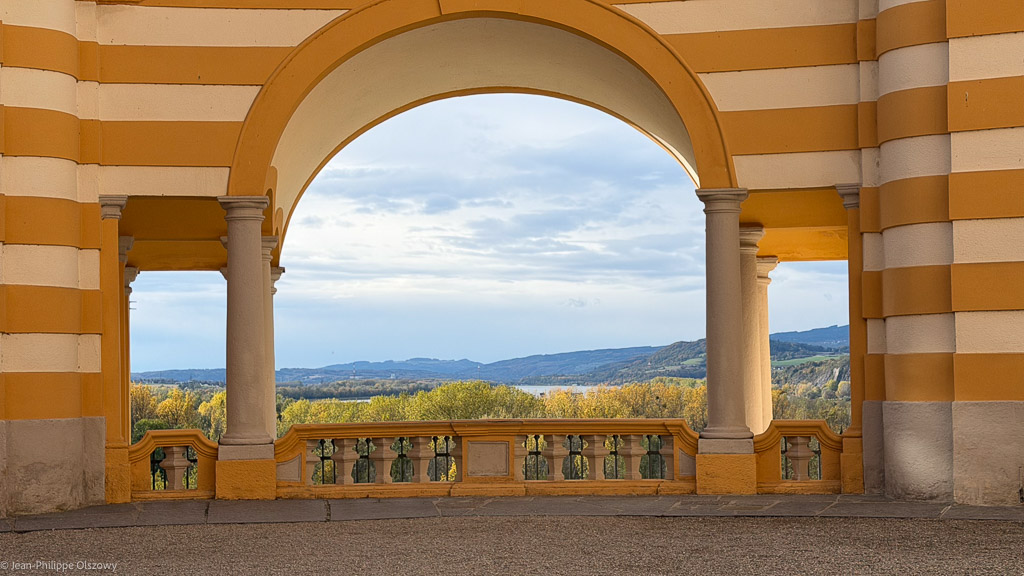
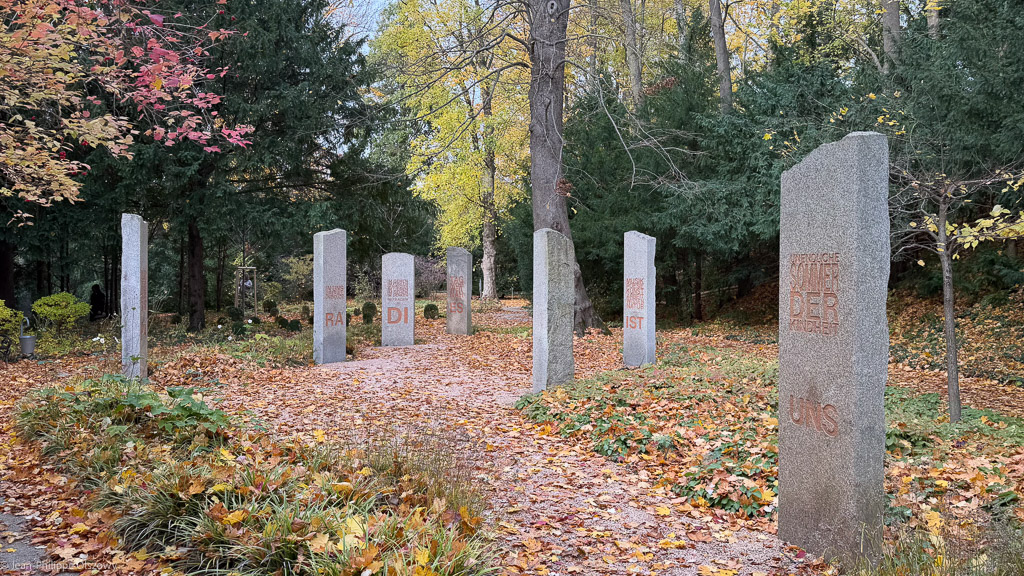
In Melk, the immense Baroque abbey overlooking the Danube is impossible to miss. Built in the 18th century on a rocky promontory, it watches over the river and the Wachau Valley. This Benedictine monastery is best known for its spectacular library, which houses thousands of ancient manuscripts. With its frescoes, woodwork, and book-filled galleries, it almost resembles a film set—a reminder that the abbey was for centuries a great center of learning.
Passau (from Budapest to Amsterdam)
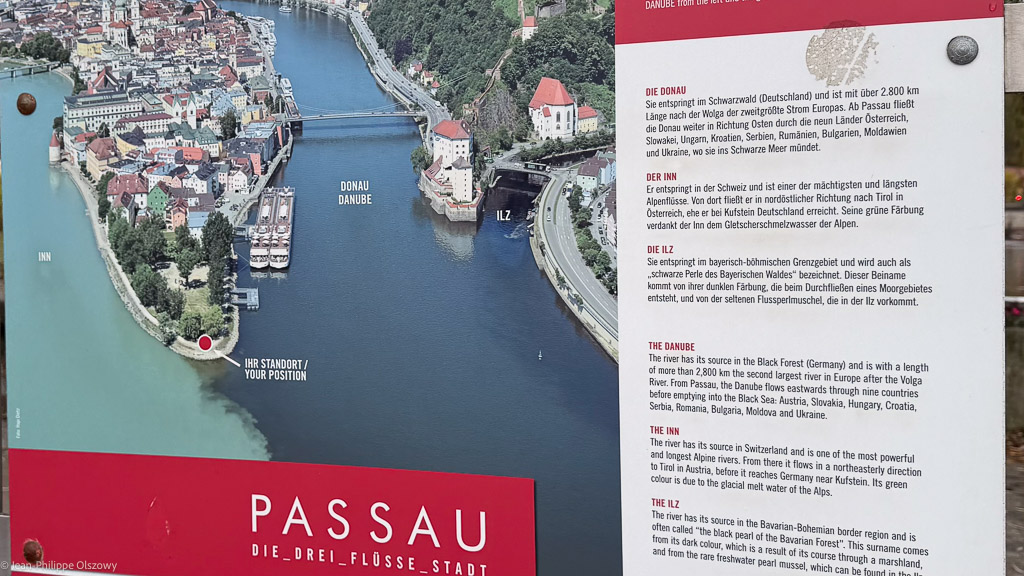
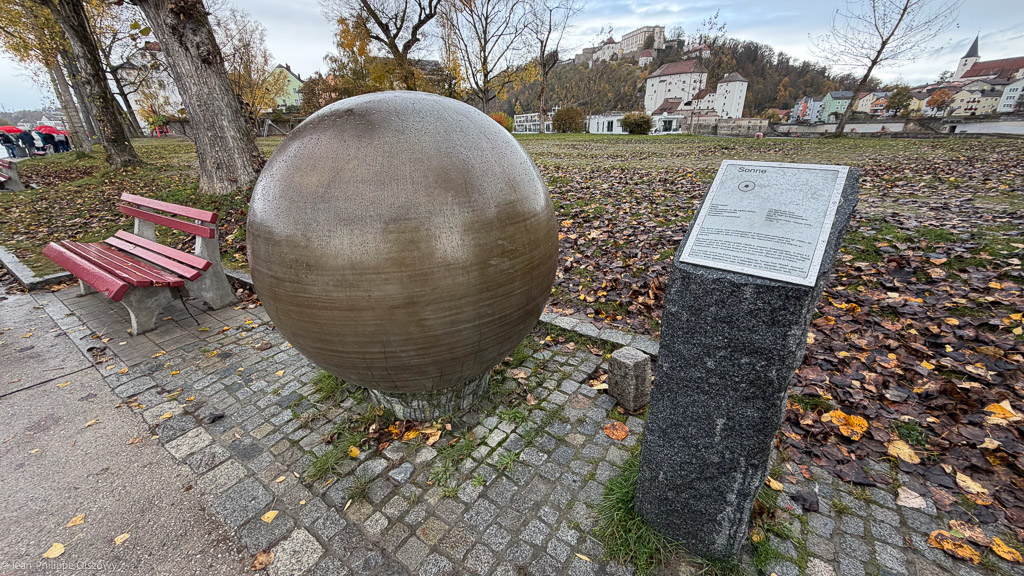
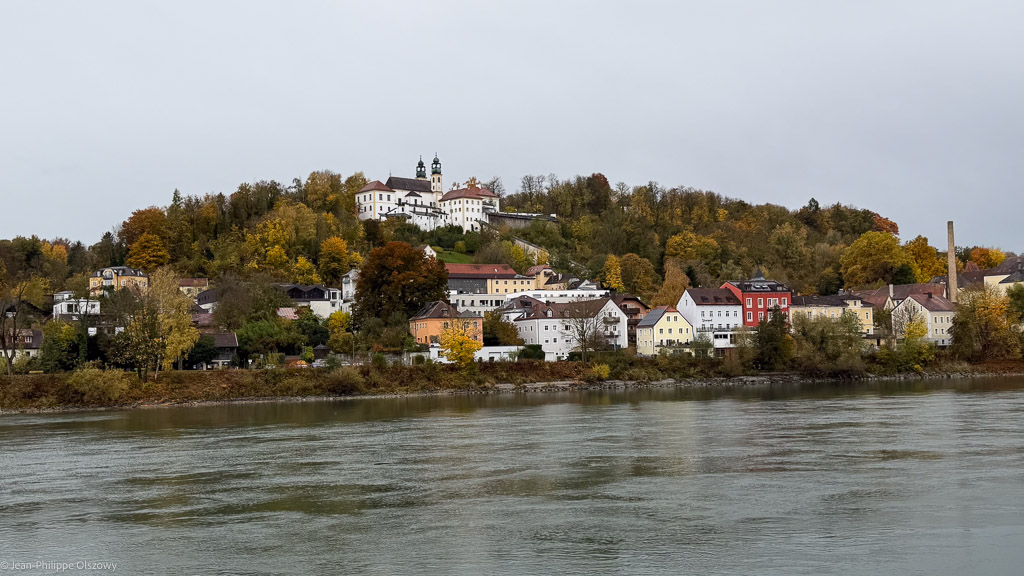
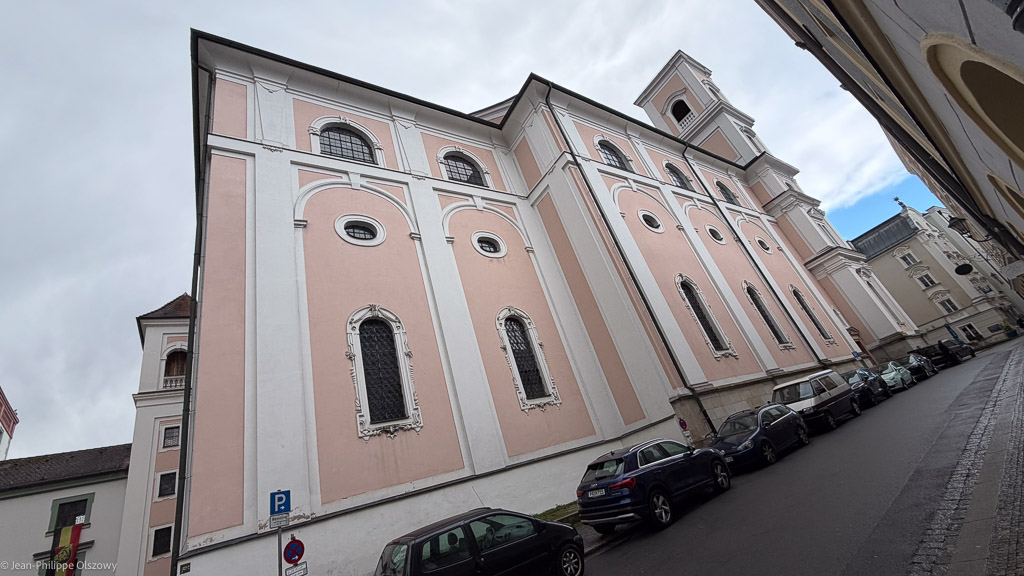
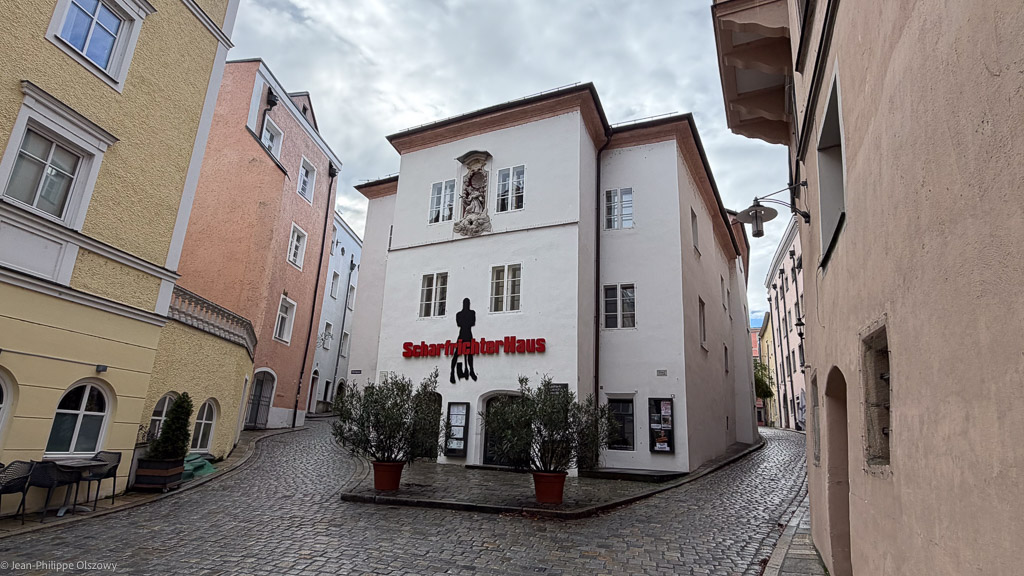
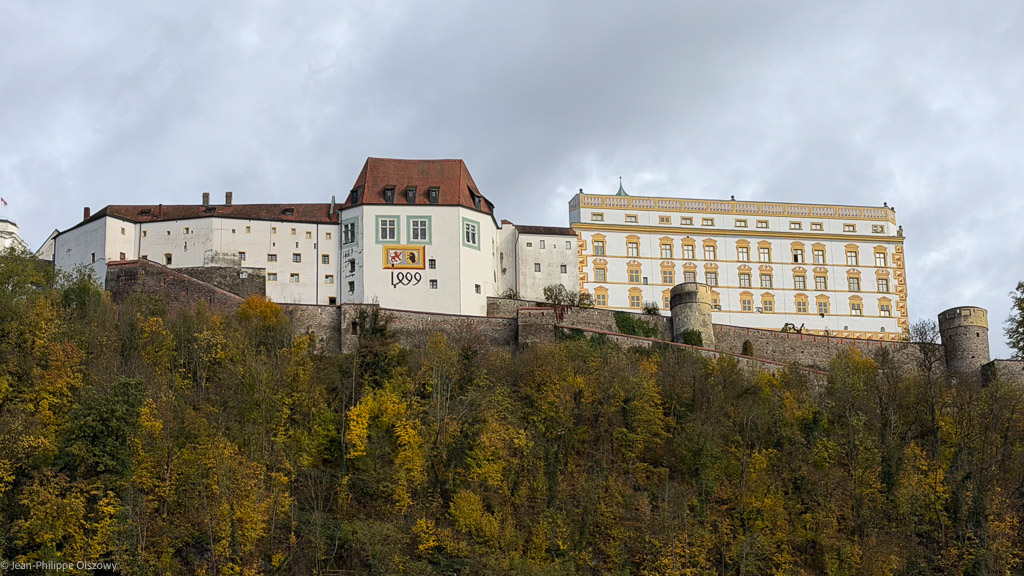
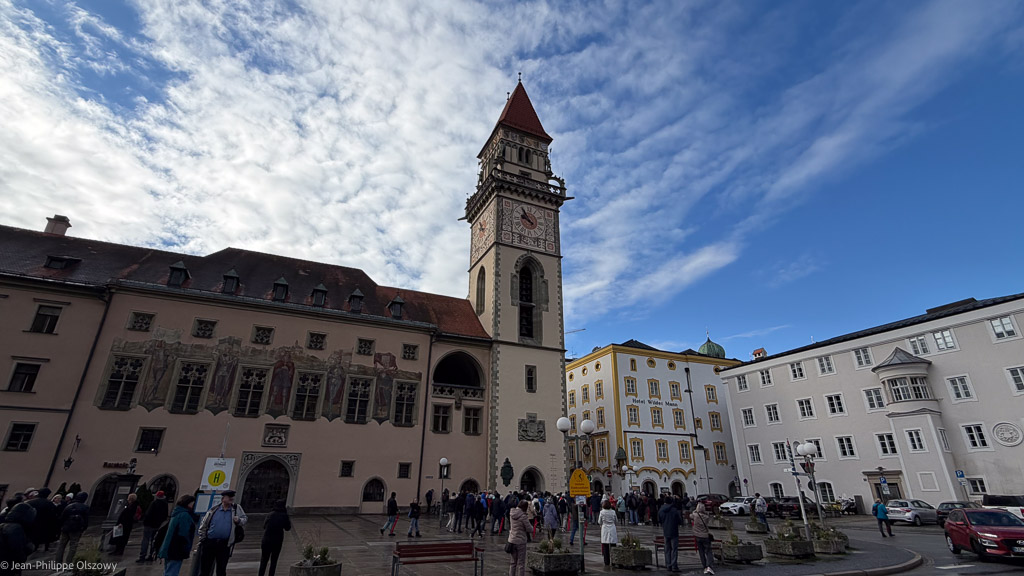
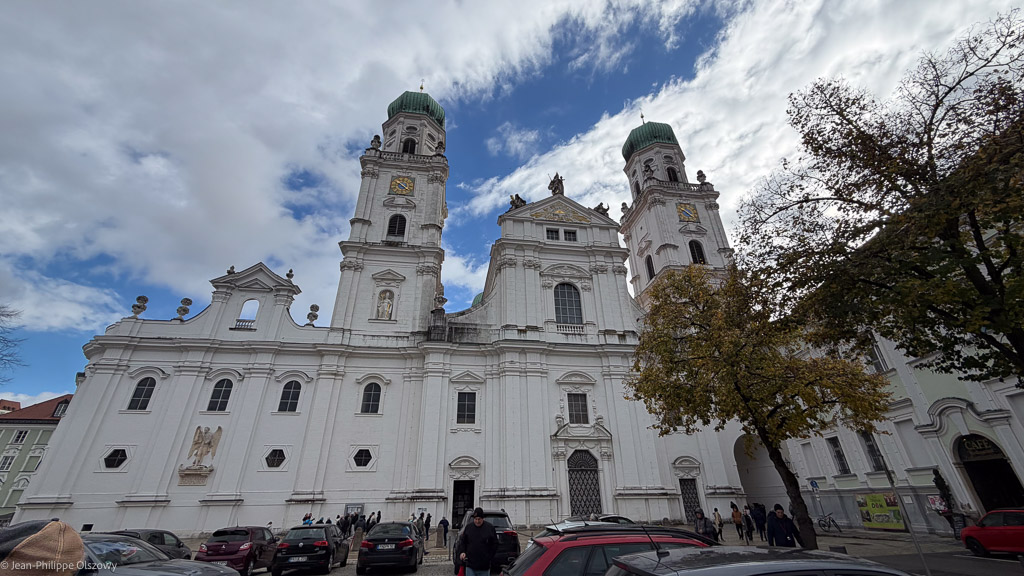
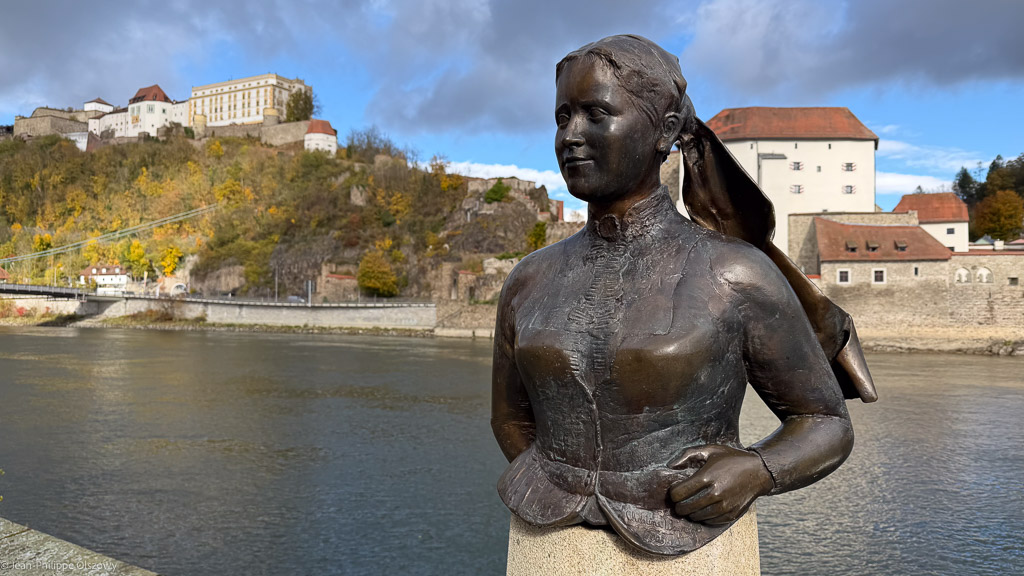
In Passau, the city seems to float between the waters. It is often called the “city of three rivers” because it is here that the Danube, the Inn, and the Ilz meet. Most striking is their contrasting colors: the Danube is rather dark, the Inn lighter and greenish, and the Ilz almost black. In some places, one can even distinguish the three streams as they slowly mingle before continuing their journey together eastward.
Regensburg (from Budapest to Amsterdam)
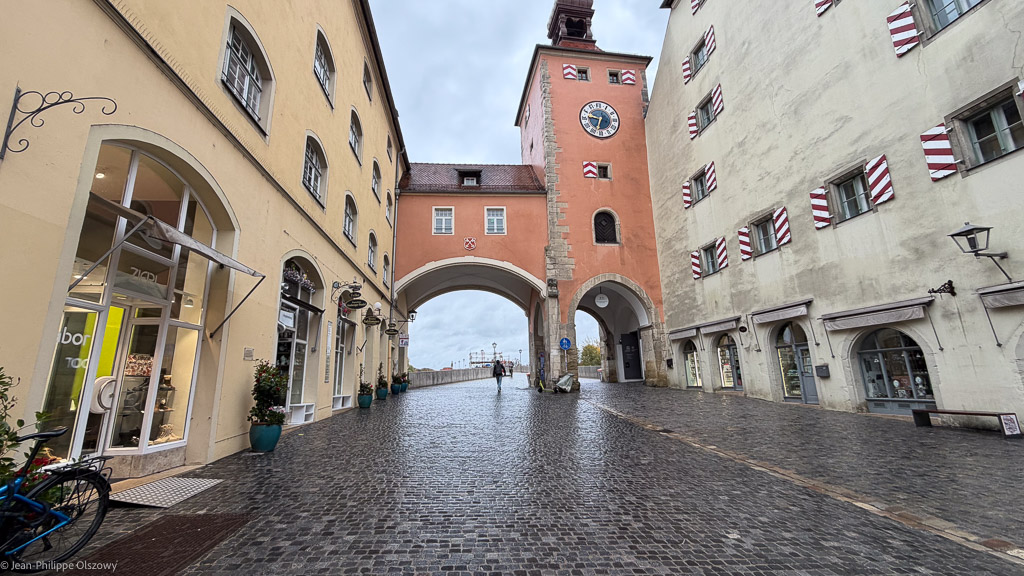
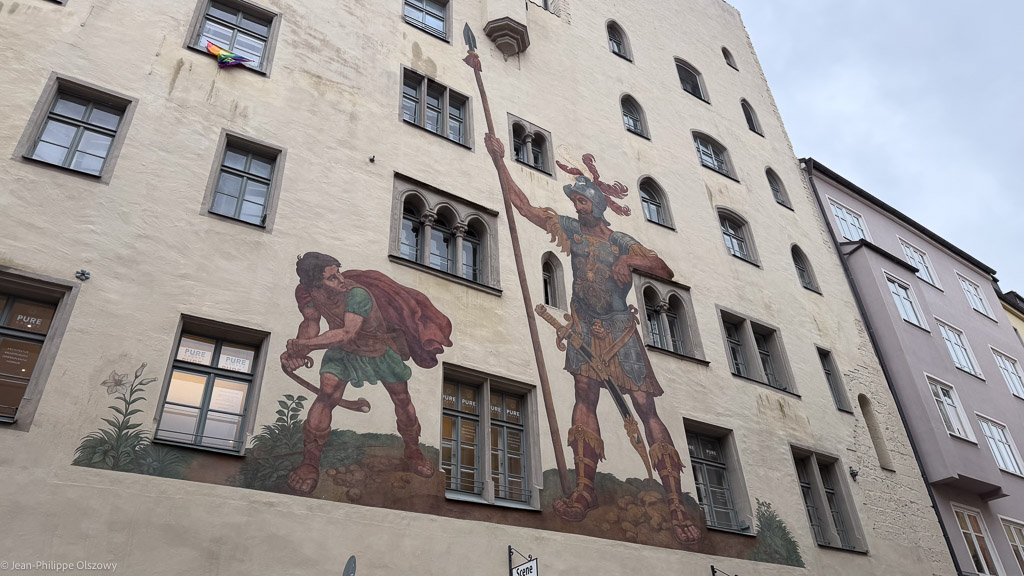
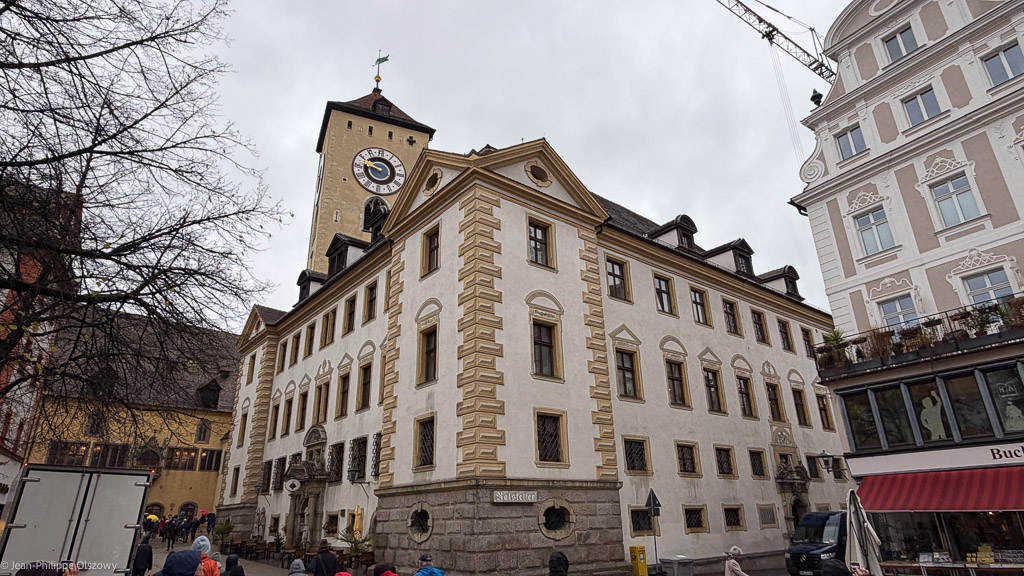
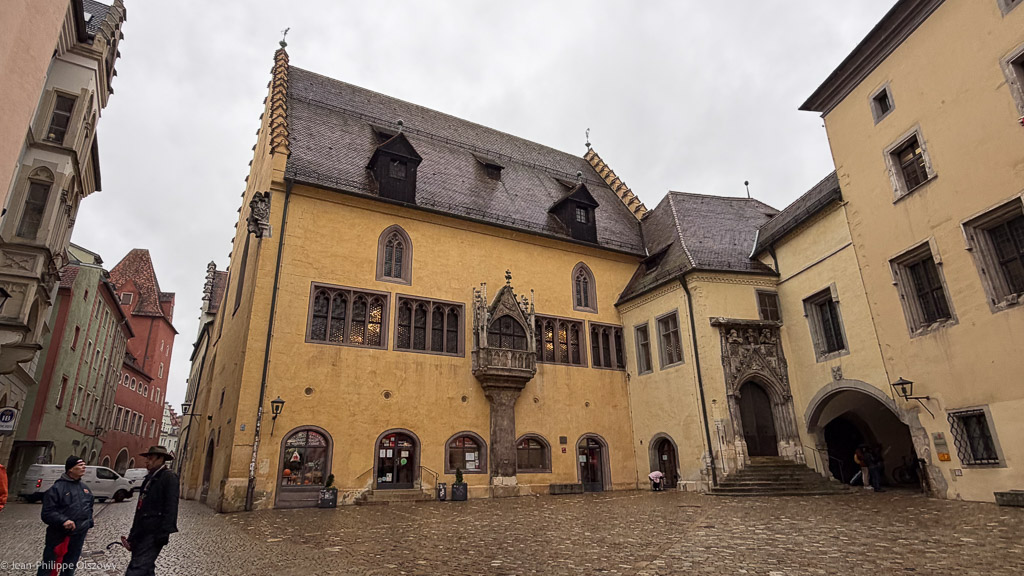
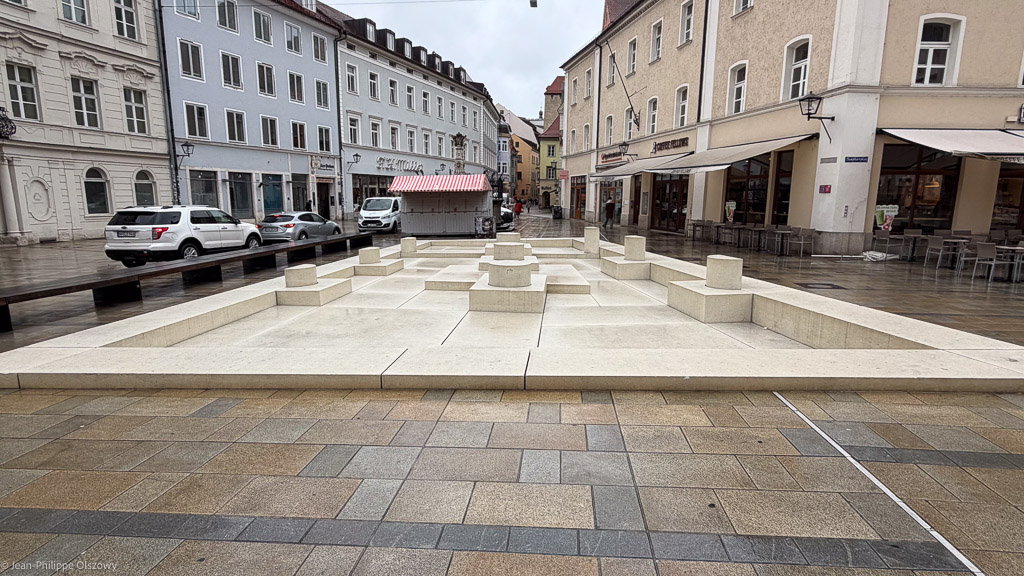
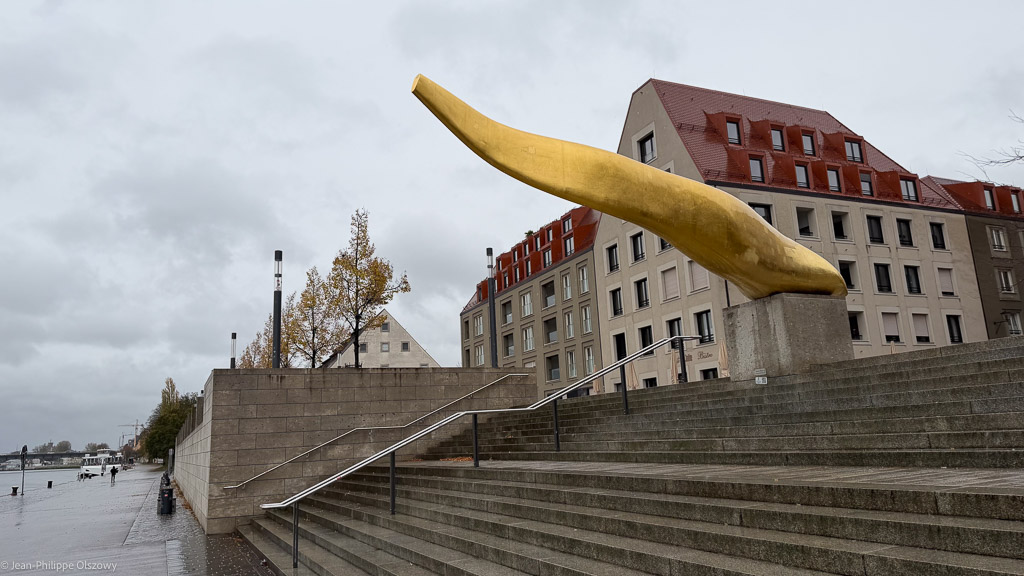
In Regensburg, one sometimes gets the impression of walking through a city that has remained almost untouched since the Middle Ages. Its remarkably well-preserved historic center boasts hundreds of ancient buildings and narrow streets that seem virtually unchanged for centuries. The city’s symbol is the old stone bridge that spans the Danube. Built in the 12th century, it was for a long time one of the only crossings of the river in the region, which helped make Regensburg an important trading hub in Central Europe.
Nuremberg (from Budapest to Amsterdam)
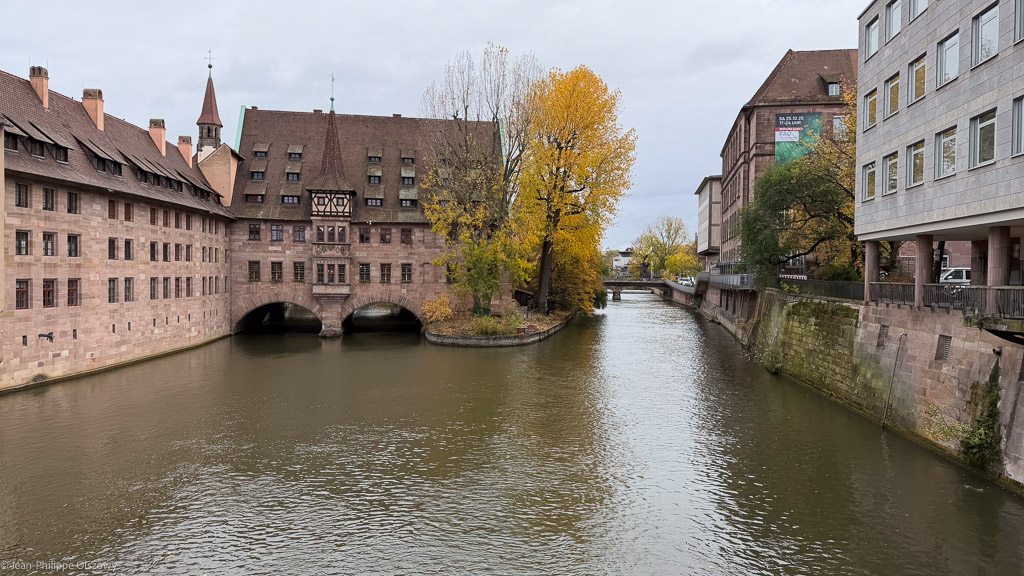
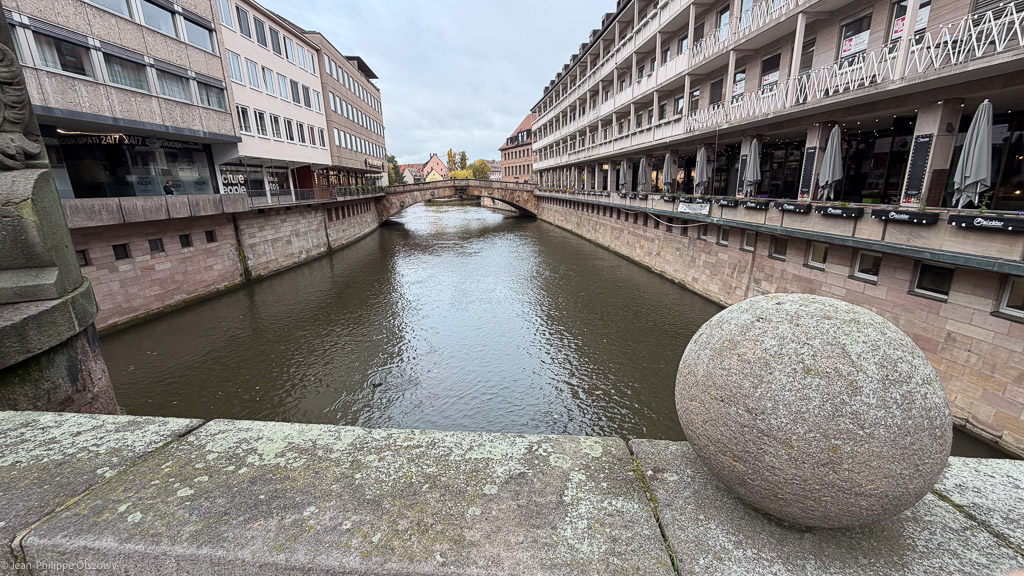
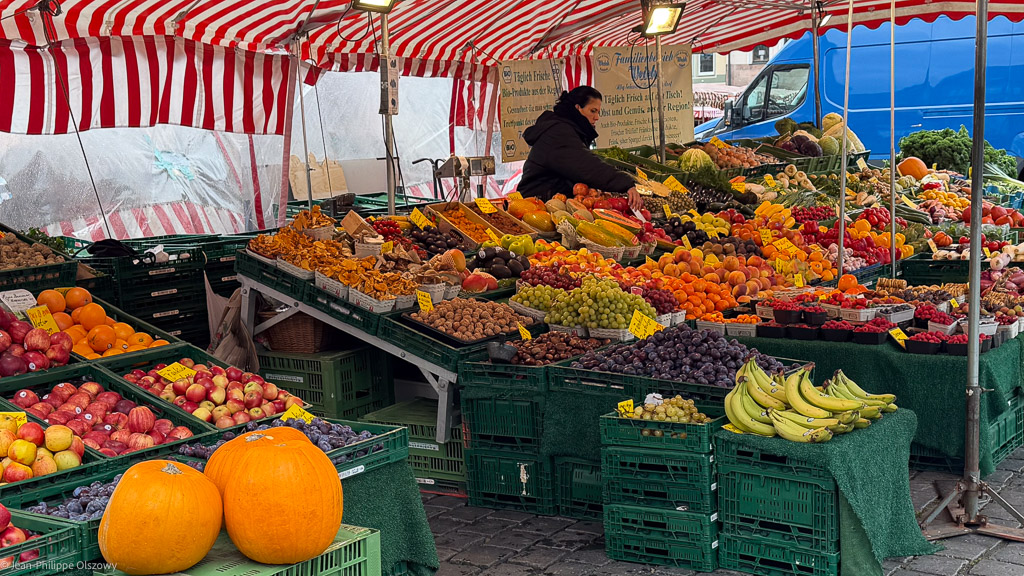
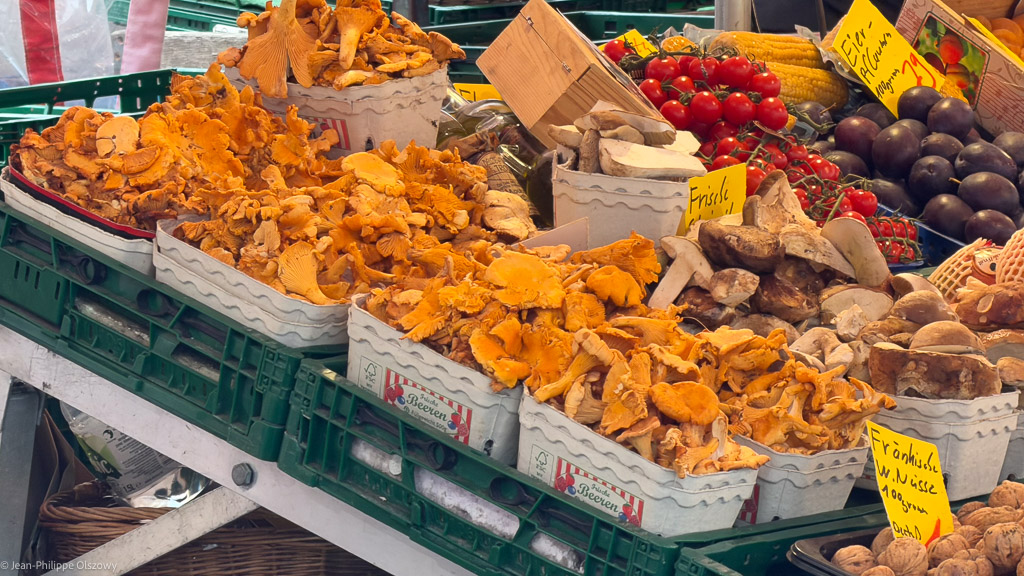
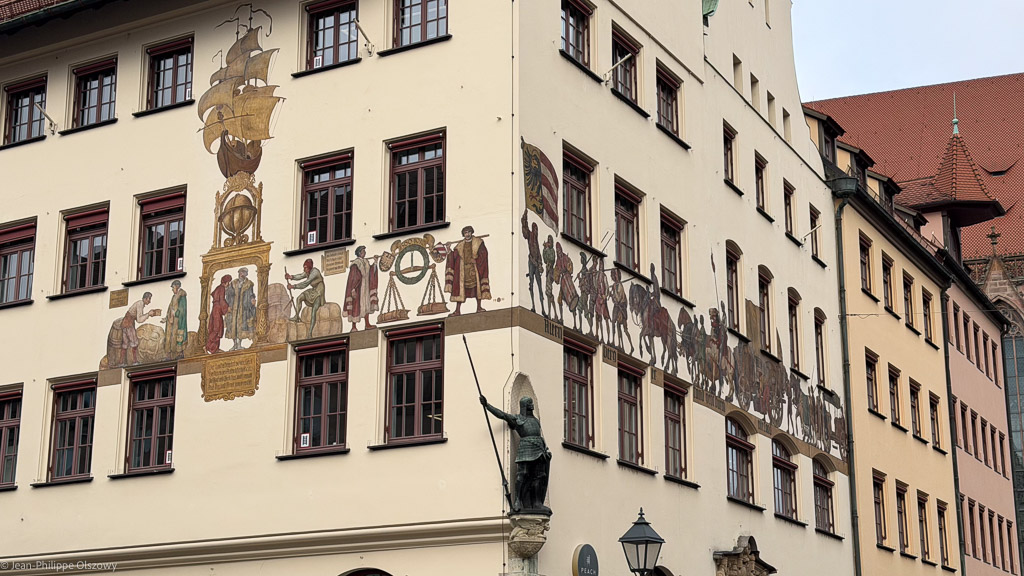
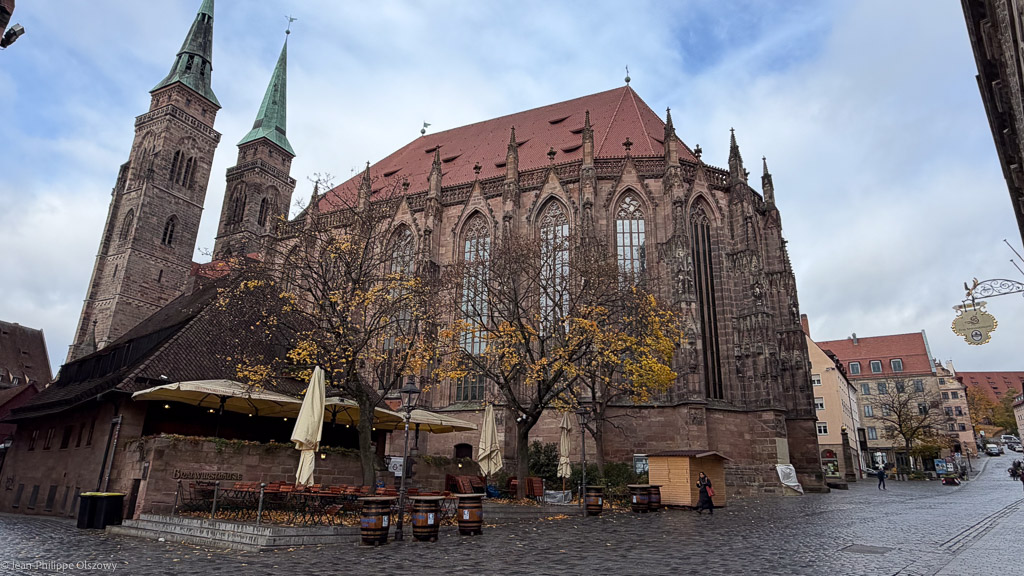
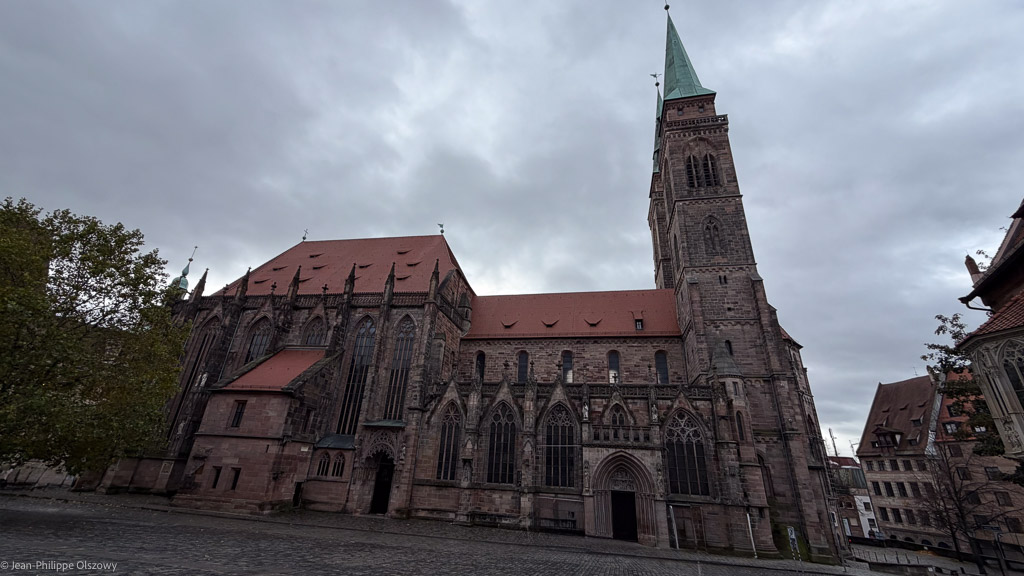
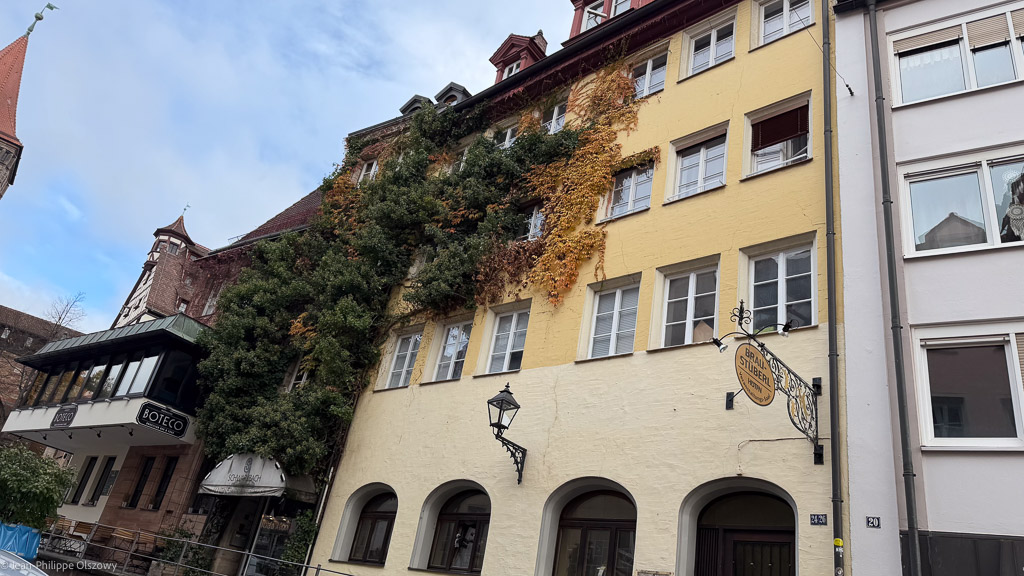
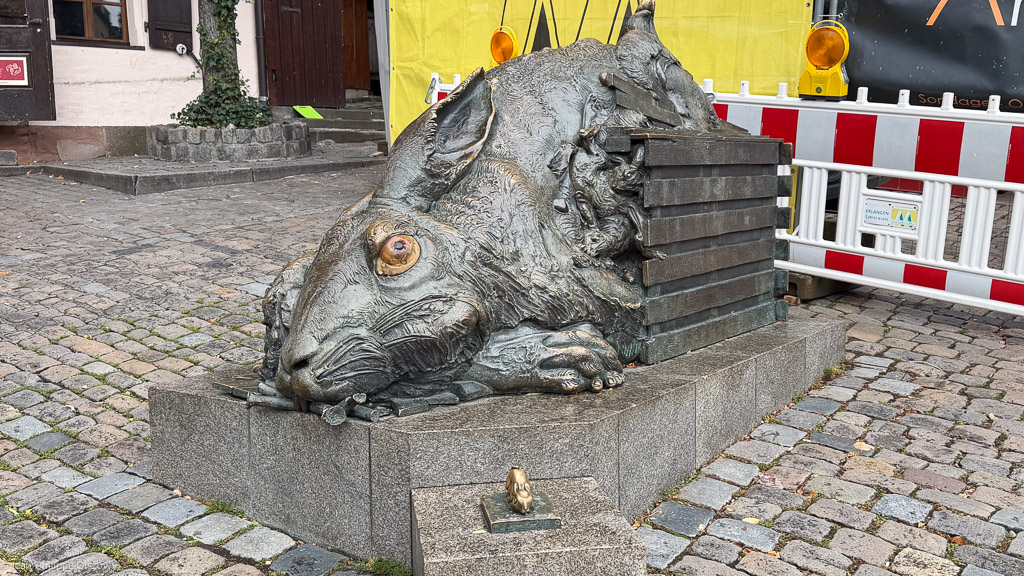
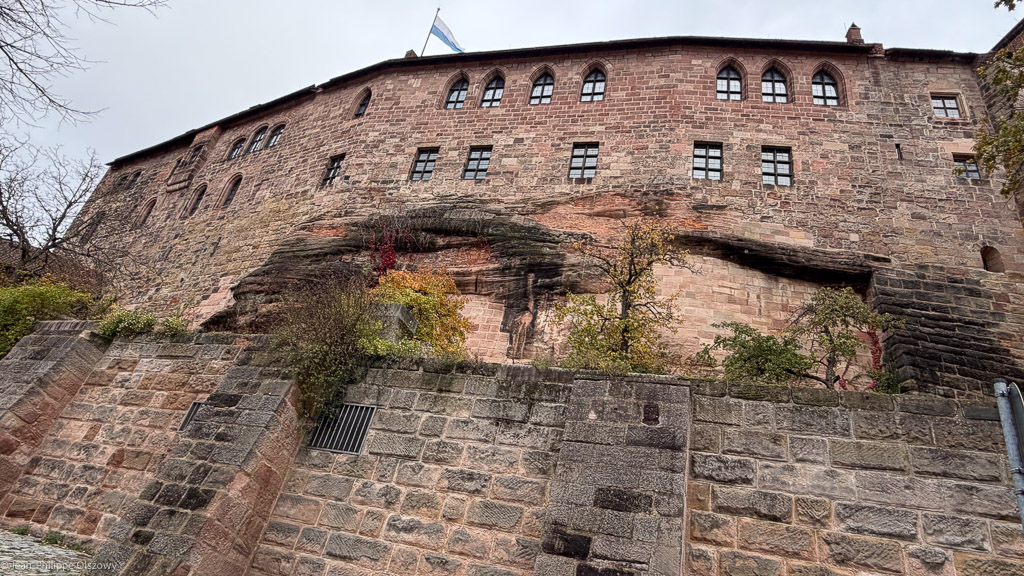
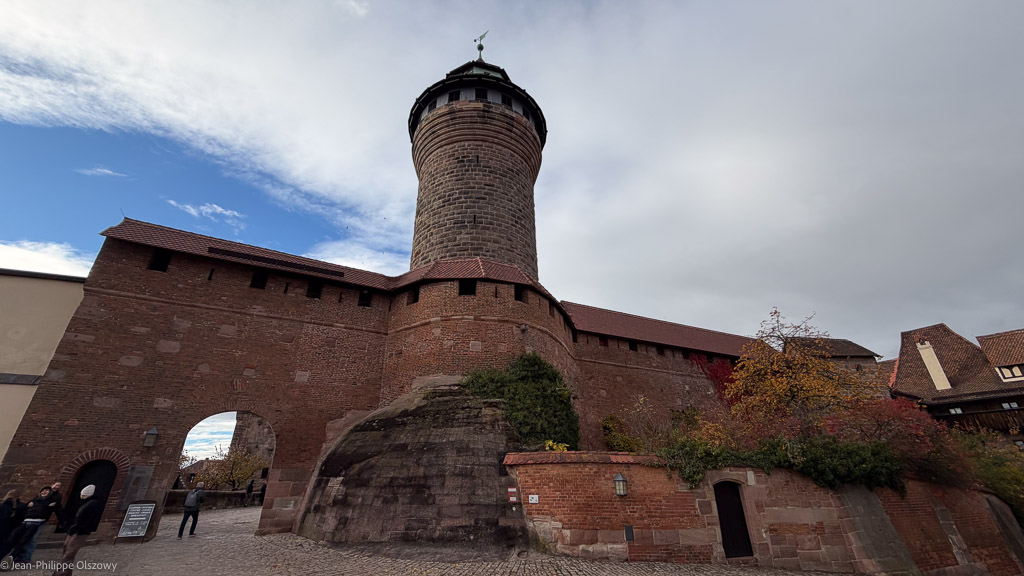
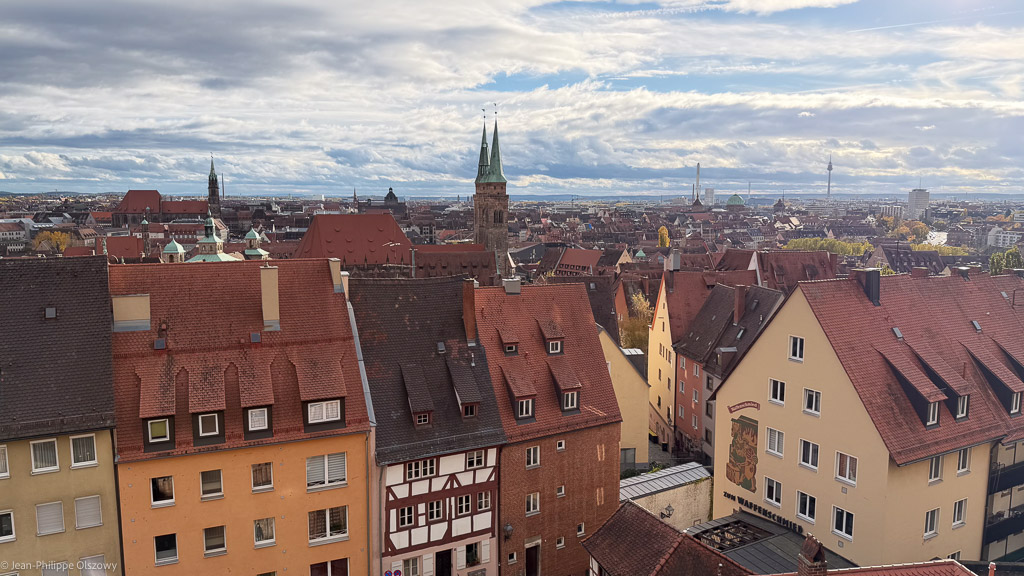
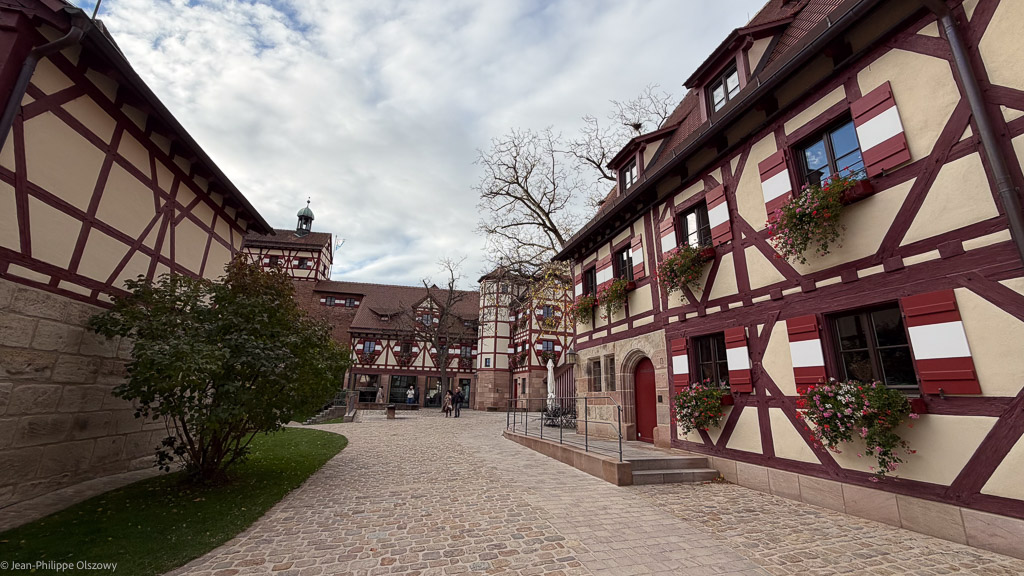
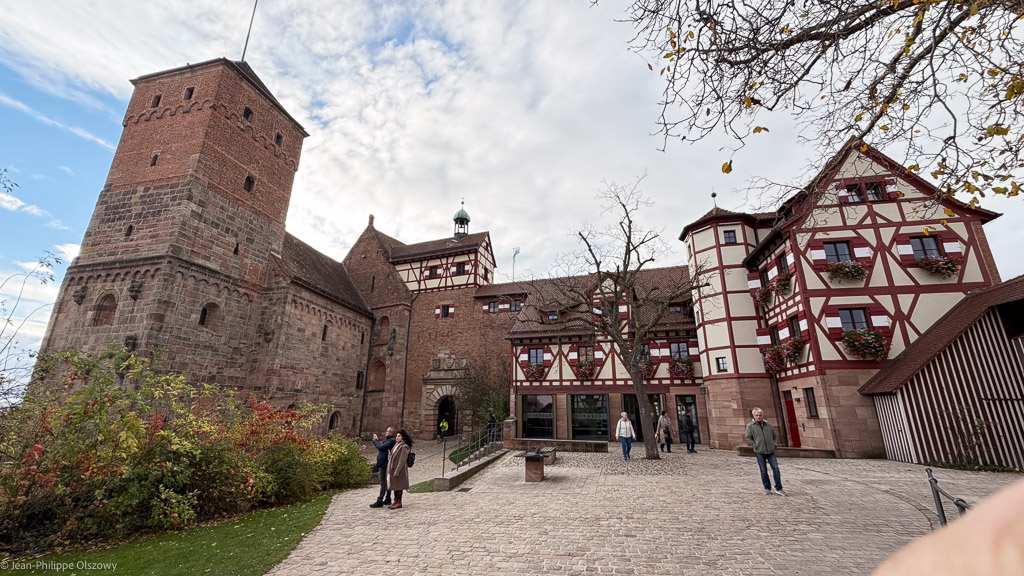
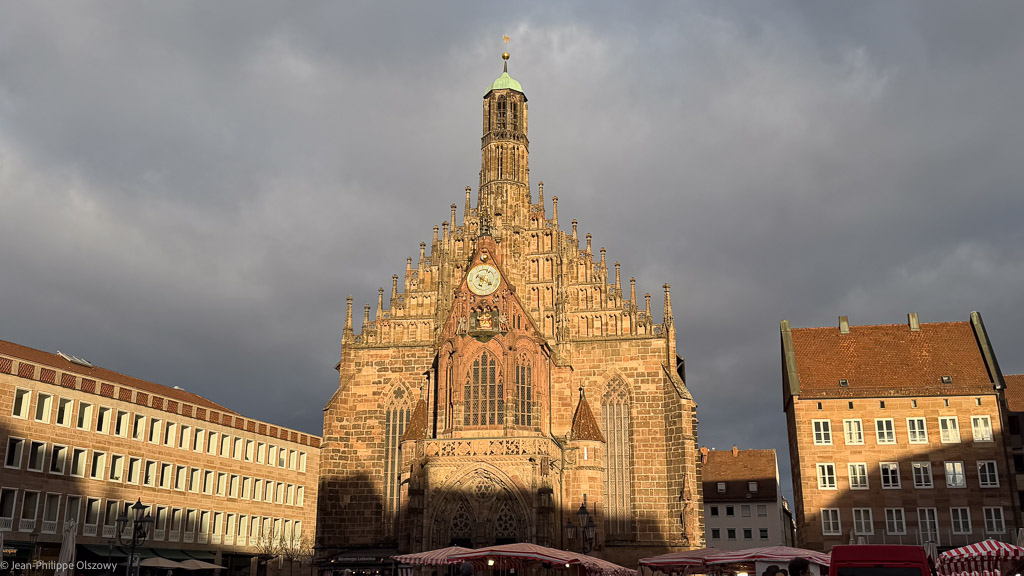
In Nuremberg, the silhouette of the imperial castle still dominates the old town. During the Middle Ages, the city was one of the most important in the Holy Roman Empire, and many emperors resided there regularly. The city was also a major center of crafts and trade. It was here, for example, that the painter and engraver Albrecht Dürer was born in the 15th century; his house still stands today in the narrow streets of the old town.
This location provided the opportunity to watch a new episode of Frédéric Rossif’s excellent documentary, “From Nuremberg to Nuremberg”, available on YouTube, here.
Bamberg (from Budapest to Amsterdam)
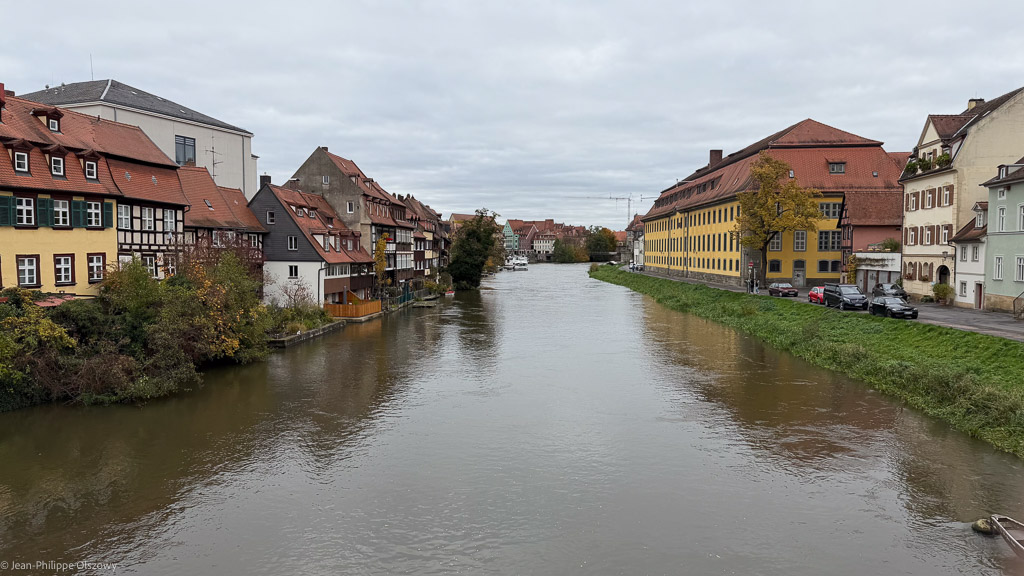
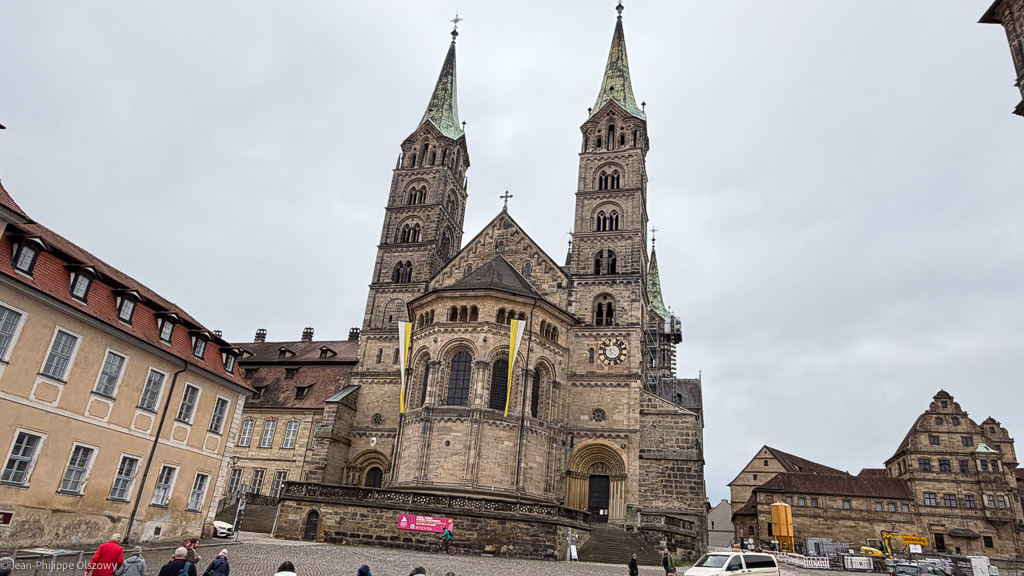
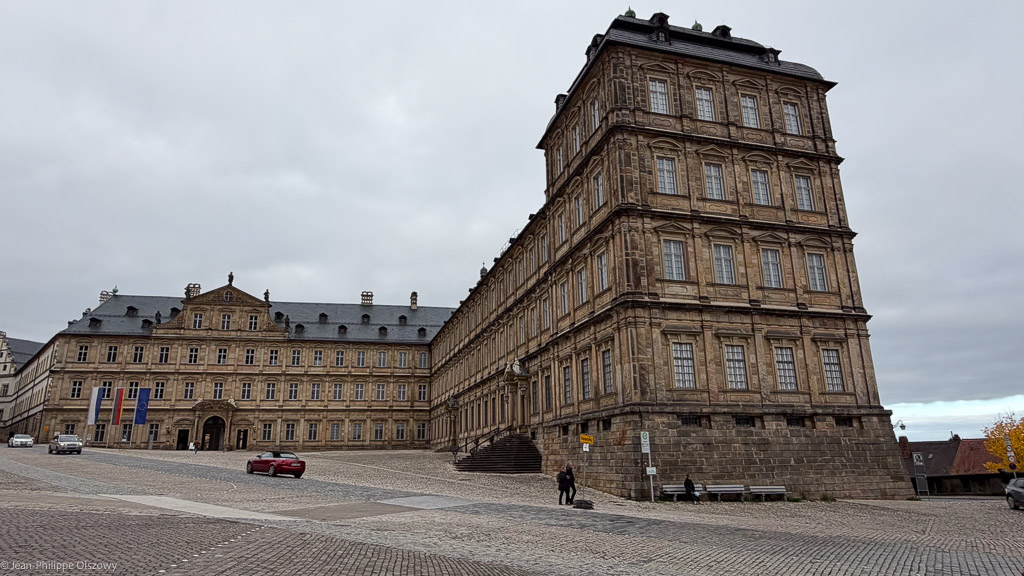
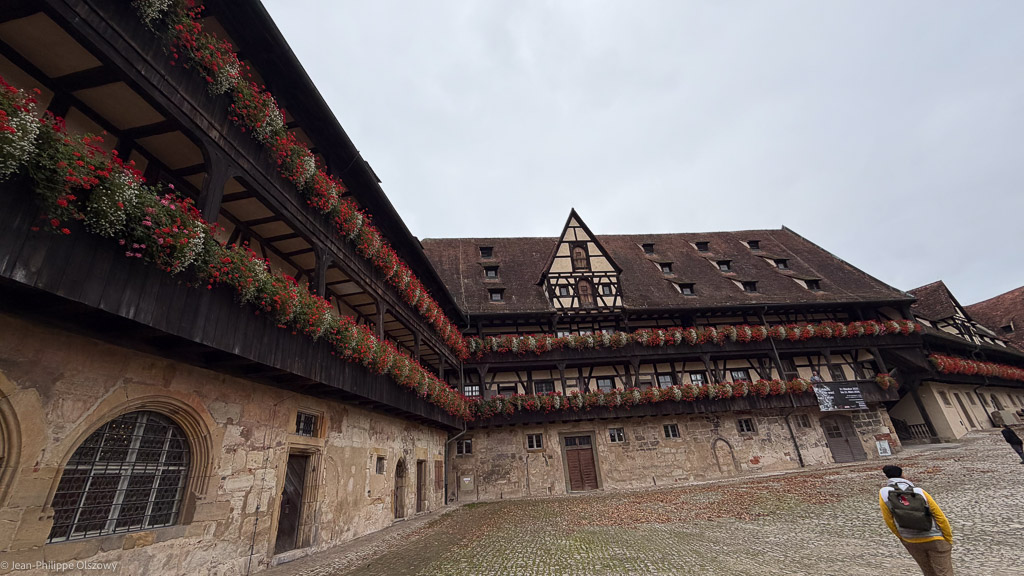
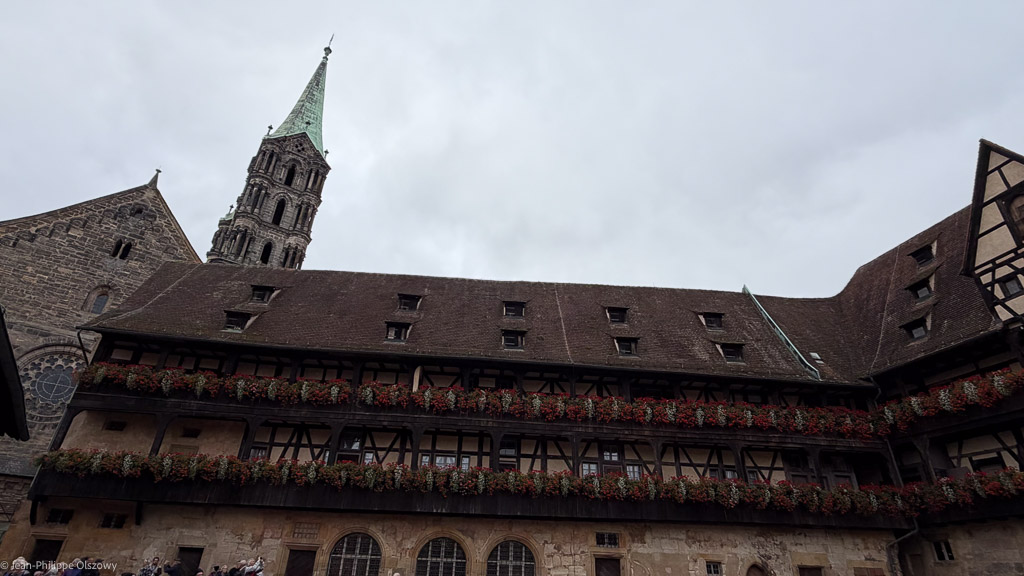
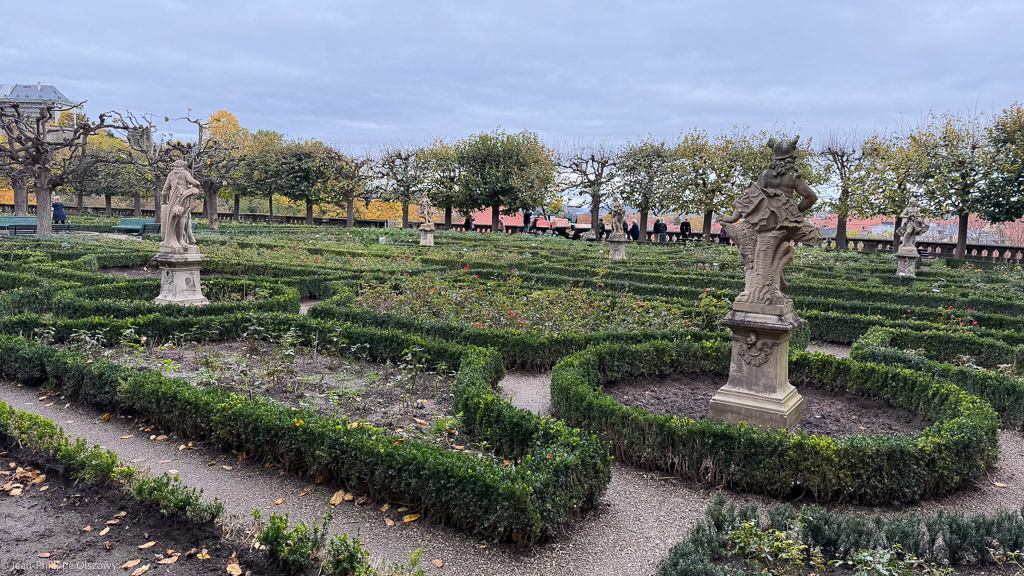
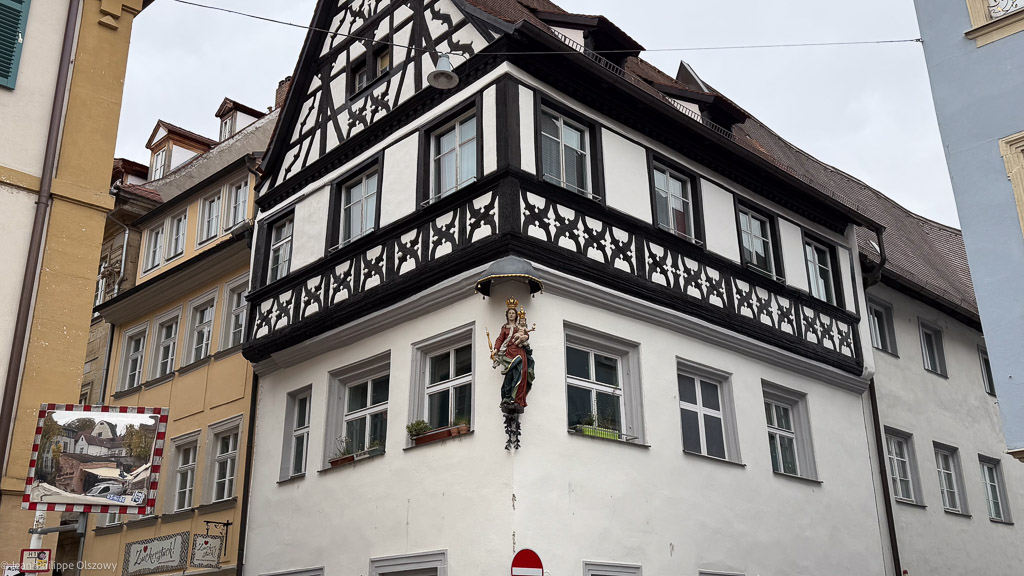
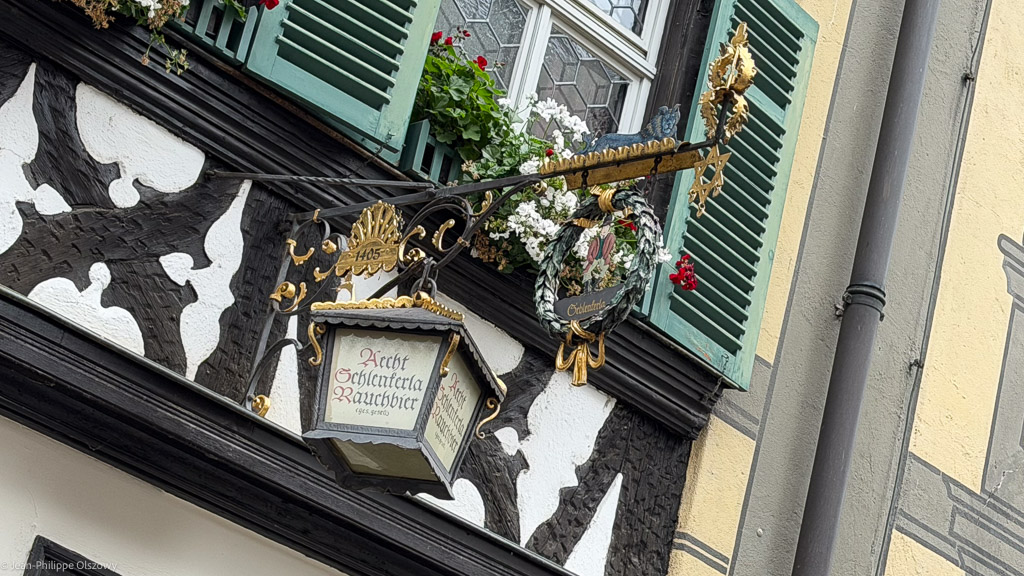
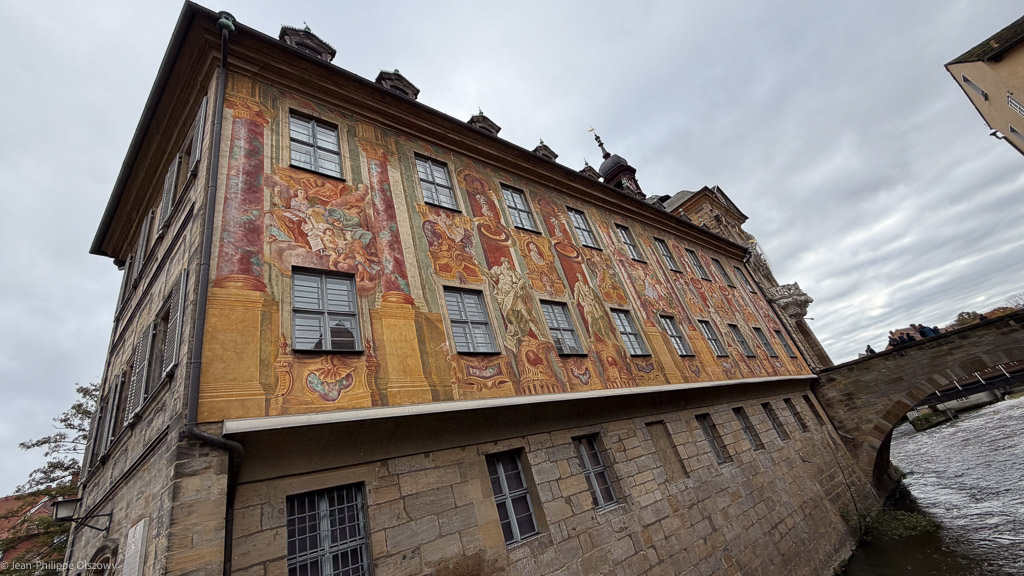
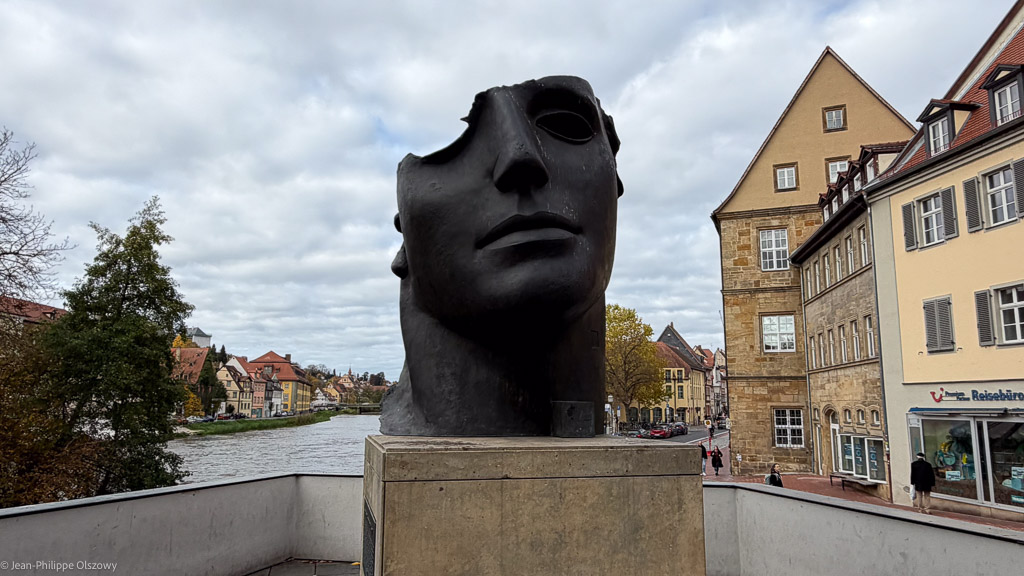
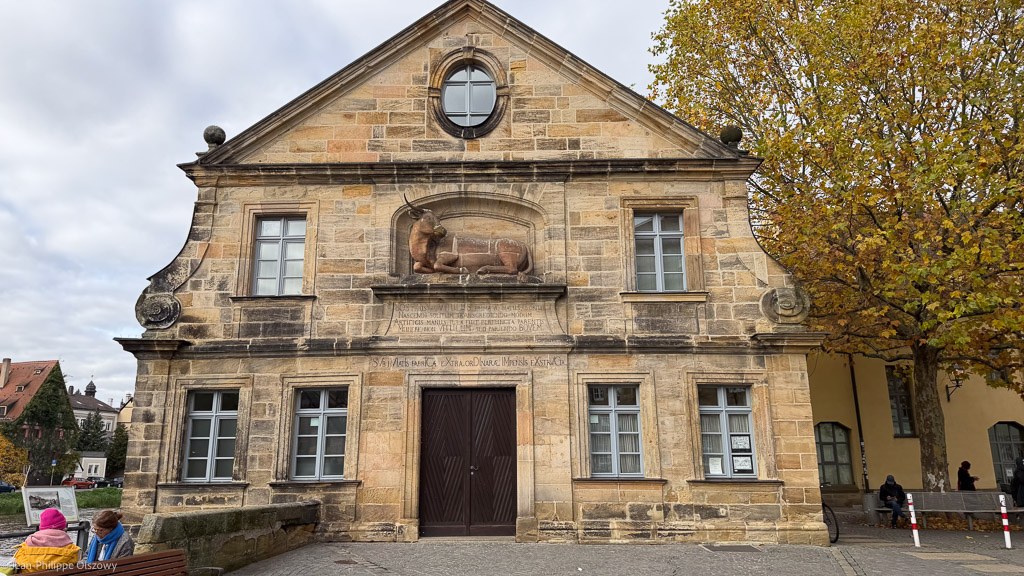
In Bamberg, one of the city’s most striking buildings is located… in the middle of the river. The Old Town Hall, the “Altes Rathaus,” is built on a small island in the Regnitz River and connected to both banks by bridges. Legend has it that the city’s bishop refused to give the inhabitants land to build their town hall. They supposedly circumvented the problem by building directly on the river. True or not, the story certainly fits this unusual building, which seems to literally float on the water.
Wurzburg (from Budapest to Amsterdam)
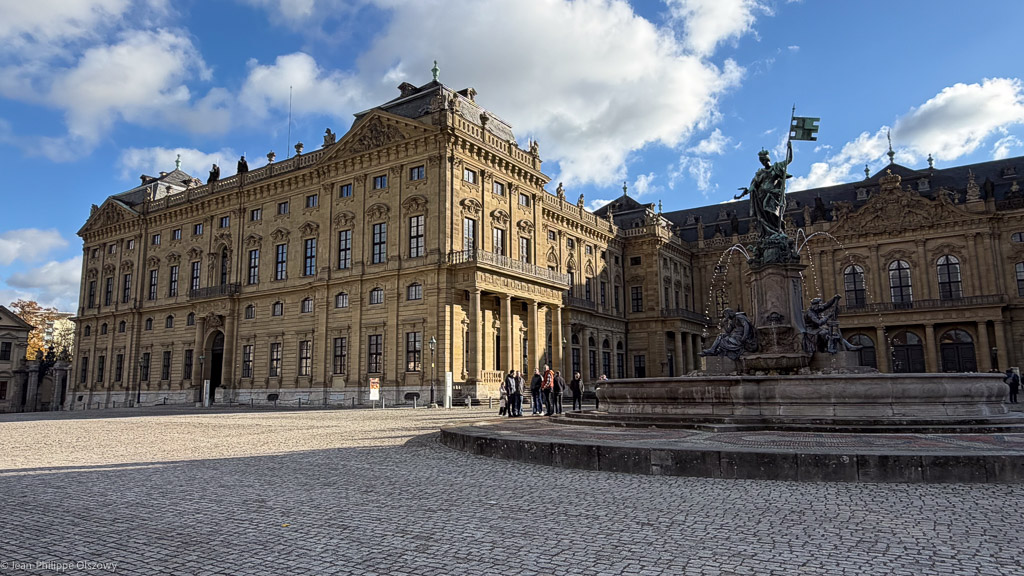
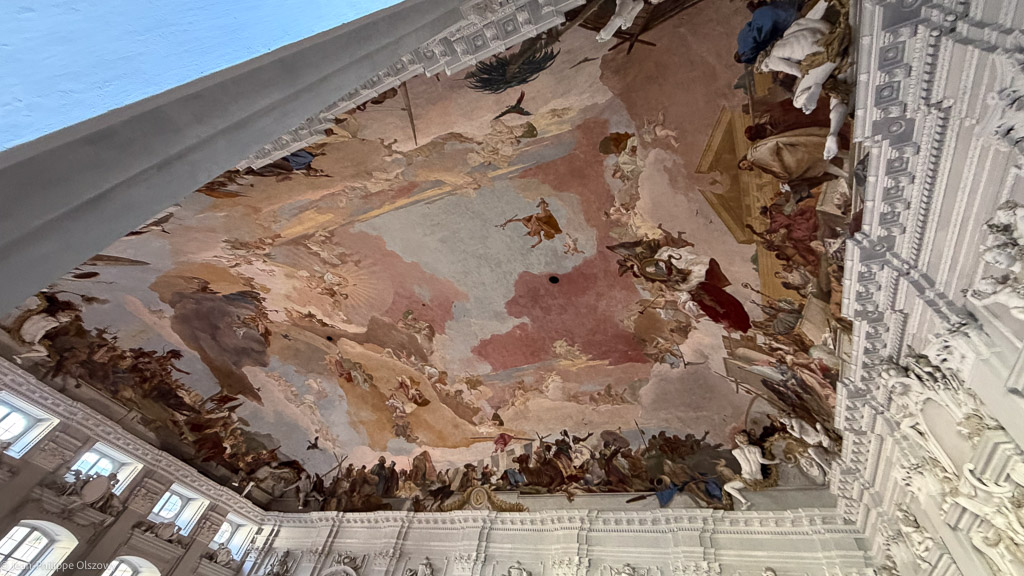
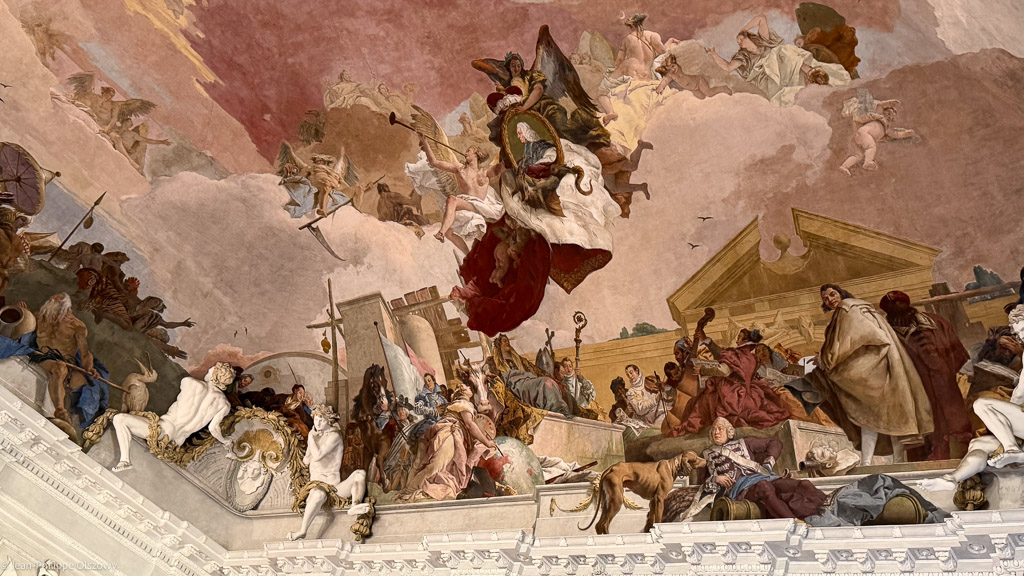
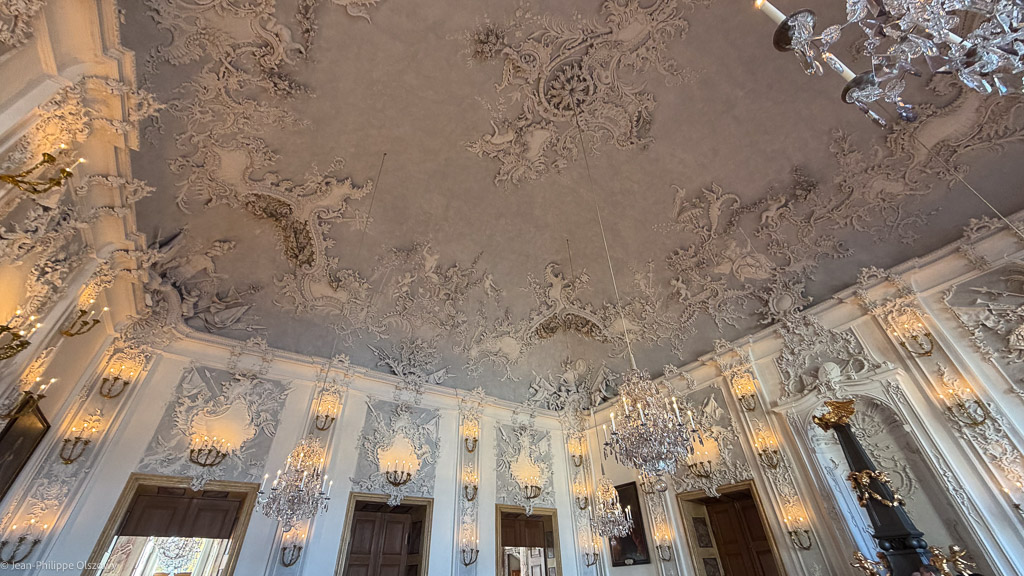
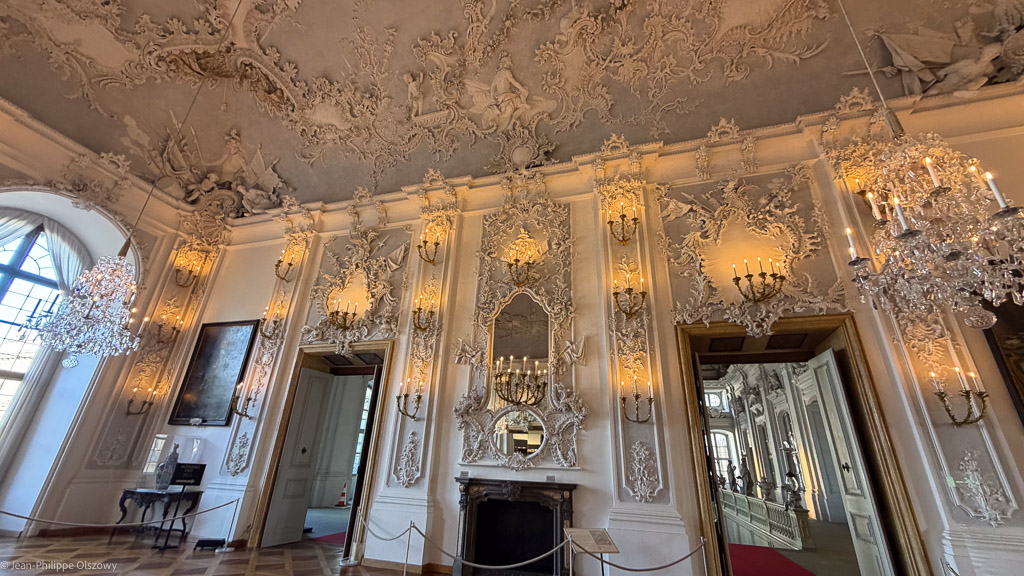
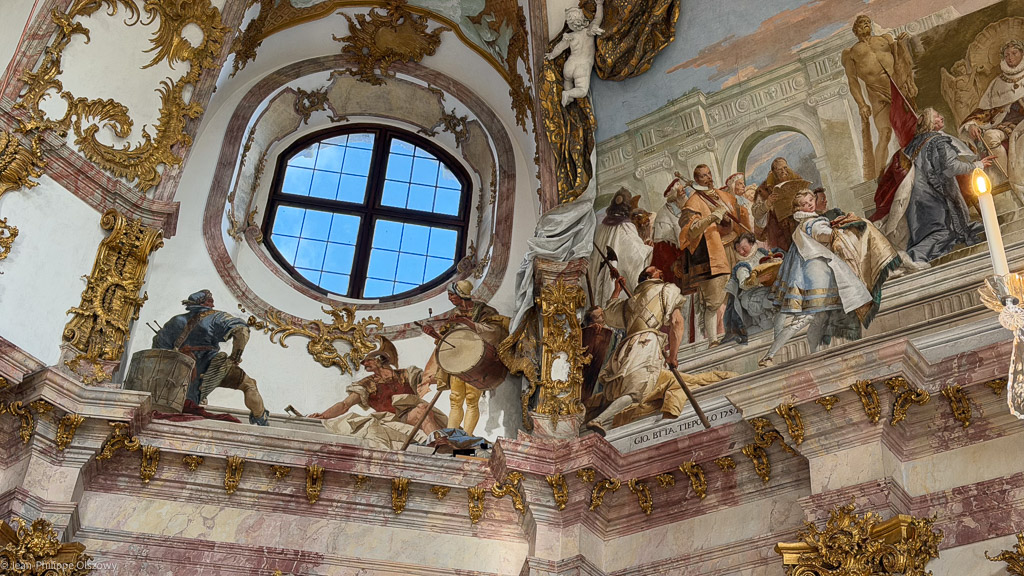
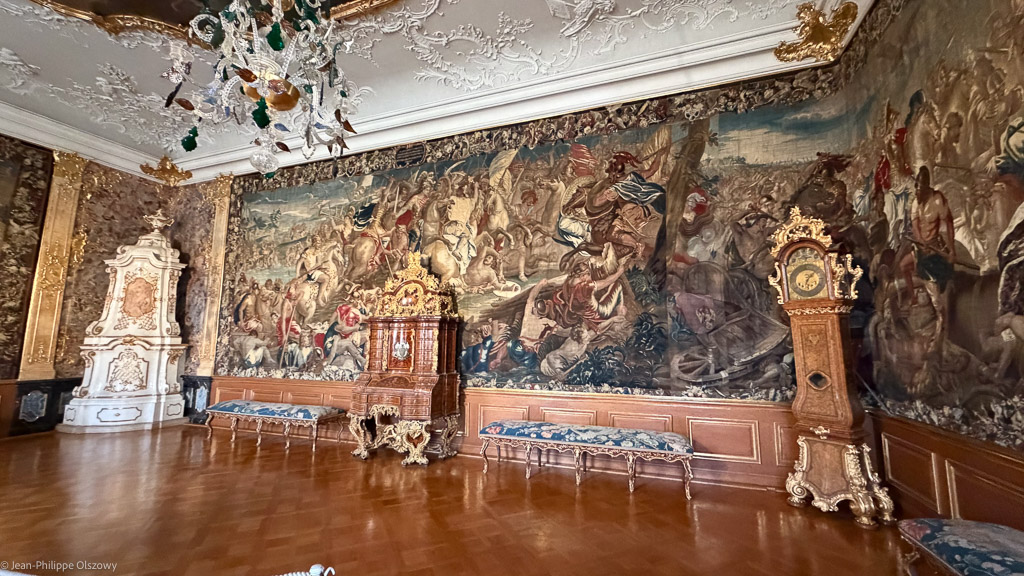
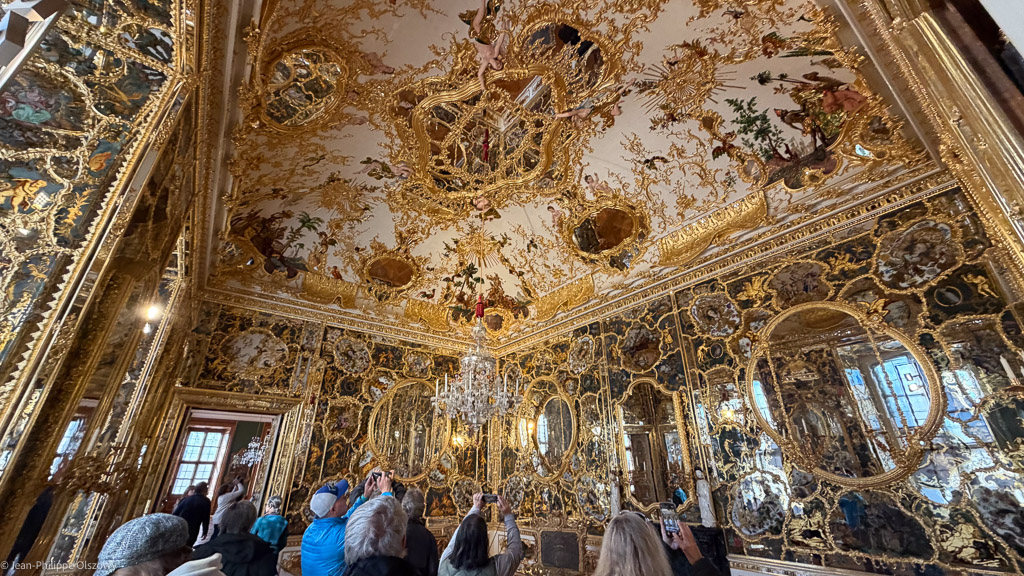
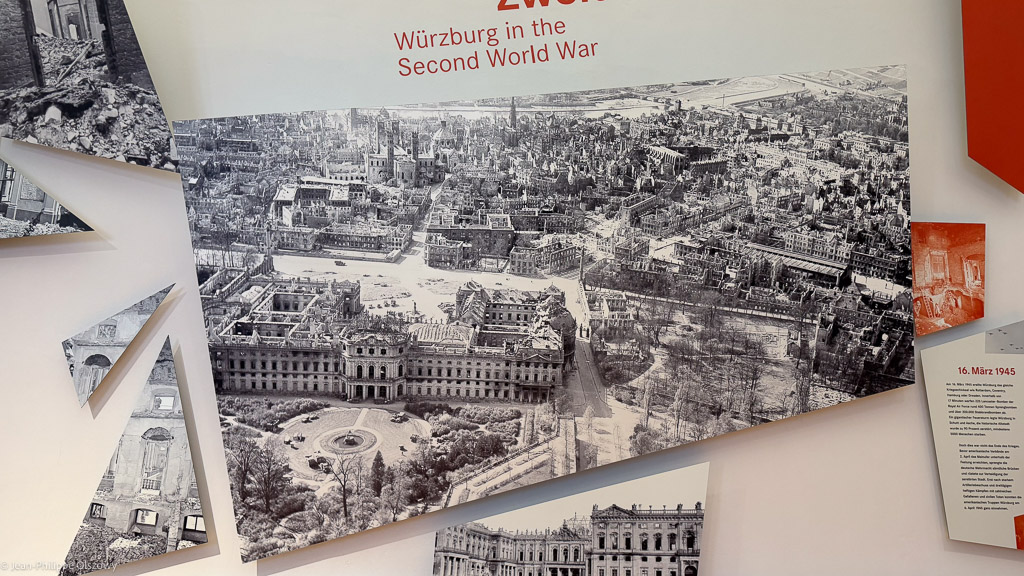
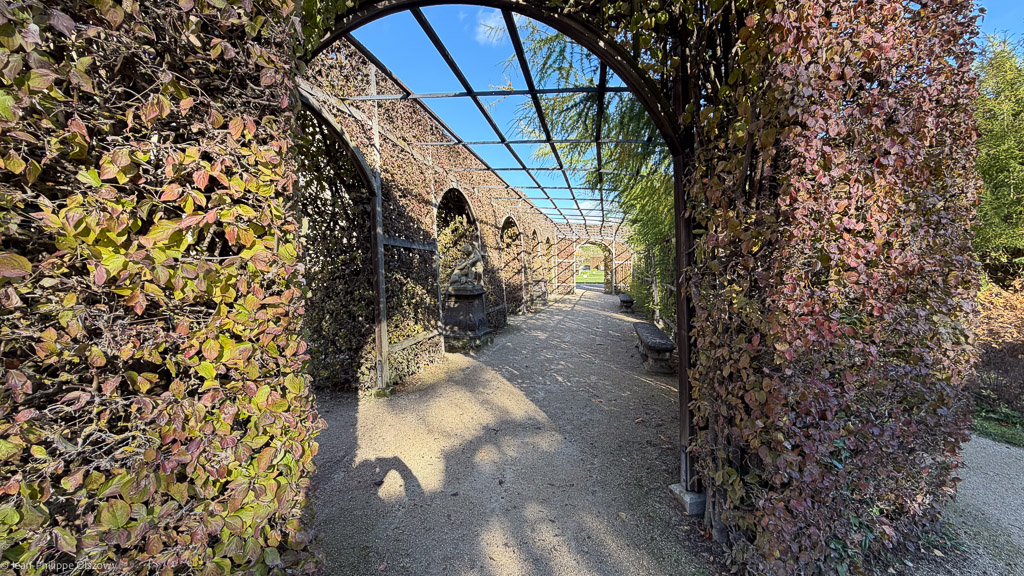
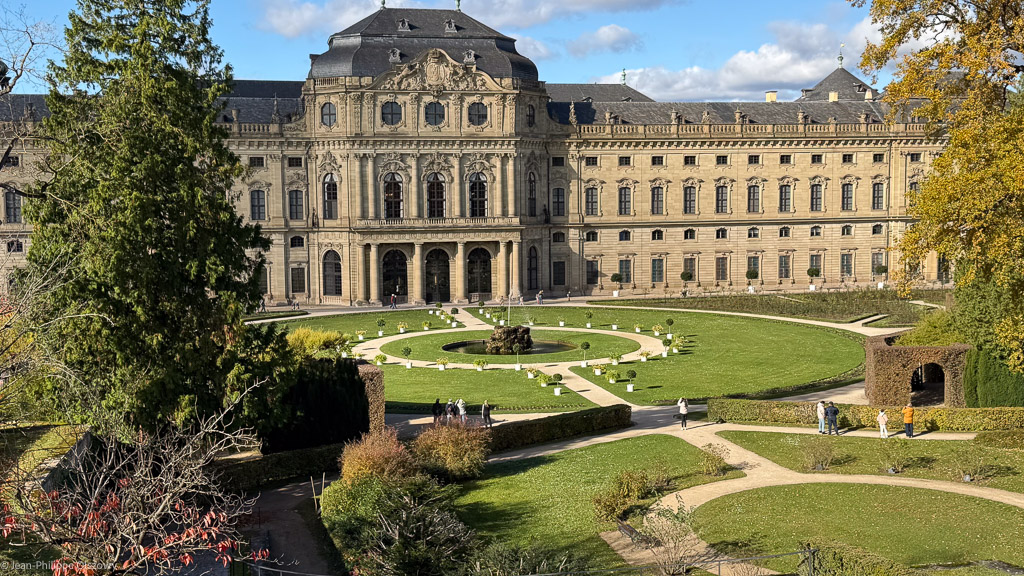
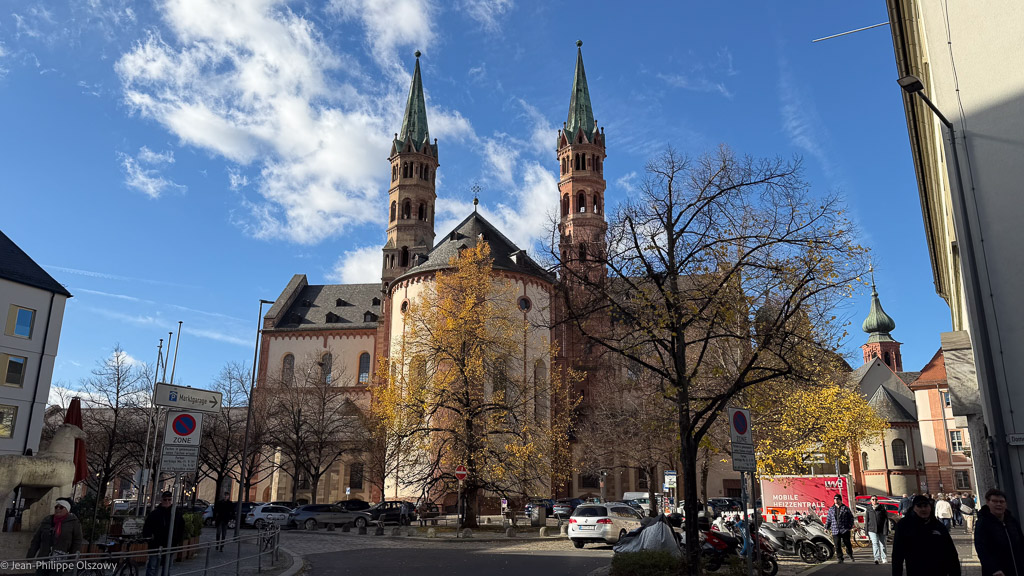
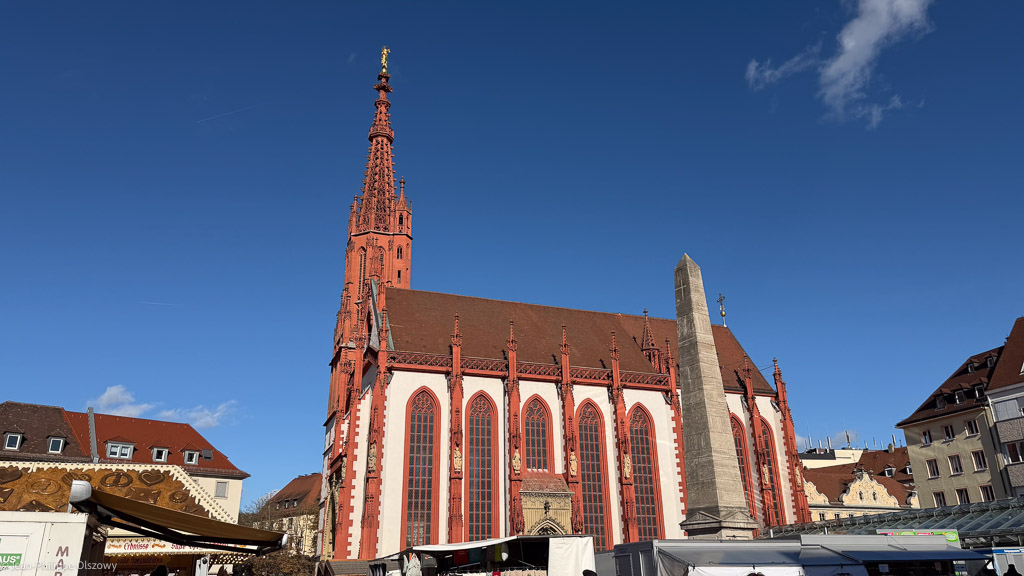
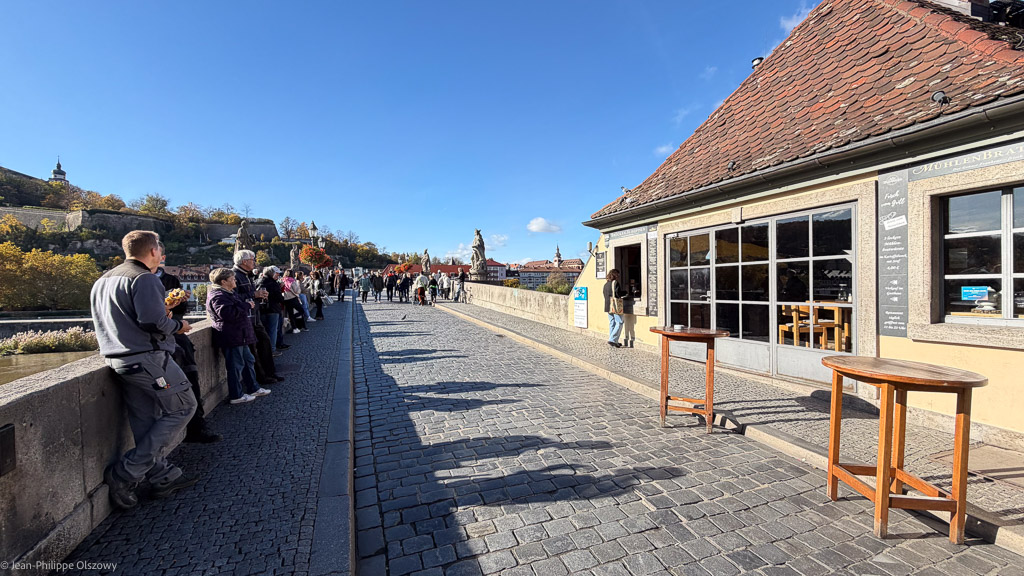
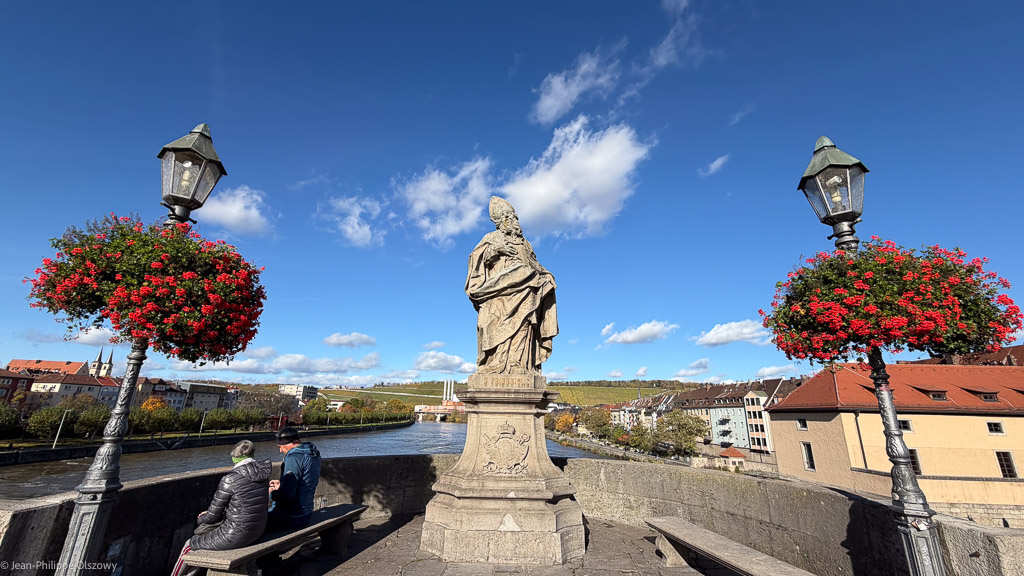
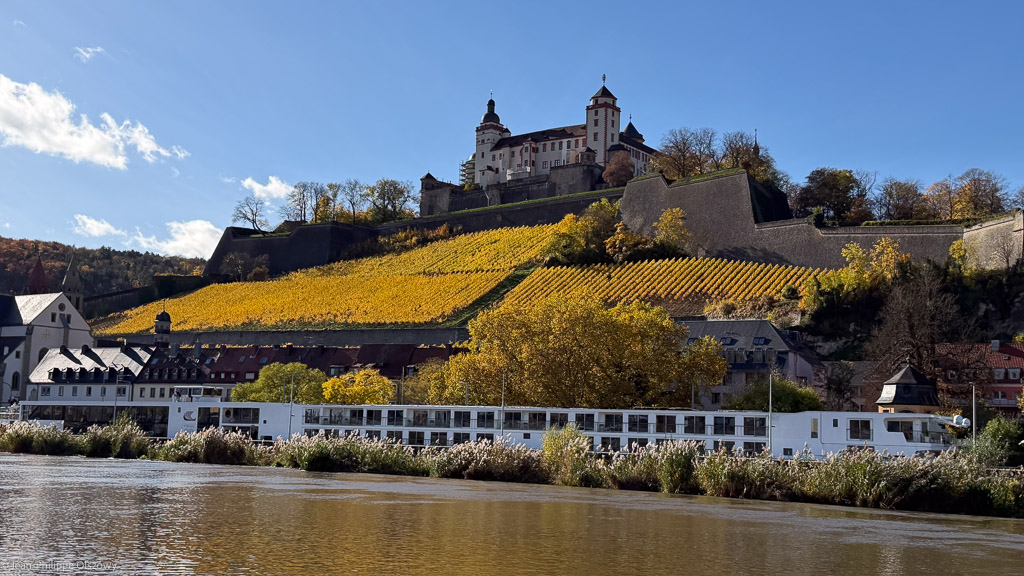
In Würzburg, the most spectacular building is undoubtedly the Residence, an immense Baroque palace built in the 18th century for the city’s prince-bishops. Behind its relatively understated facade lies one of the most impressive staircases in Europe. On the ceiling, a monumental fresco by the painter Giovanni Battista Tiepolo depicts the four continents known at the time. Created around 1750, it covers the entire vault of the staircase and remains today the largest ceiling fresco ever painted in a single piece.
Wertheim (from Budapest to Amsterdam)
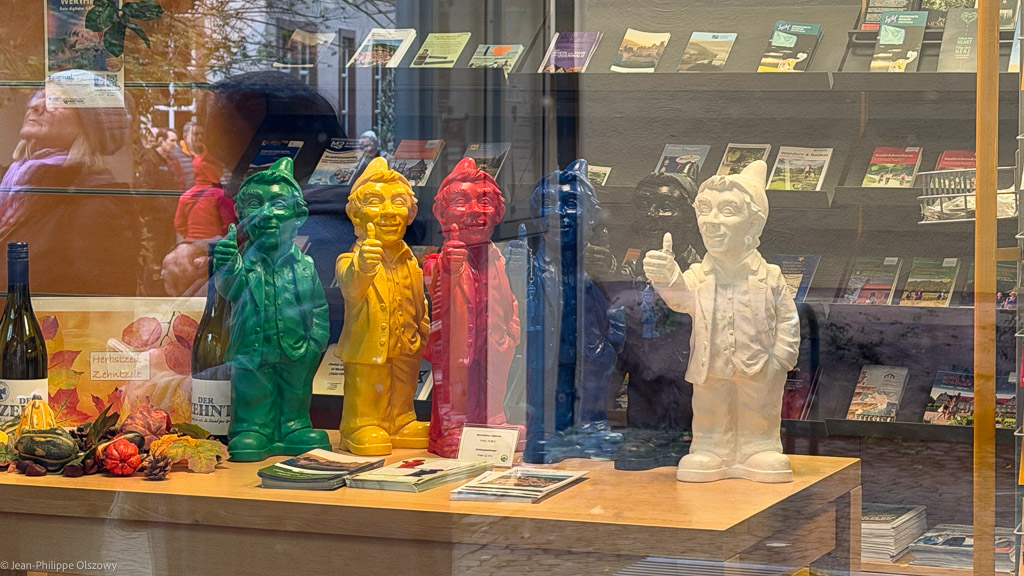
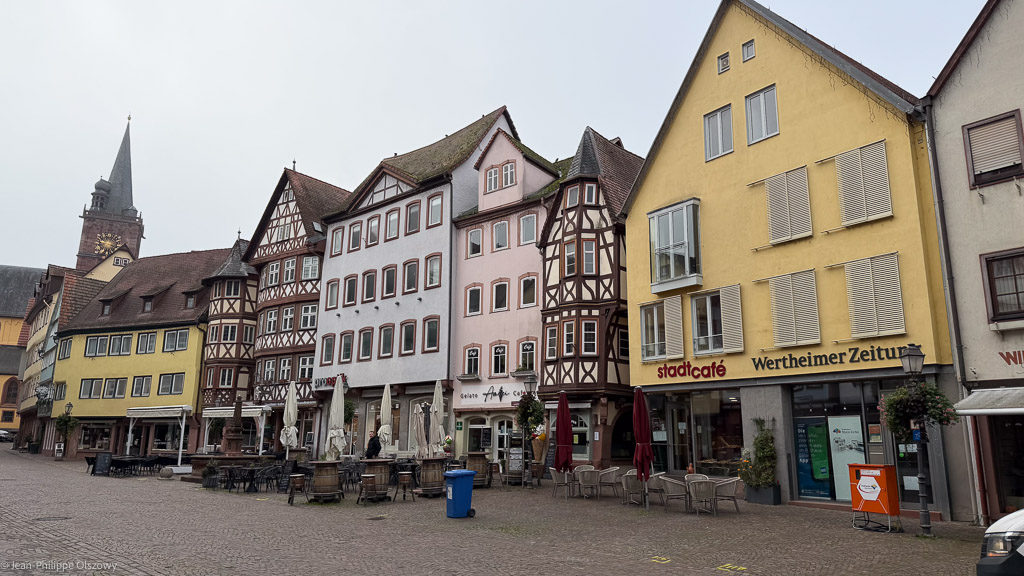
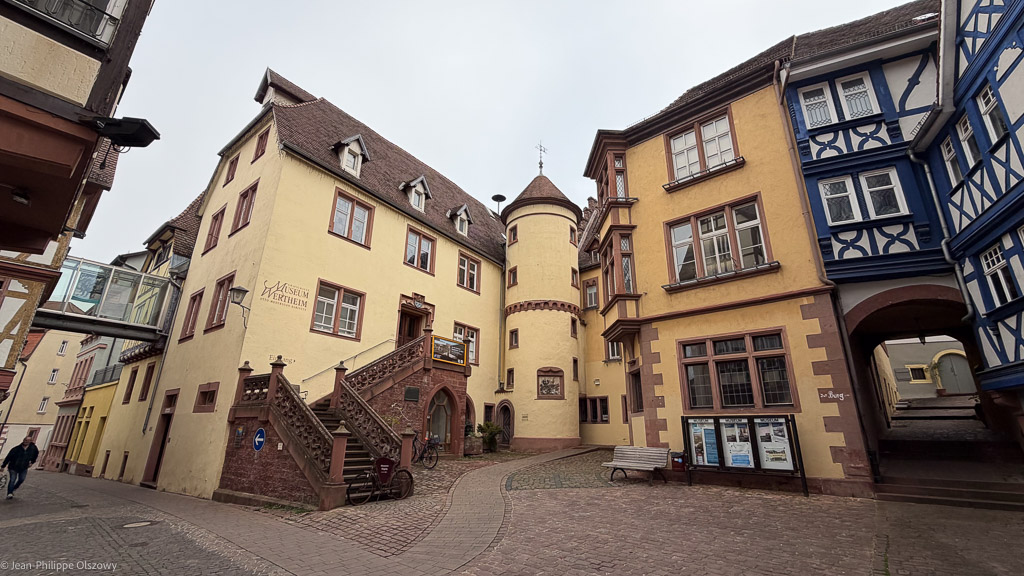
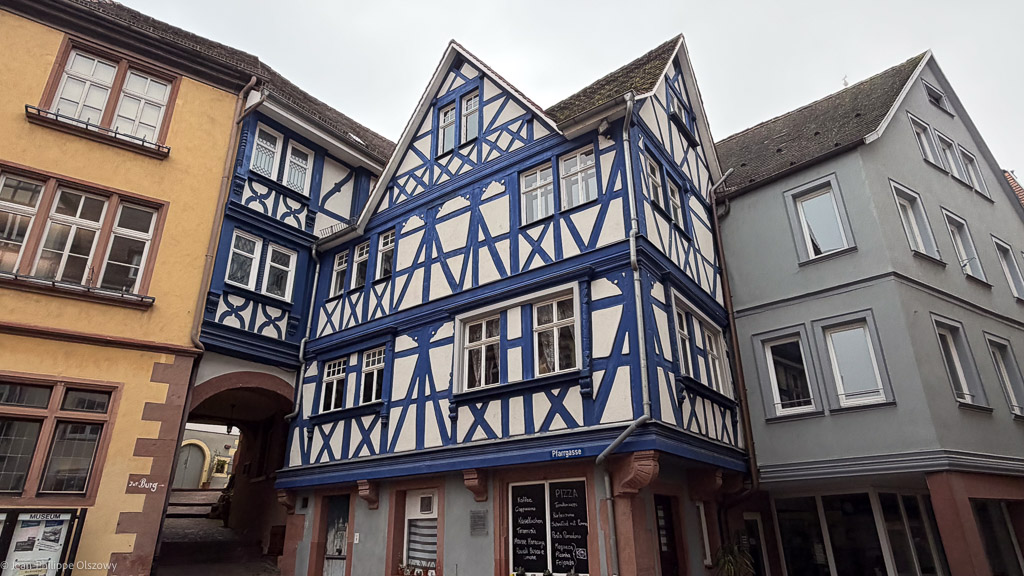
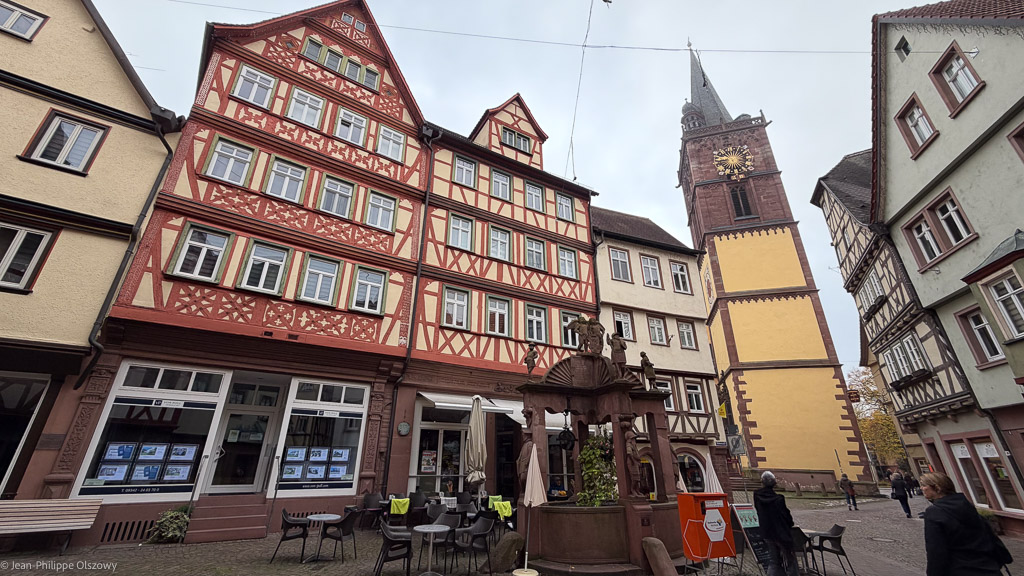
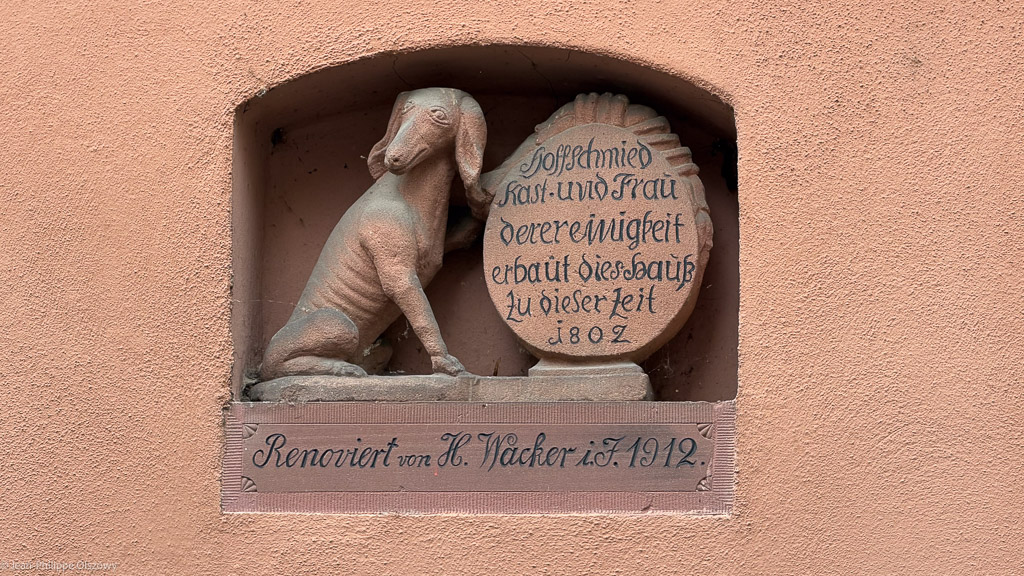
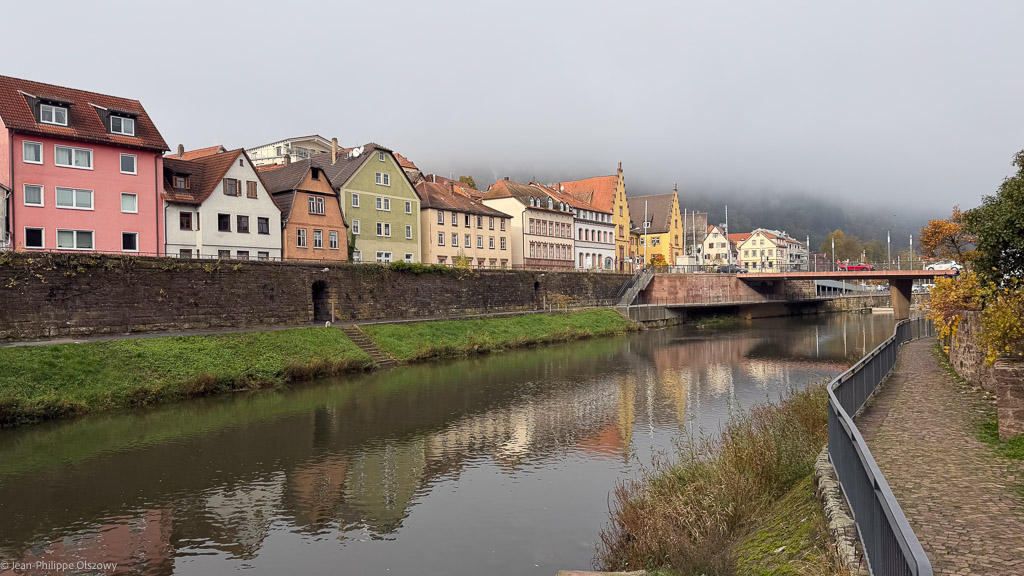
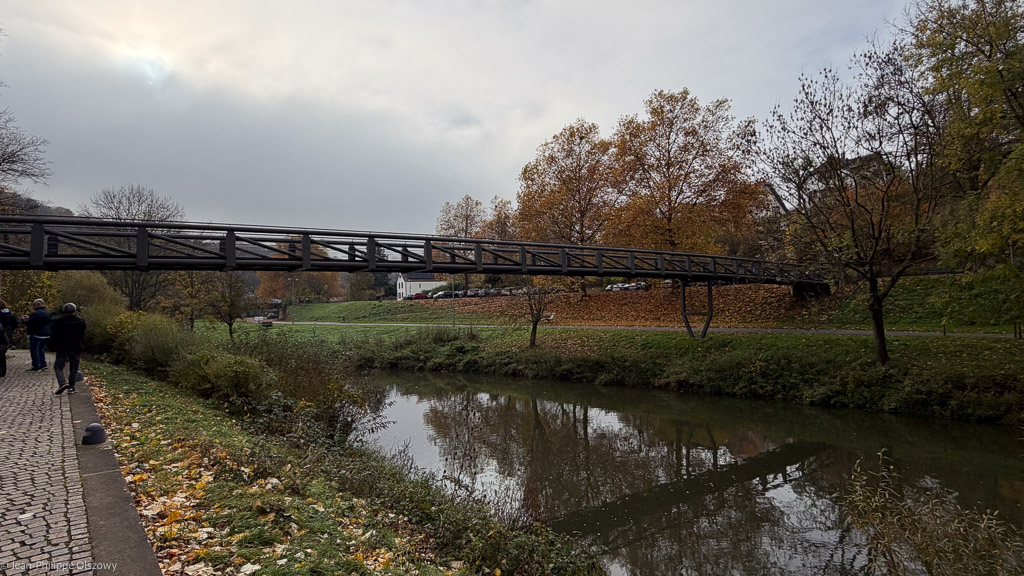
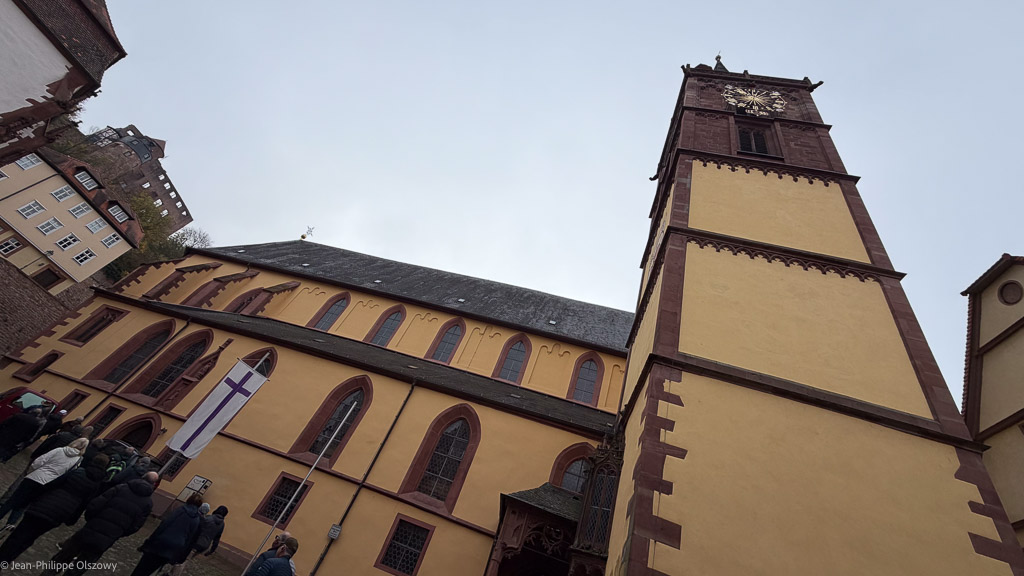
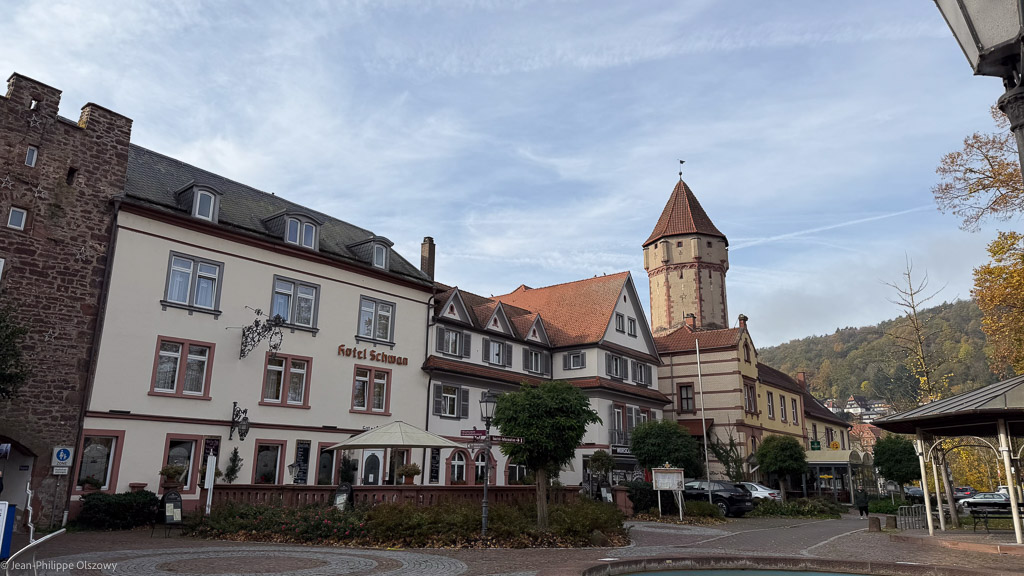
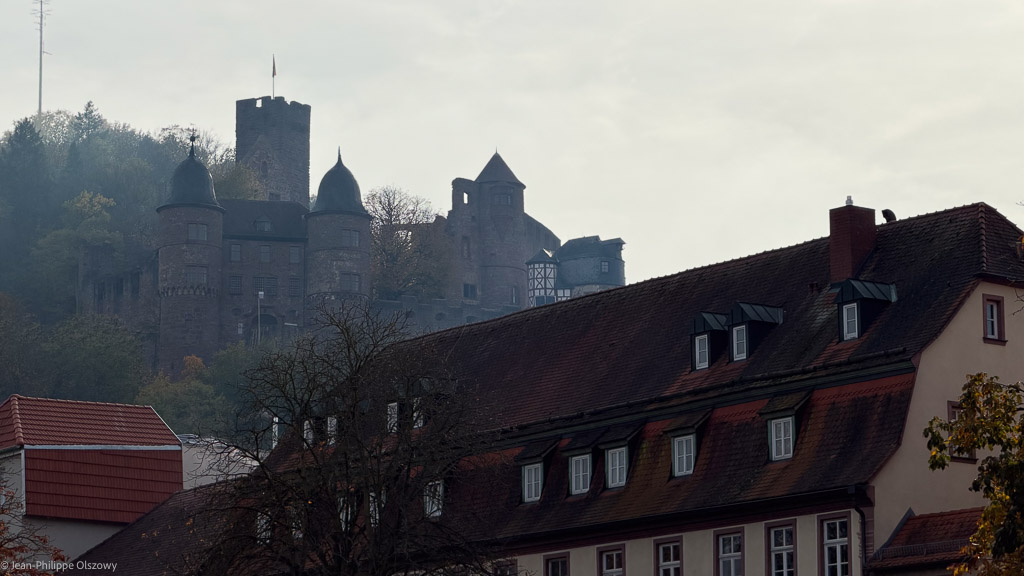
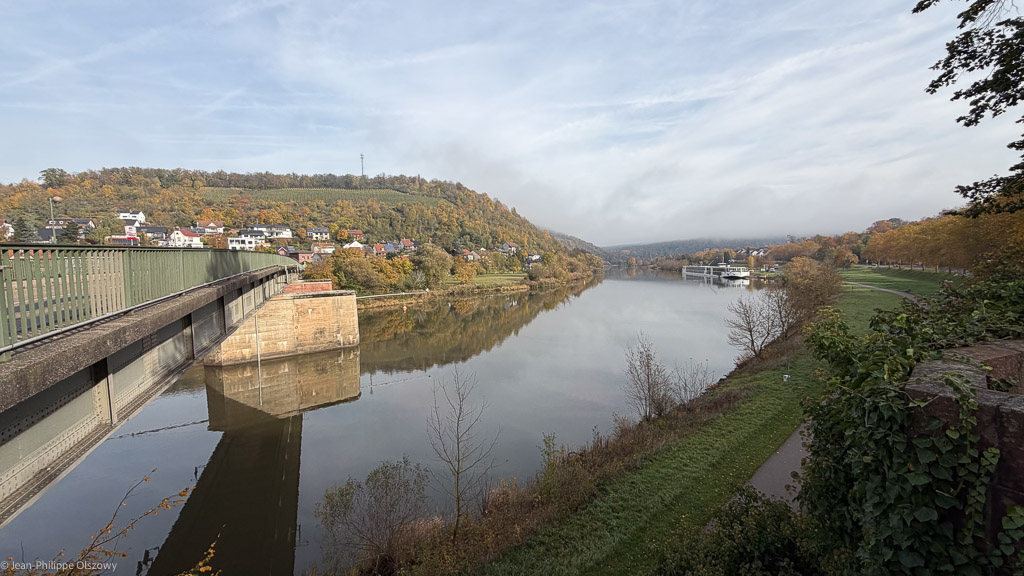
In Wertheim, the castle ruins dominate the entire town from their hilltop perch. Built in the Middle Ages, they once guarded the confluence of the Main and Tauber rivers, an important passage for river trade. Today, the castle is merely a stone silhouette rising above the half-timbered roofs of the old town. But this vantage point still offers one of the most beautiful views of the rivers and the surrounding valley.
Kinderdijk (Budapest to Amsterdam)
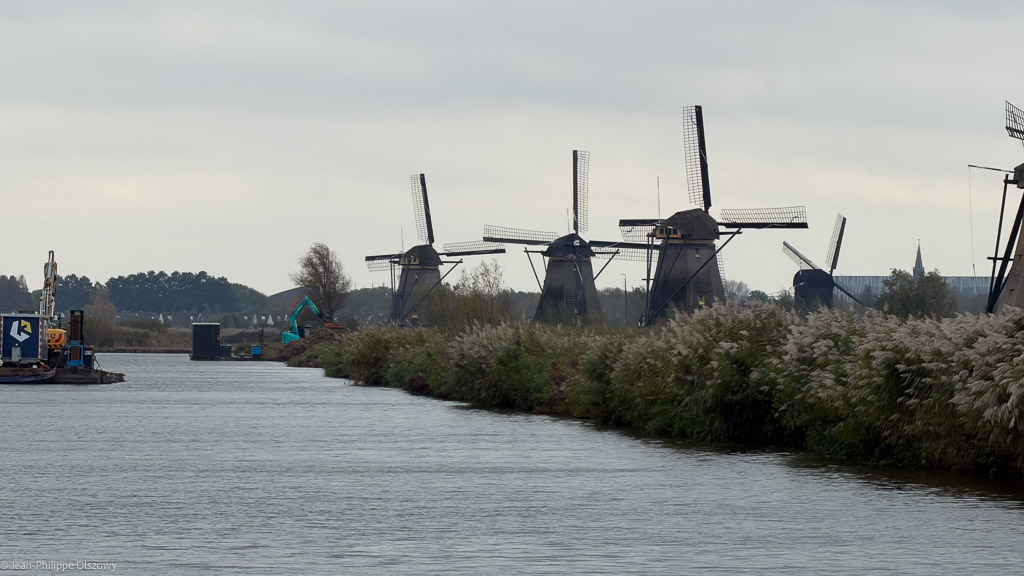
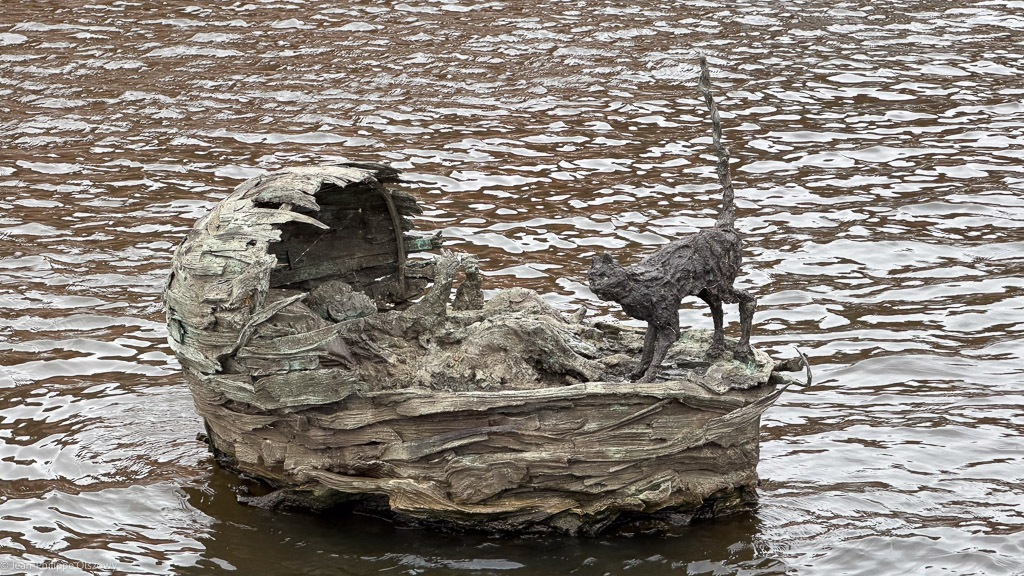
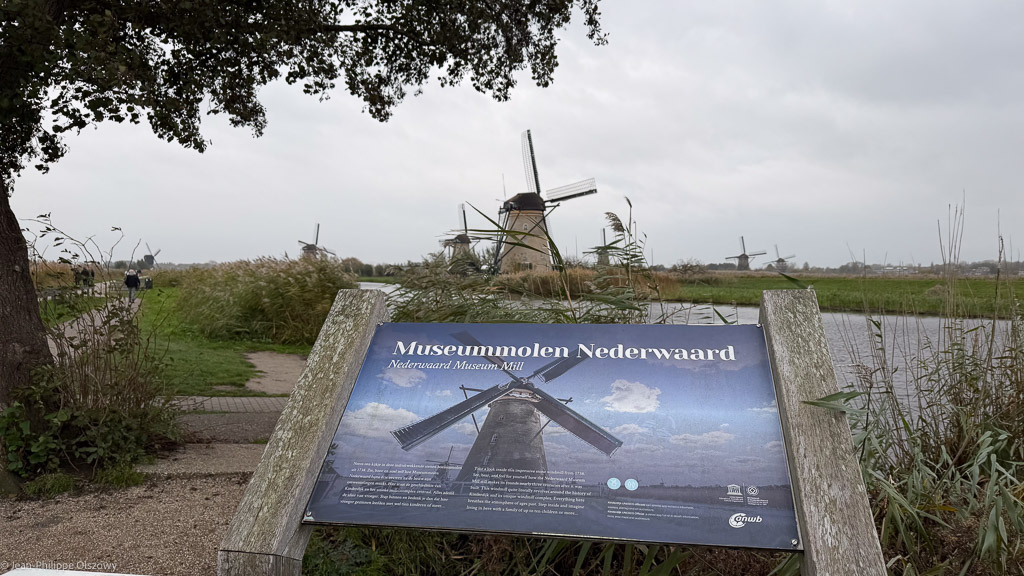
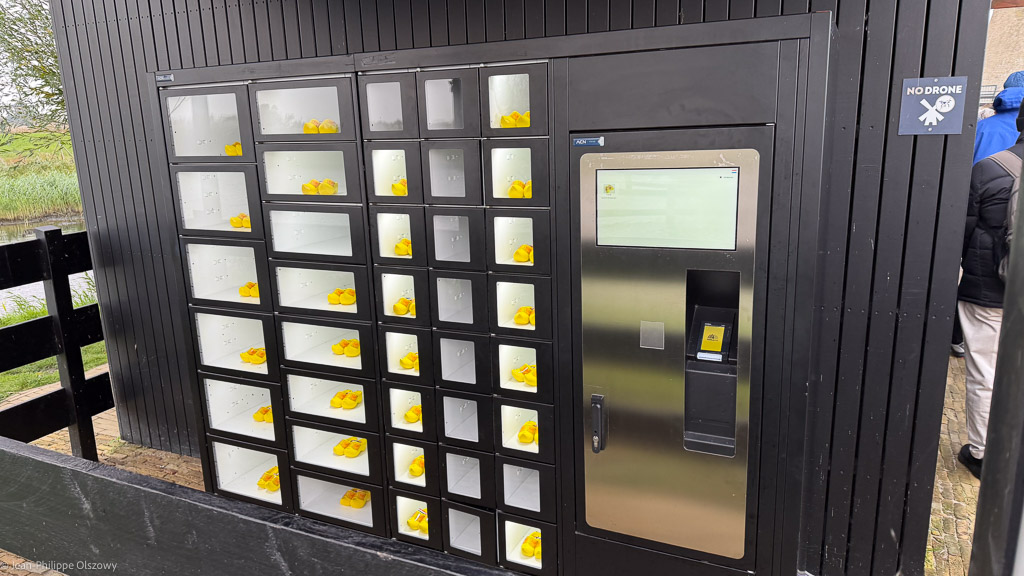
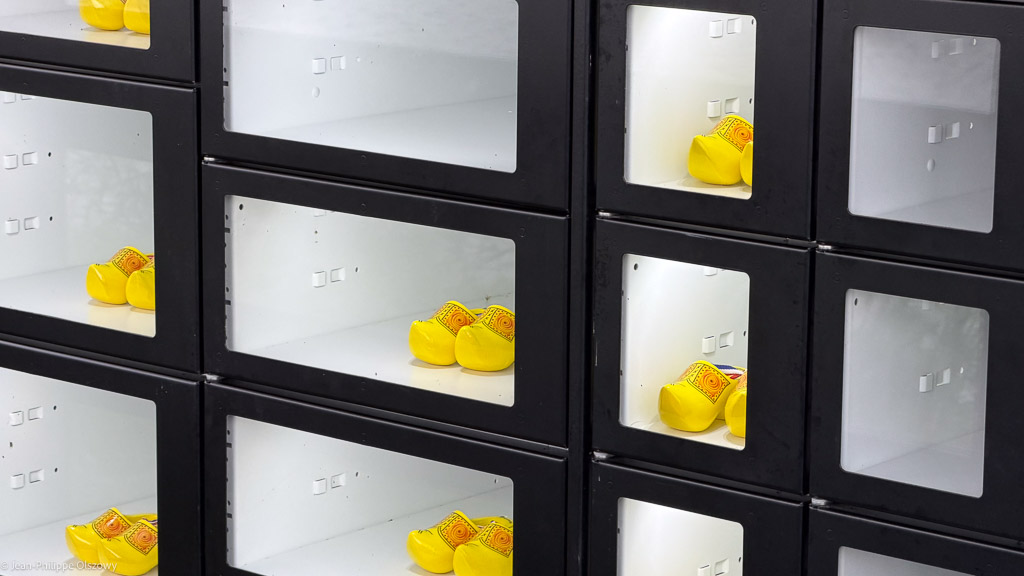
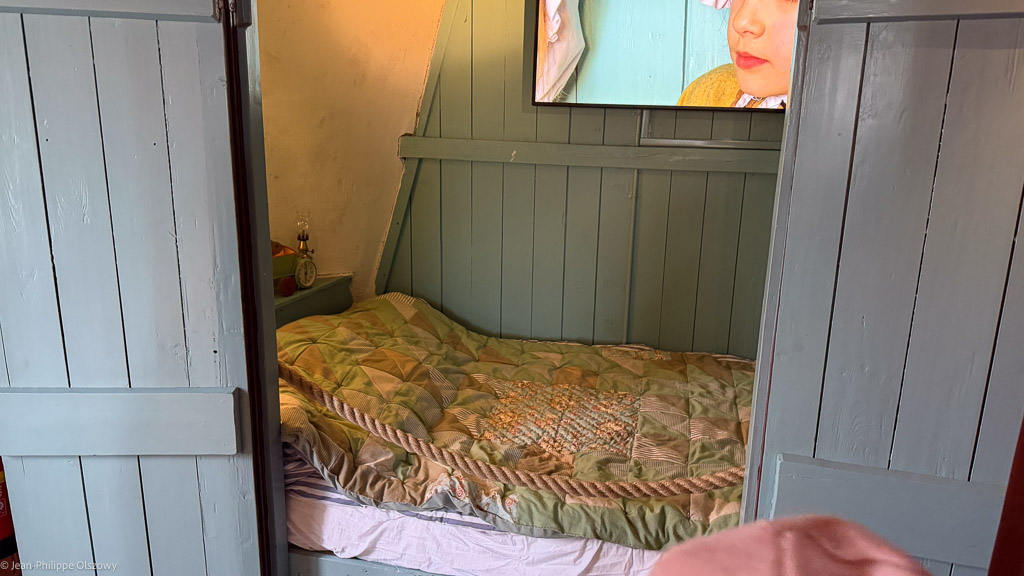
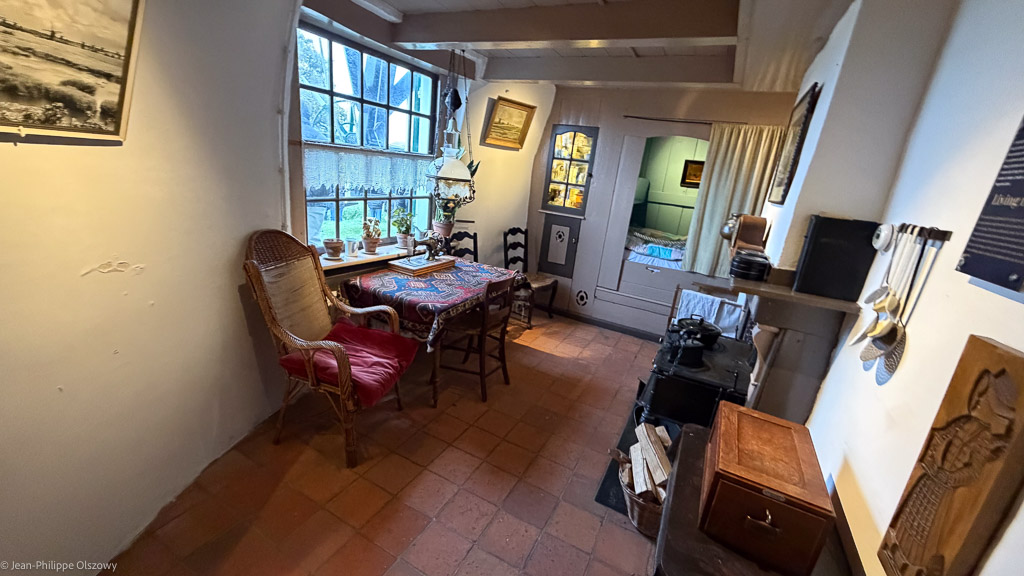
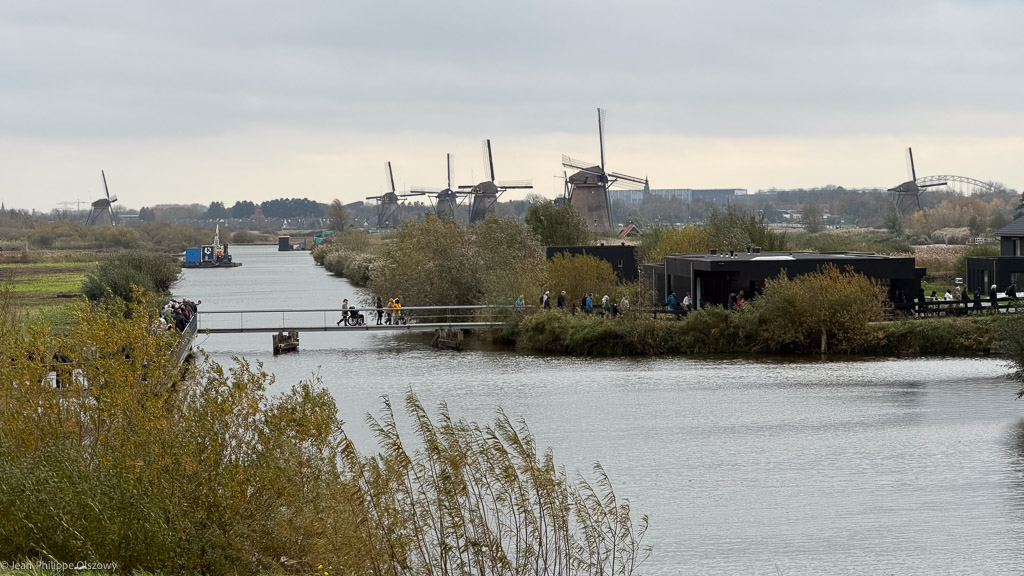
In Kinderdijk, the windmills lining the canals form one of the most iconic landscapes in the Netherlands. Built in the 18th century, they were used to pump water to drain the polders and protect the surrounding land from flooding. The village’s name literally means “the child’s dike.” According to an old legend, after a great flood, a cradle was seen floating on the water near the dike… with a baby alive inside, saved because a cat was hopping from one side to the other to keep the cradle balanced.
Conclusion
For someone accustomed to ocean cruises, riverboats, although imposing in relation to their cruising area, are much more cramped. Life on board is inevitably much more crowded than on board their larger, or even very large, cousins.
But Viking does offer a bit more freedom when it comes to meals, compared to my first river cruise experience aboard the CroisiEurope Renoir. Seating is unassigned, and the mealtimes, while slightly more restricted than on ocean cruises, are still quite flexible. Evenings, however, are mainly structured around the presentation of the next day’s port of call before dinner: everyone gathers for a drink to listen to the Cruise Director, who provides all the necessary details to ensure the best possible day.
These journeys on the Rhine and the Danube retrace entire periods of history through the cities visited. It’s like a floating history and geography lesson! All in comfortable surroundings. Now all that’s left is to choose other rivers to explore.



Be First to Comment