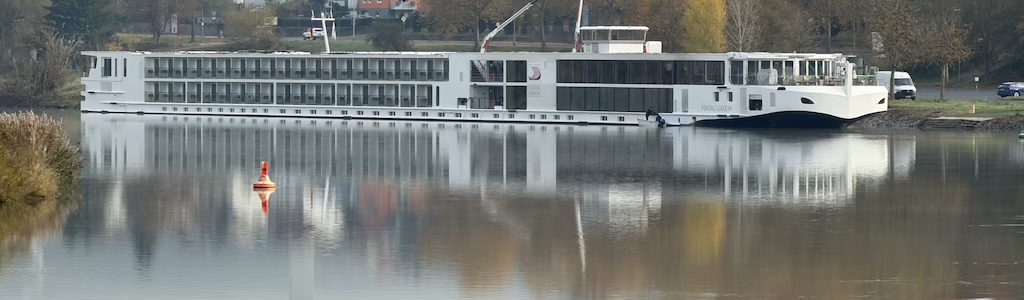
Ports of call, from Basel to Amsterdam and from Budapest to Amsterdam
The route of these two cruises is packed with historical sites, primarily related to the Second World War. Several popes are also prominently featured in various locations. Religion has had a significant influence in the region, rarely for the benefit of the people, of course.
Throughout the two-week journey between Budapest and Amsterdam, the ship passed through 77 locks, day and night. A unique activity on this type of cruise.
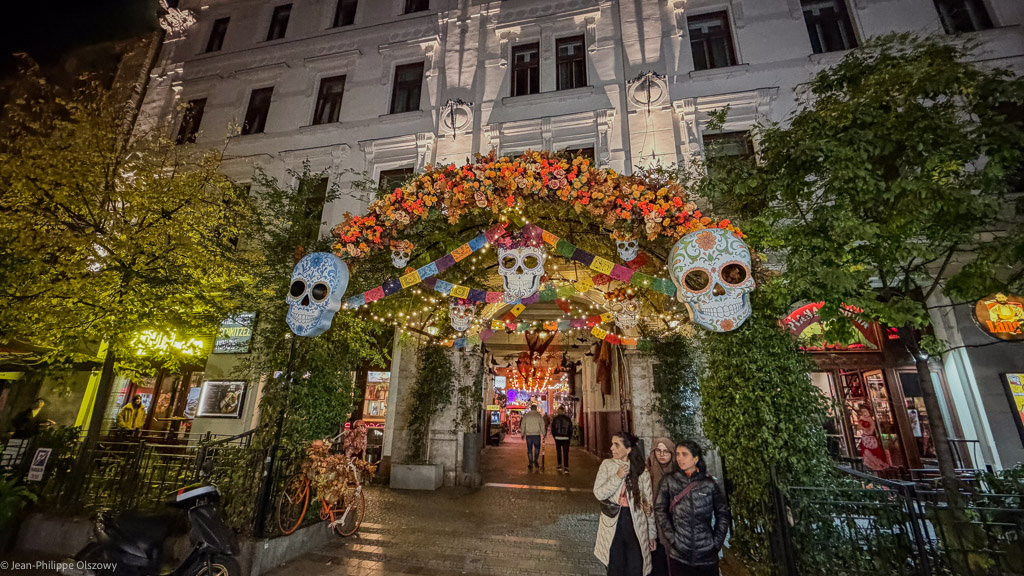
The departure city for this second cruise, Budapest, is fascinating and magnificent. The historic buildings are very well maintained and beautifully presented. At night, the city is even more stunning.
Following a certain travel habit, I was able to try two Michelin-starred restaurants the day before: Rumour (1 star) and Borkonyha Winekitchen (1 star). Two very good experiences.
Here is an overview of the most memorable stopovers, whether departing from Basel or Budapest, with some anecdotes that our various guides were able to tell us…
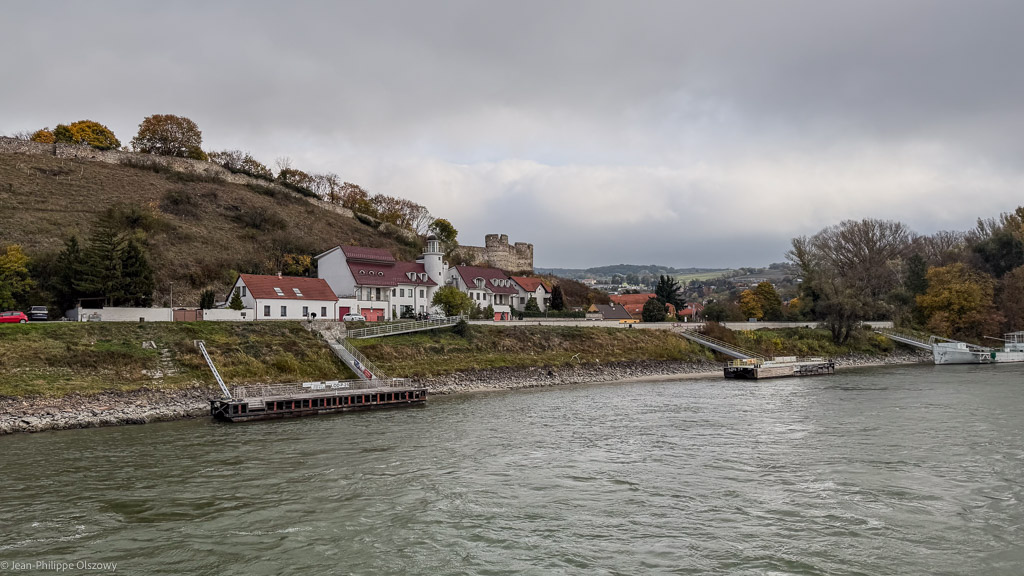
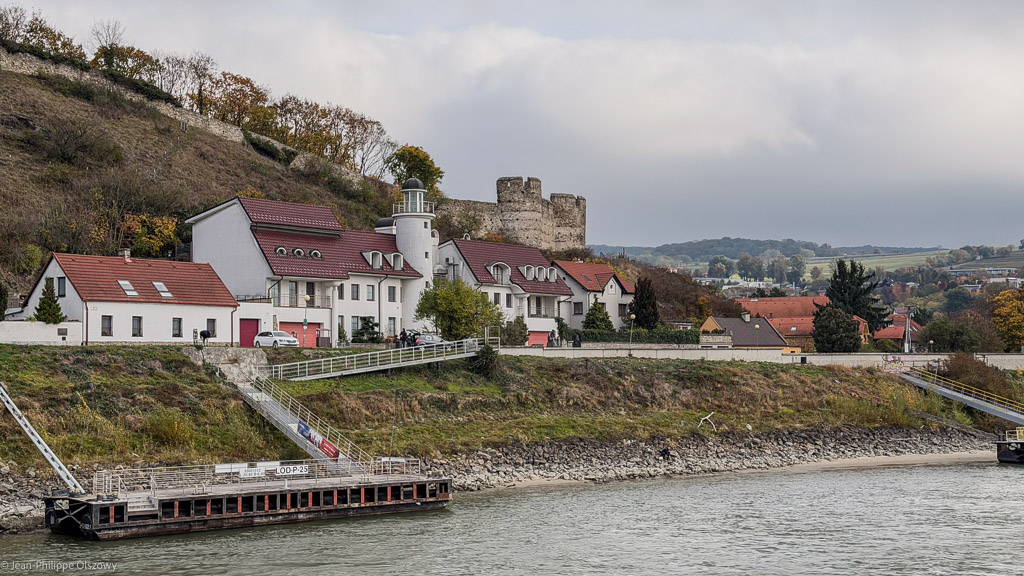
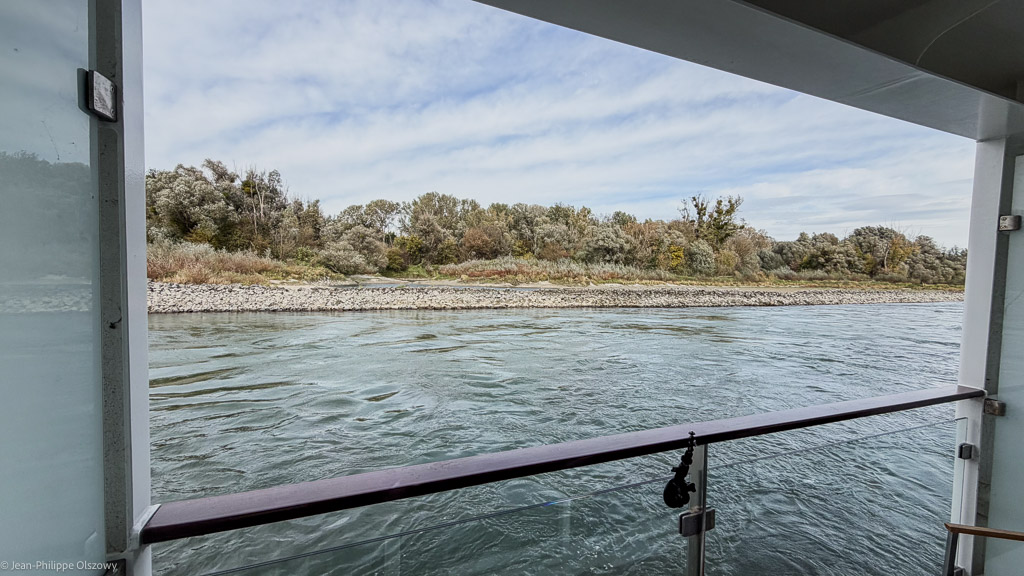
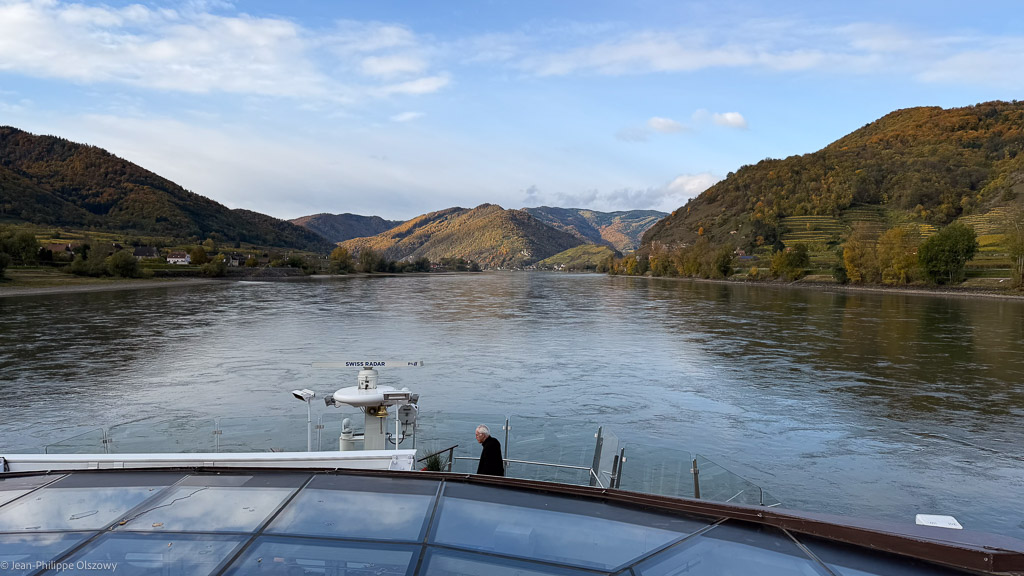
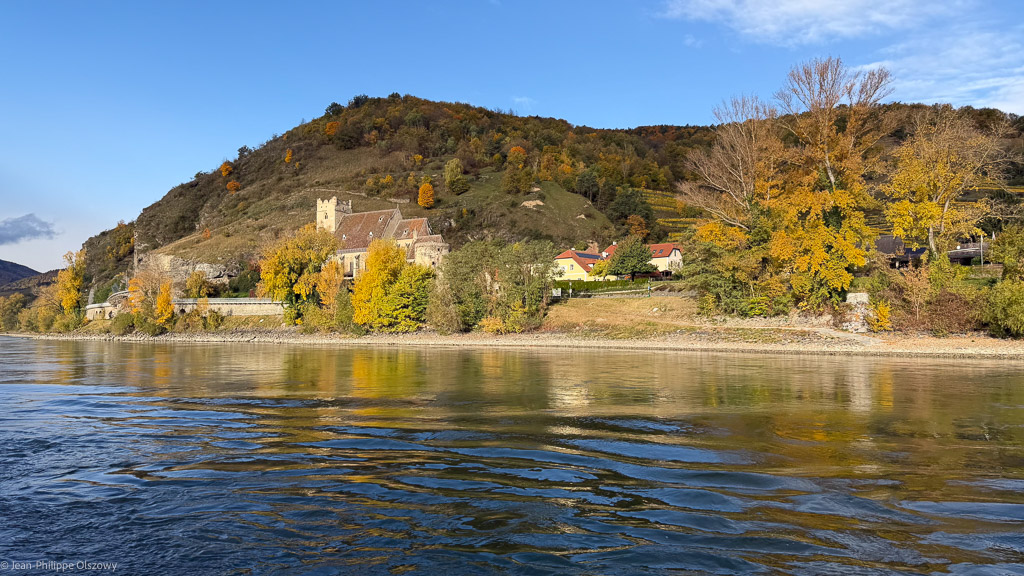
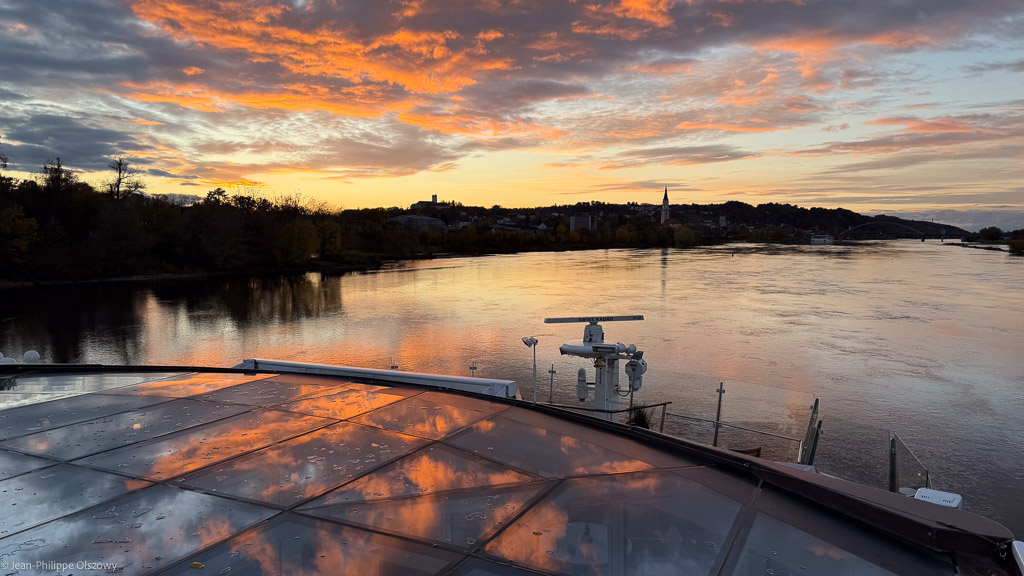
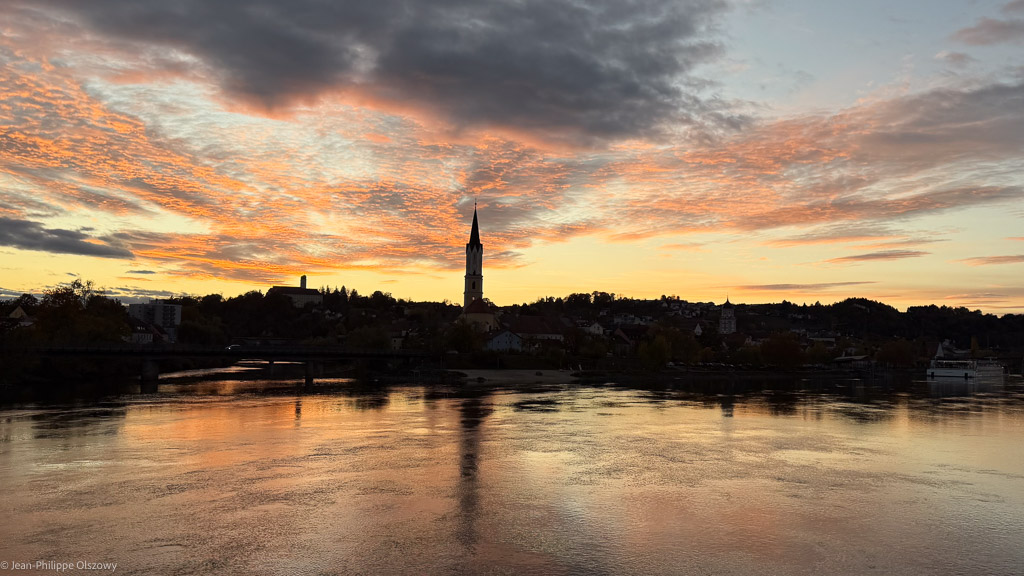
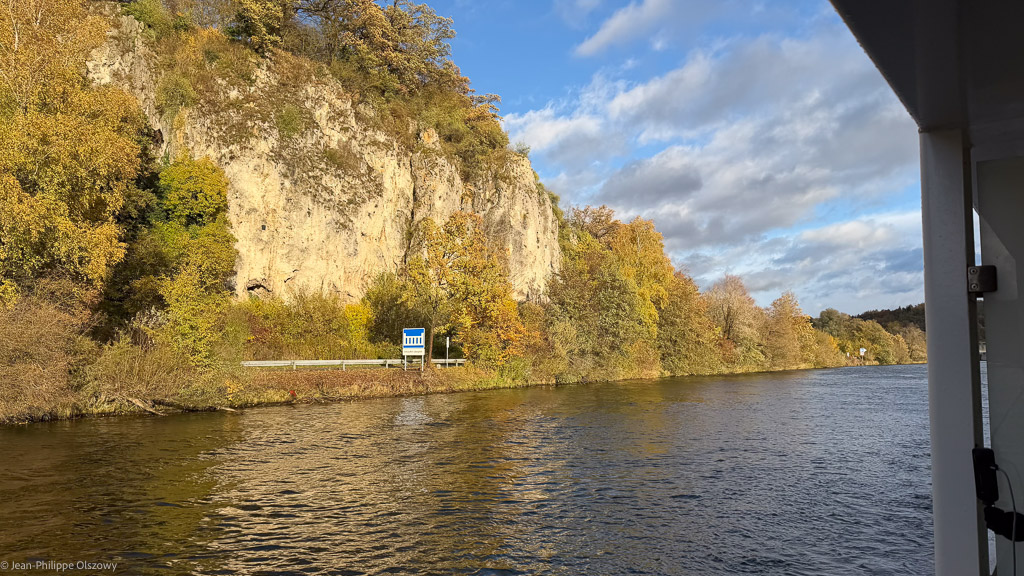
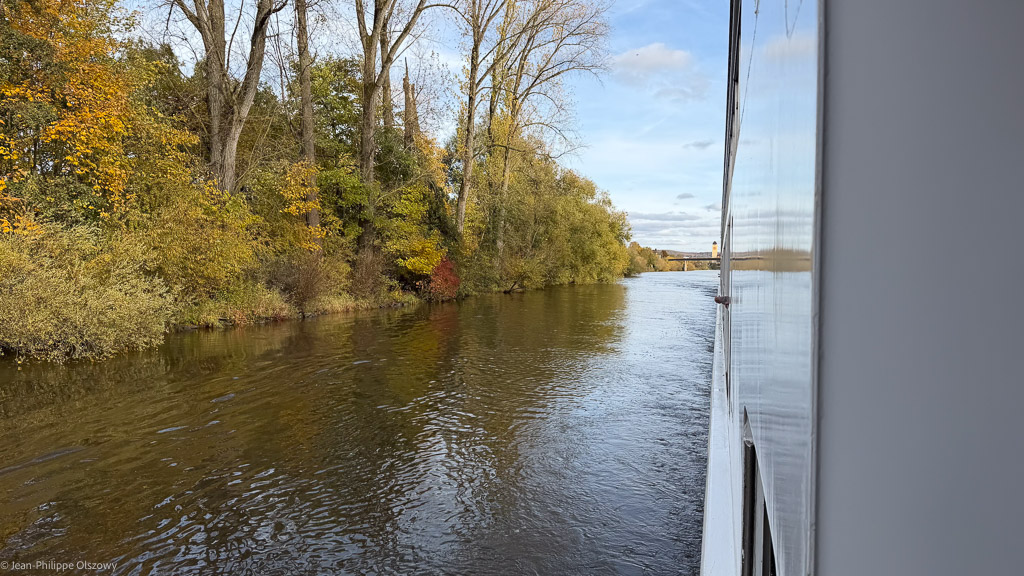
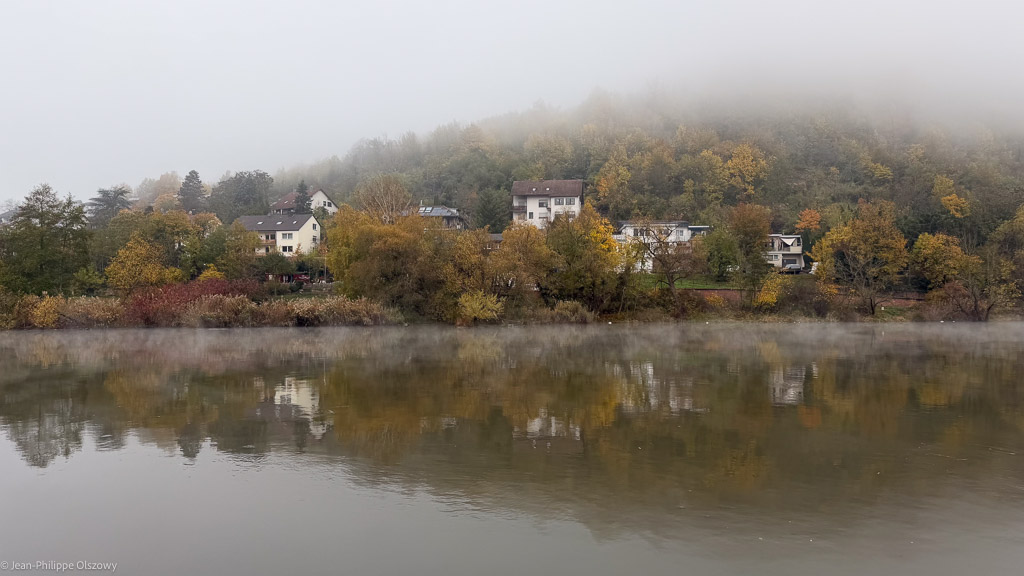
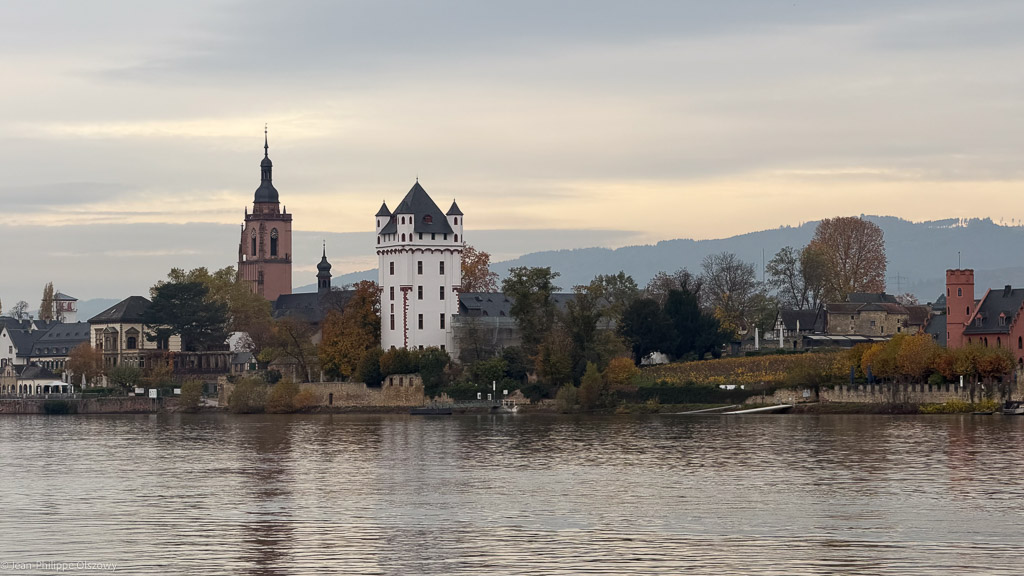
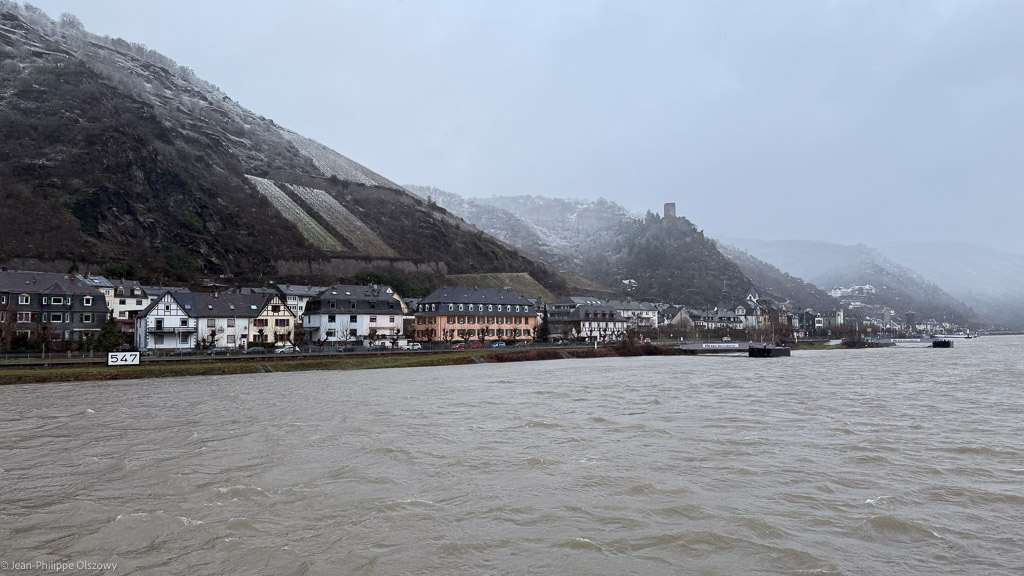
Basel (from Basel to Amsterdam)
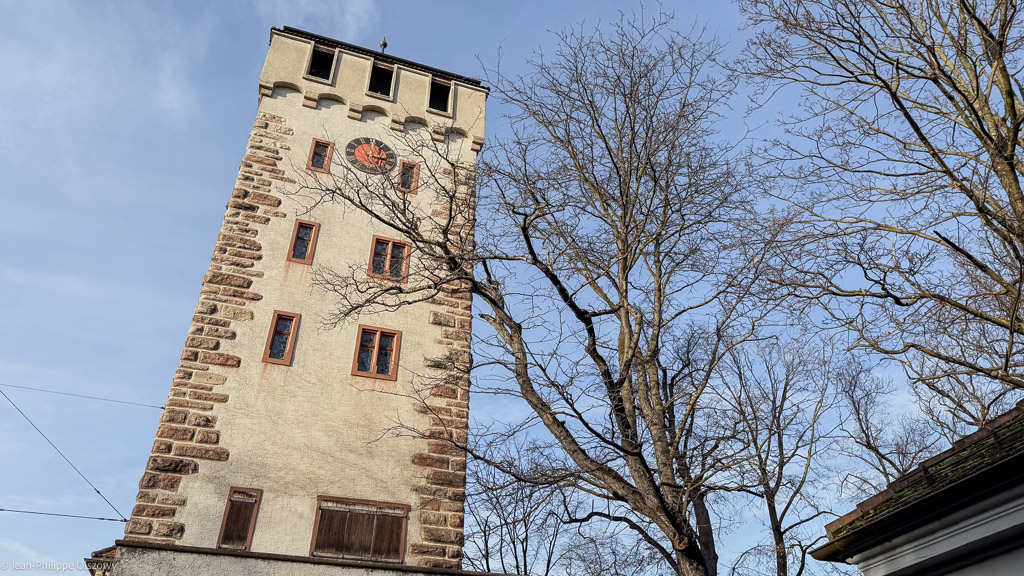
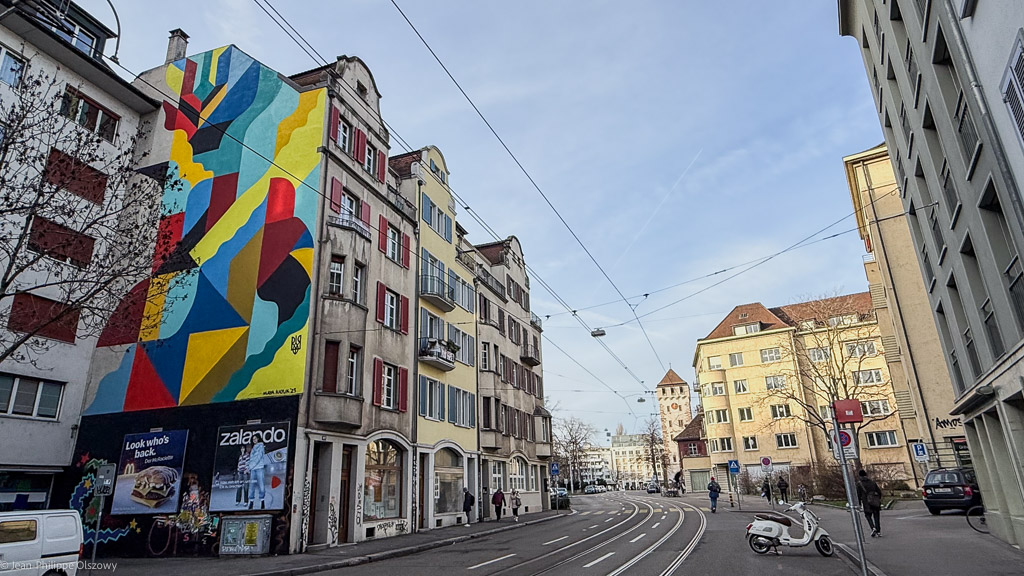
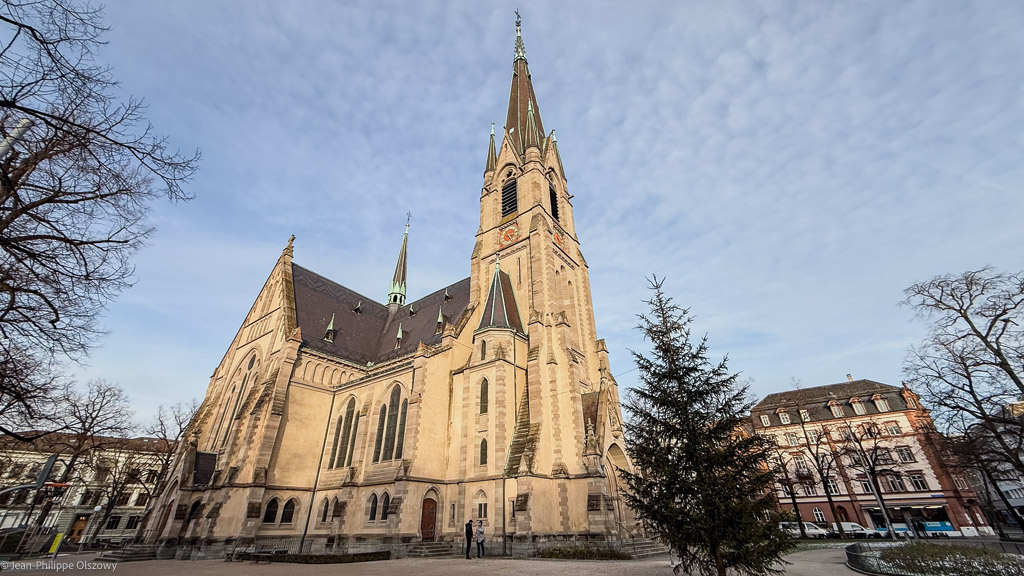
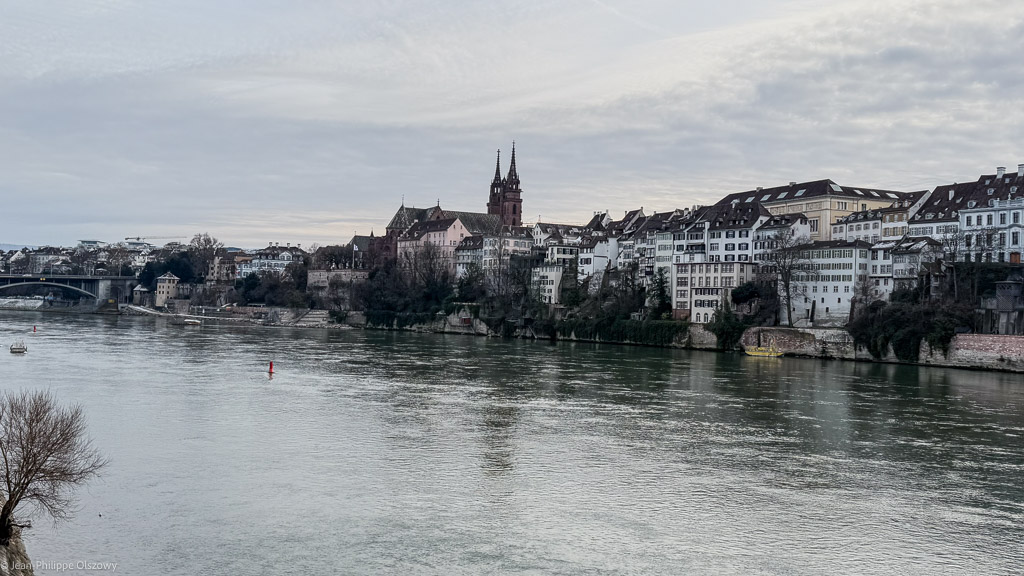
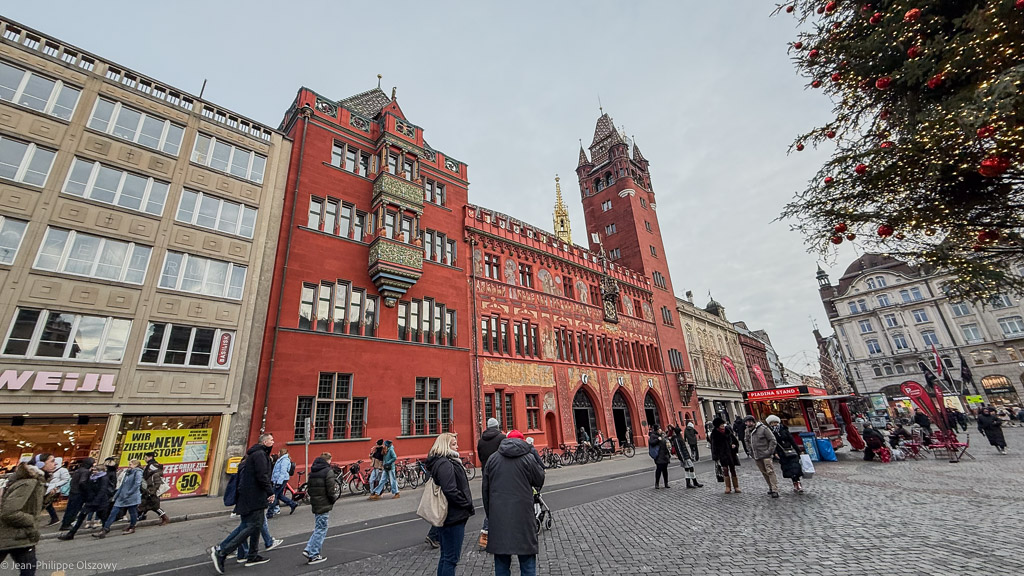
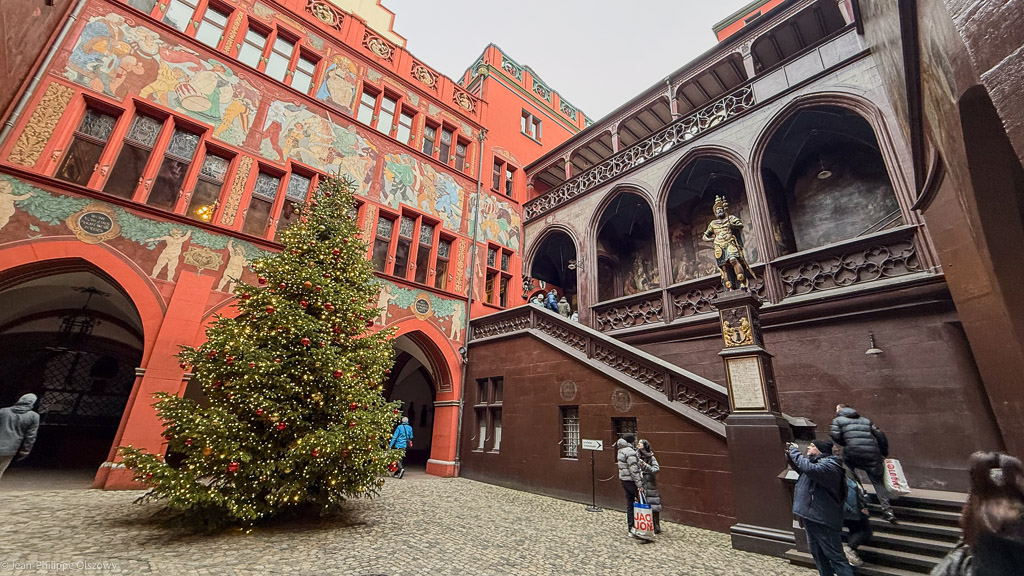
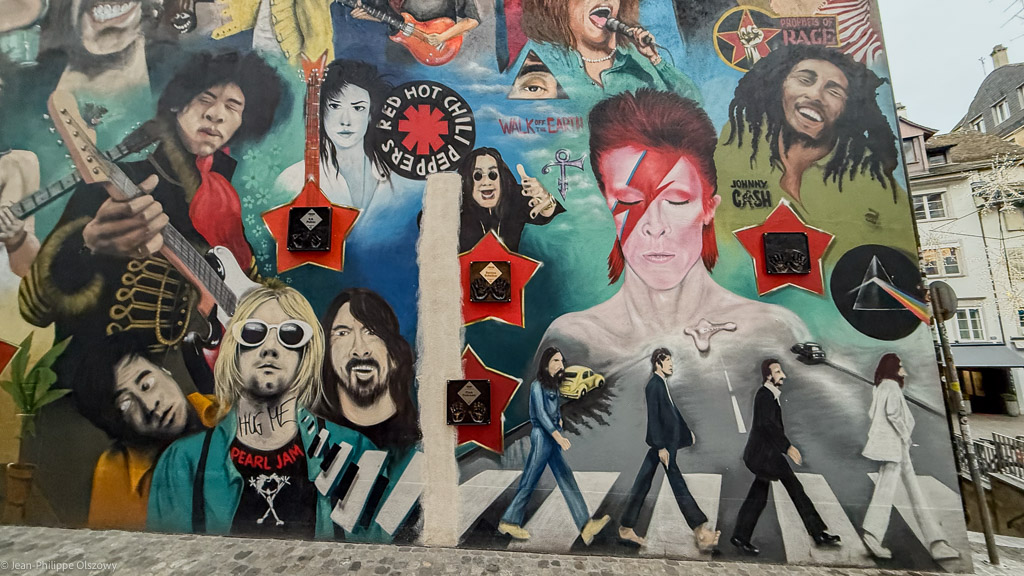
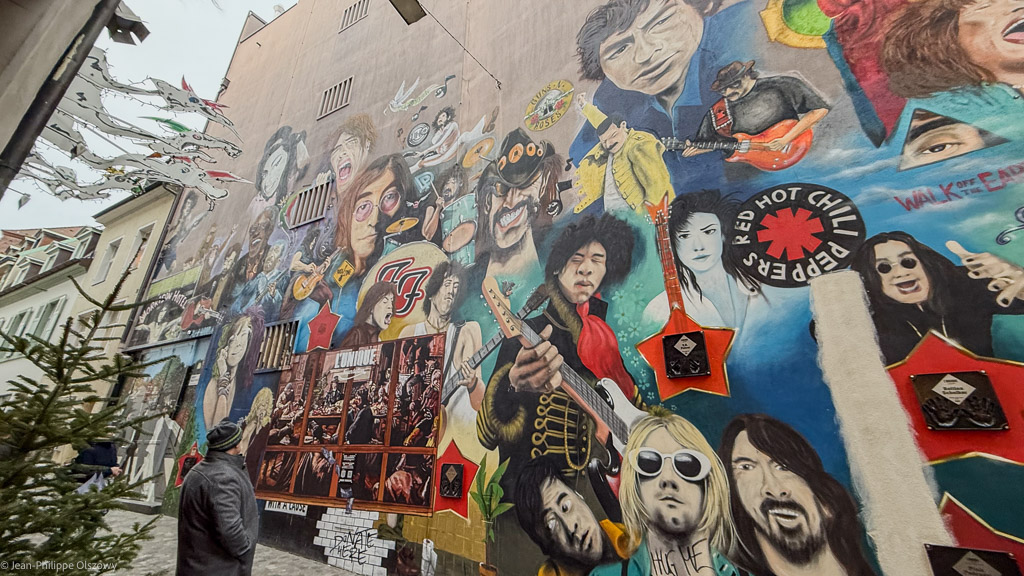
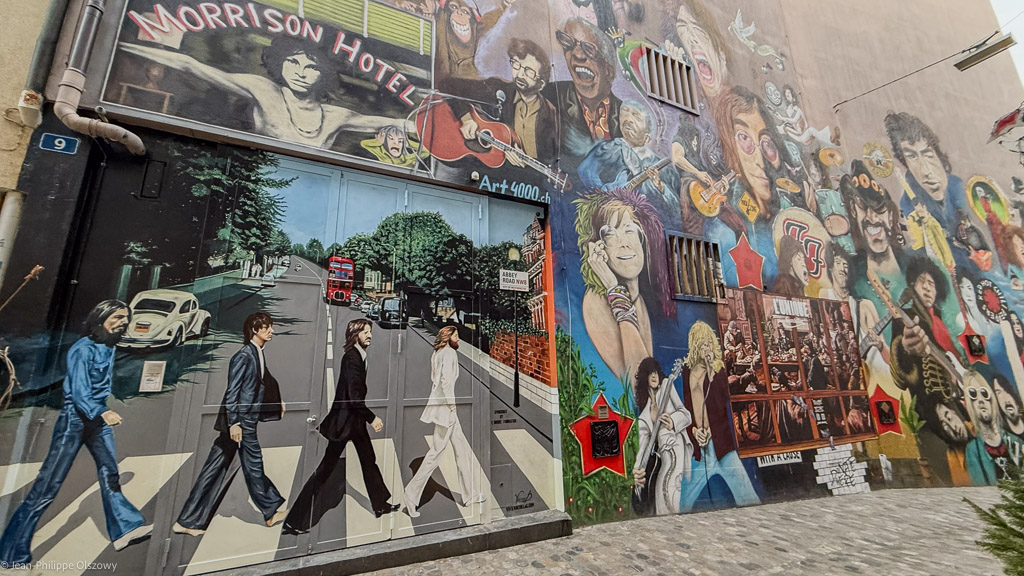

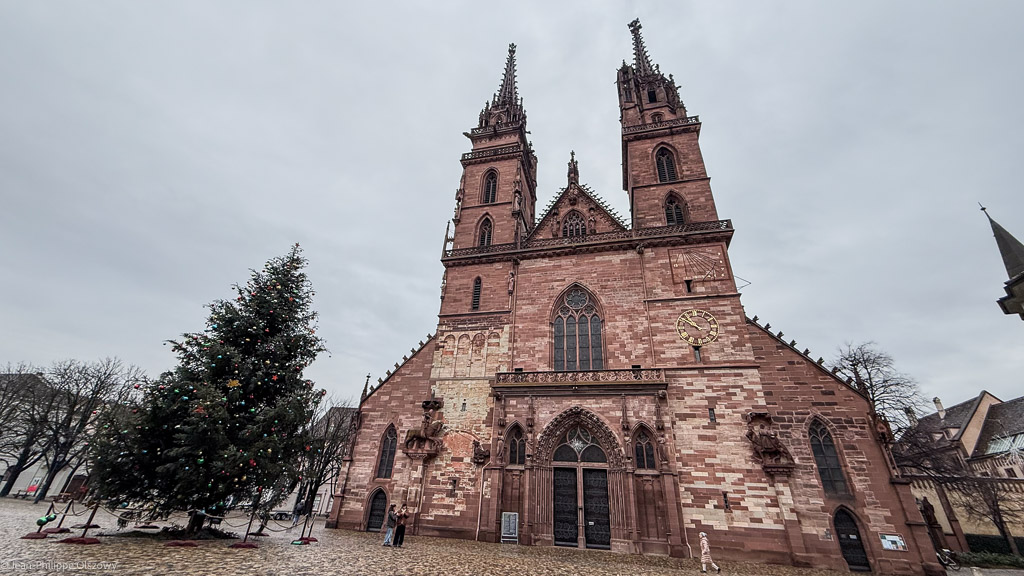
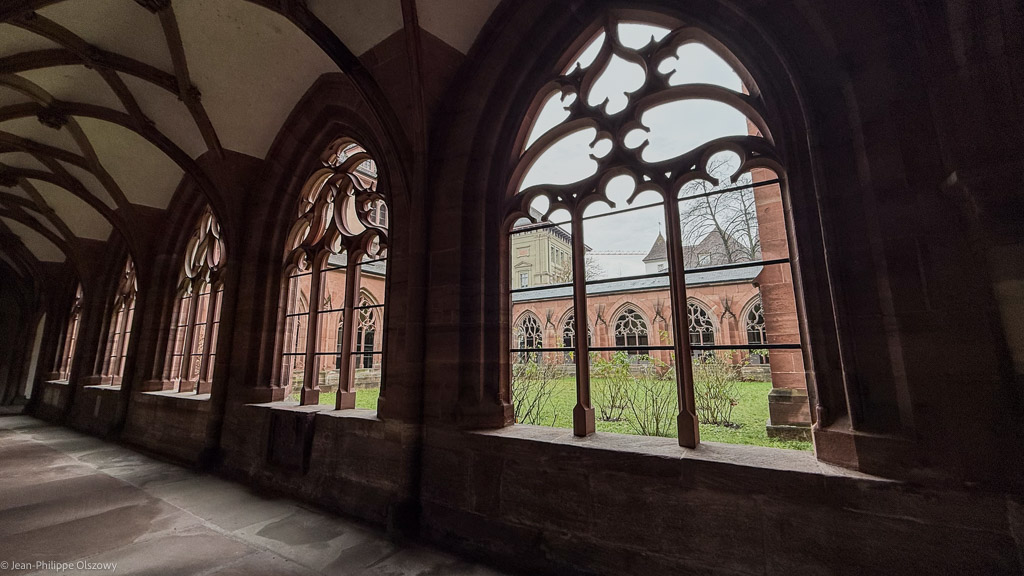
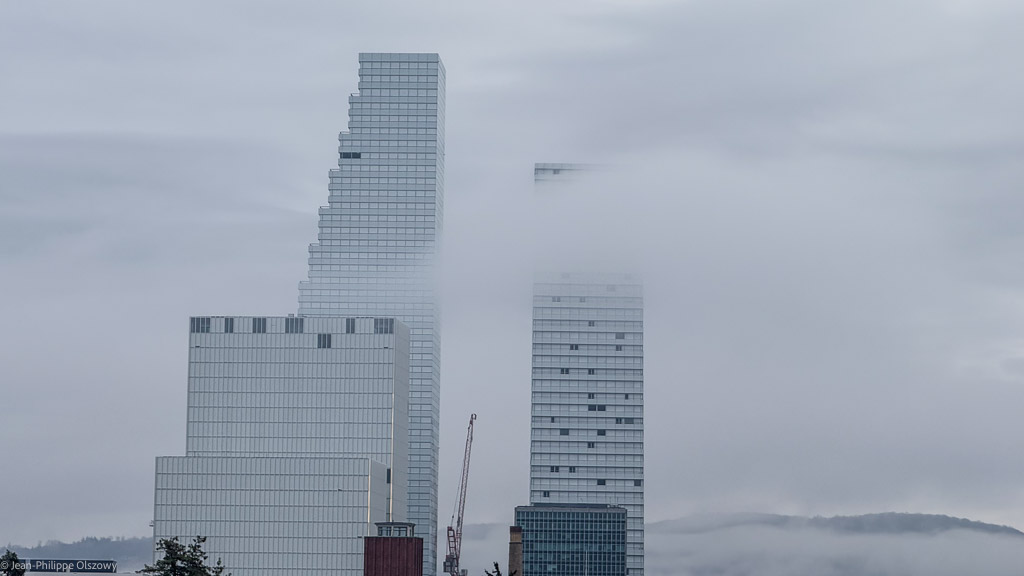
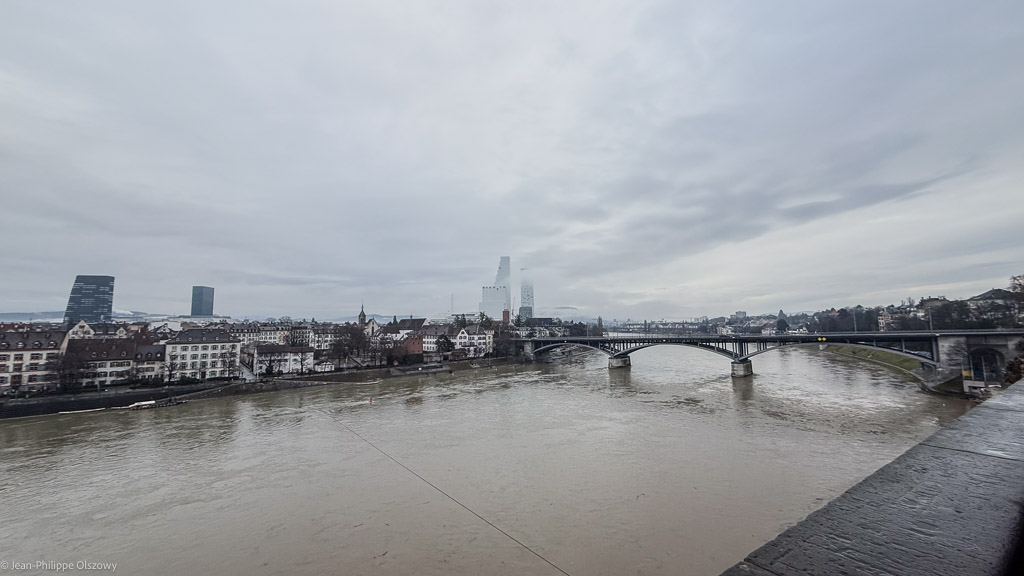
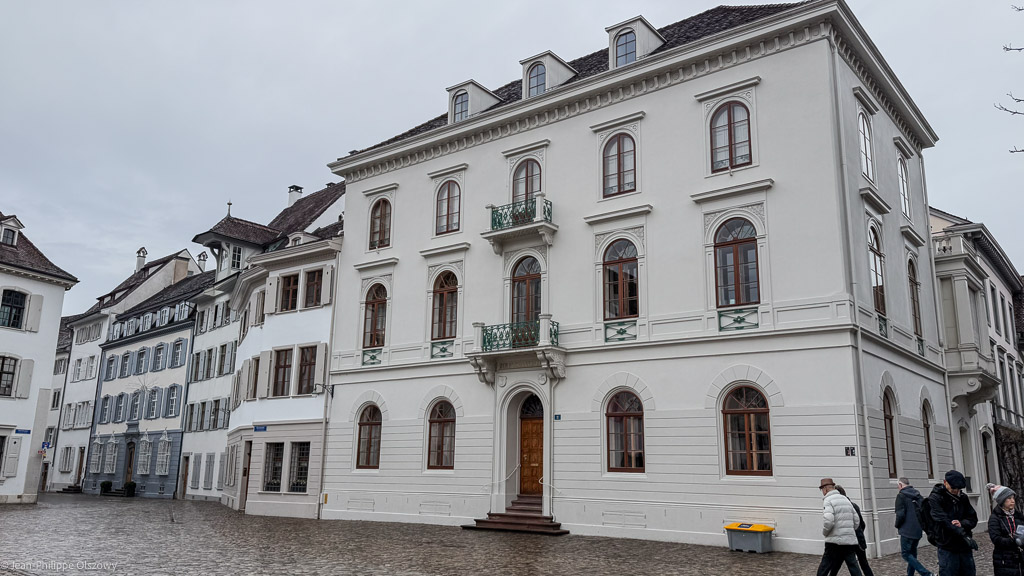
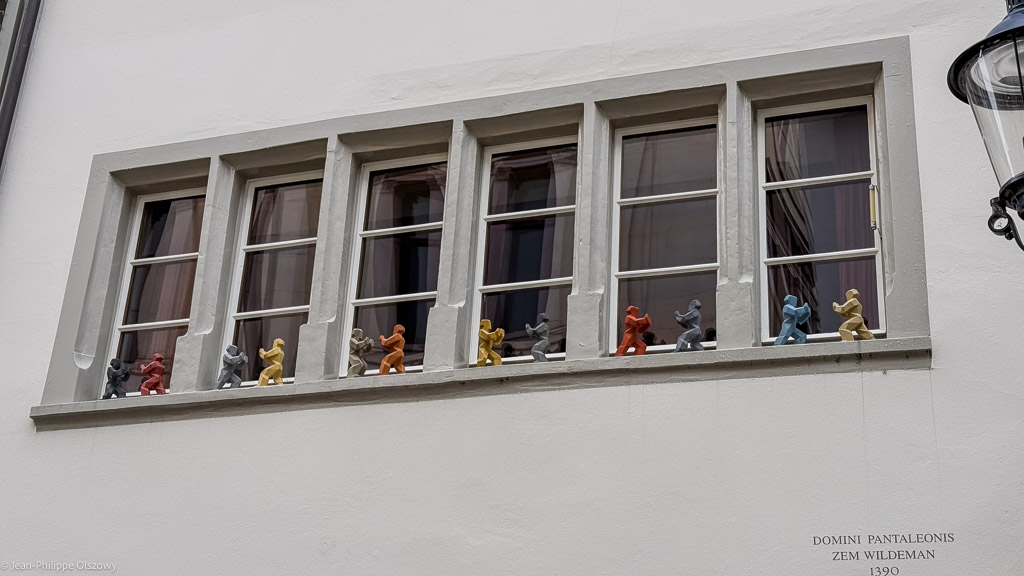
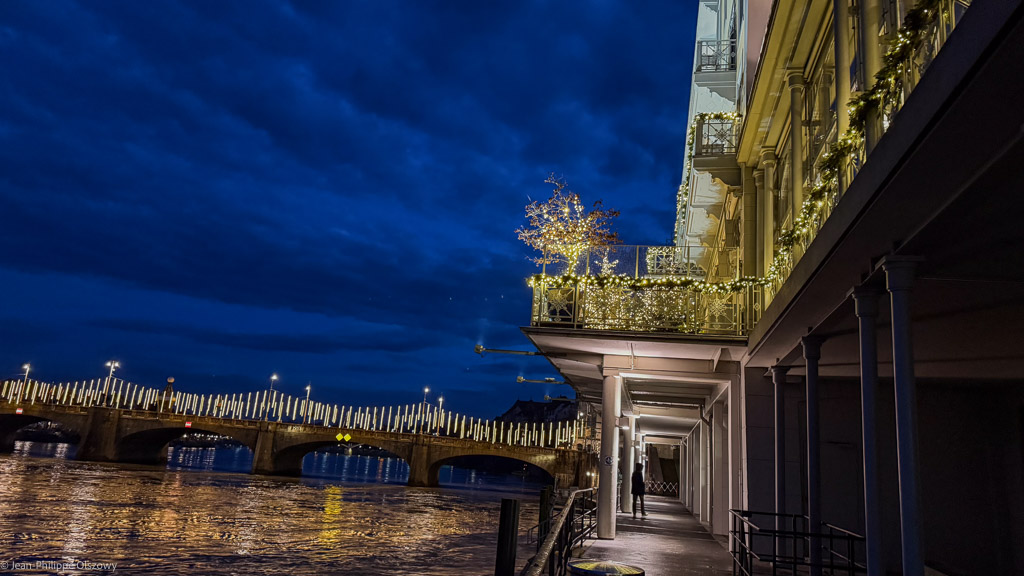
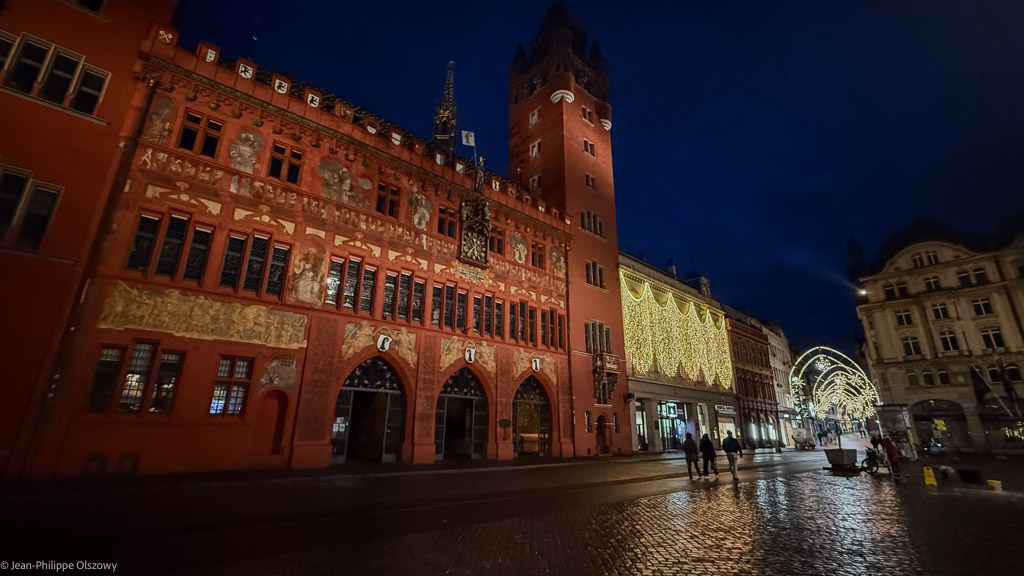
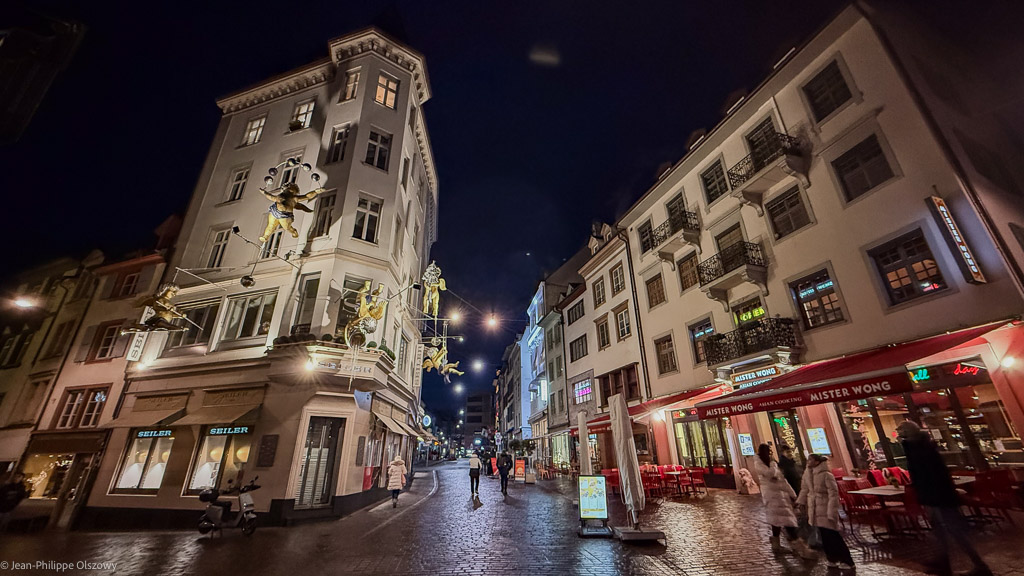
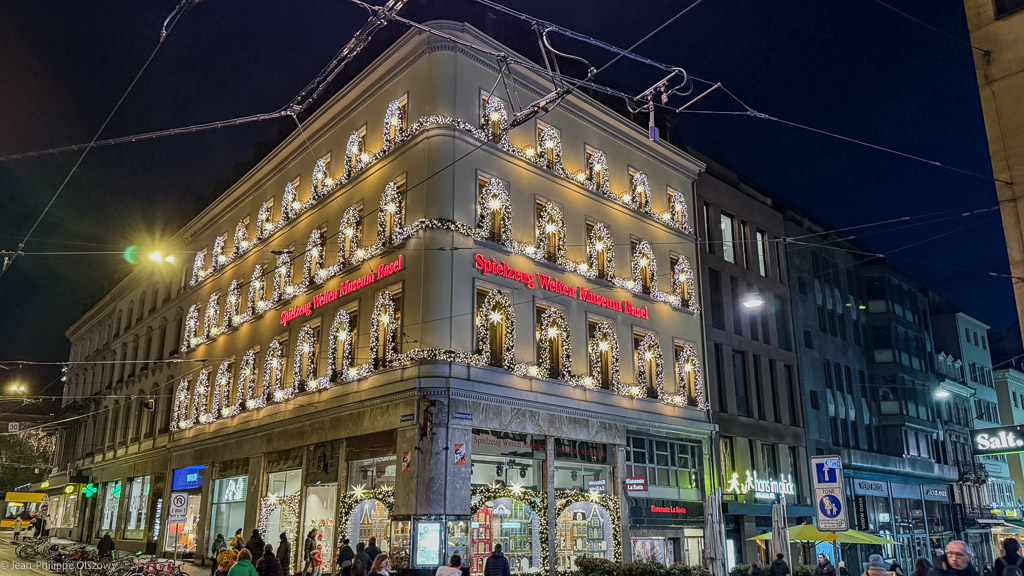
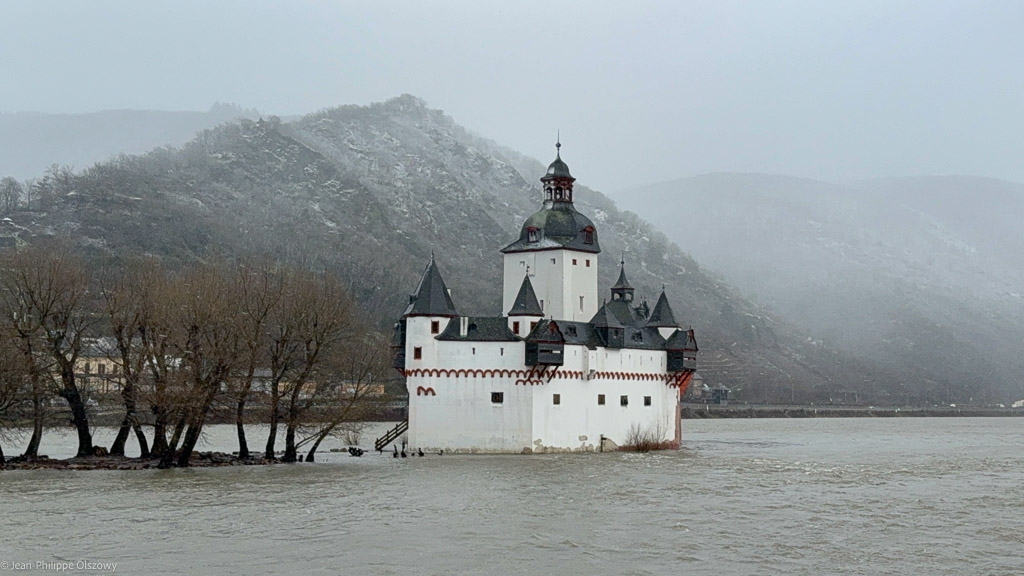
In Basel, everything reminds you that the city lives to the rhythm of the Rhine. Even in winter, when the air is crisper and the terraces quieter, a stroll along the riverbanks is enough to imagine the lively atmosphere of warmer days. For here, a local tradition often surprises visitors: in summer, residents don’t hesitate to plunge into the river to get home… swimming, carried by the current in waterproof fish-shaped bags. A very Basel-like way of using the Rhine as a means of transport—and one that adds even more charm to a walk along the water.
Budapest (from Budapest to Amsterdam)
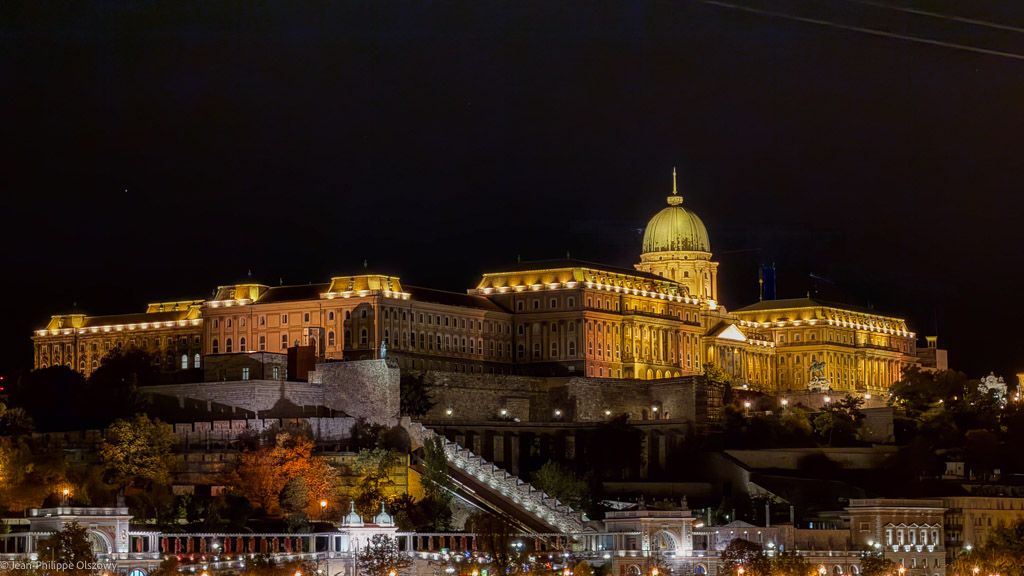
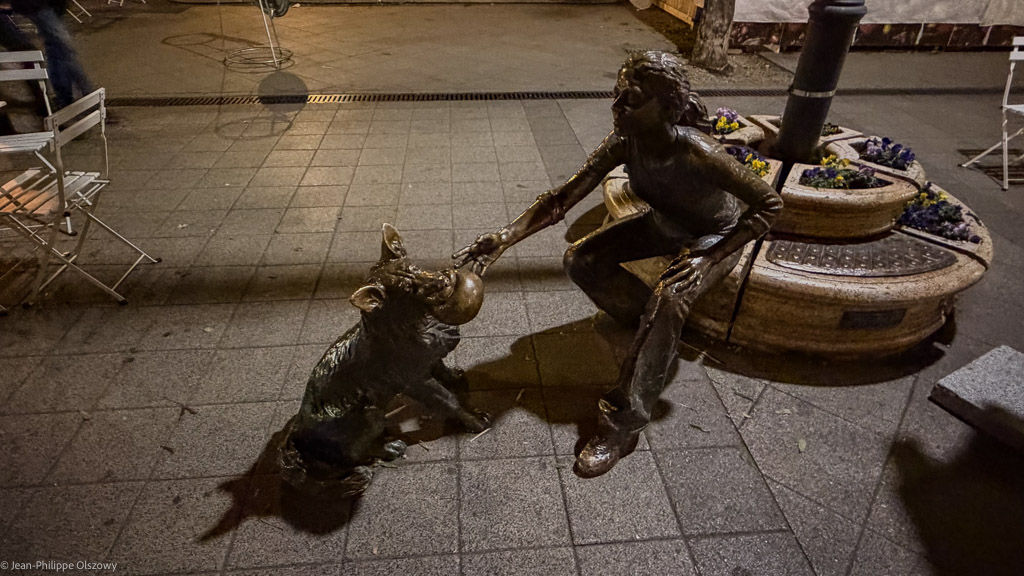
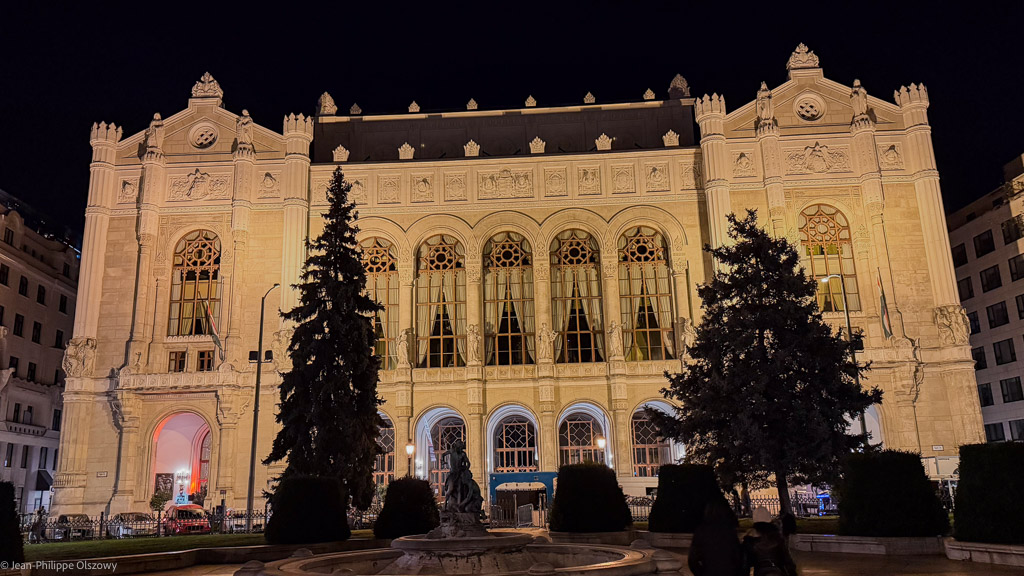
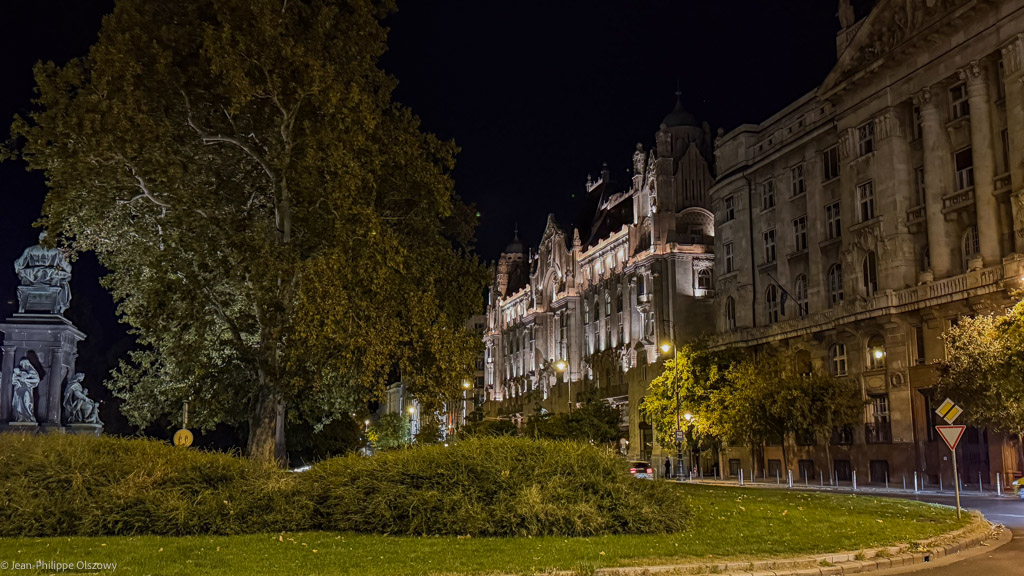
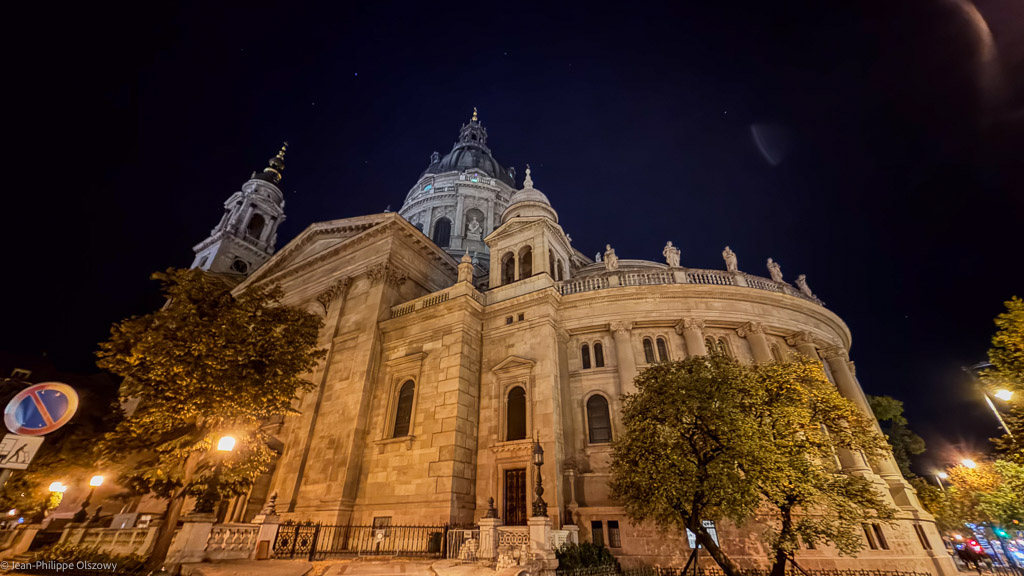
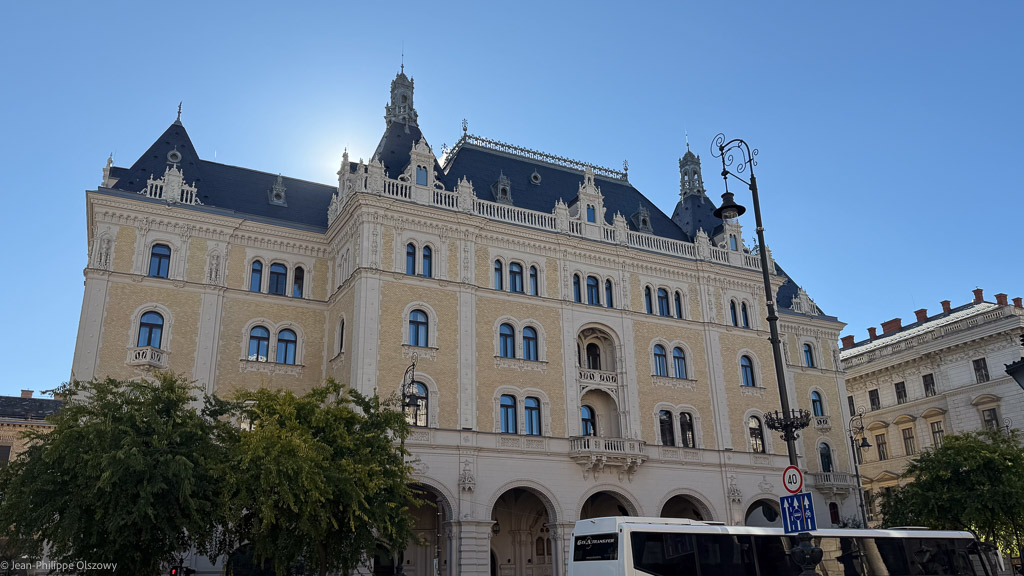
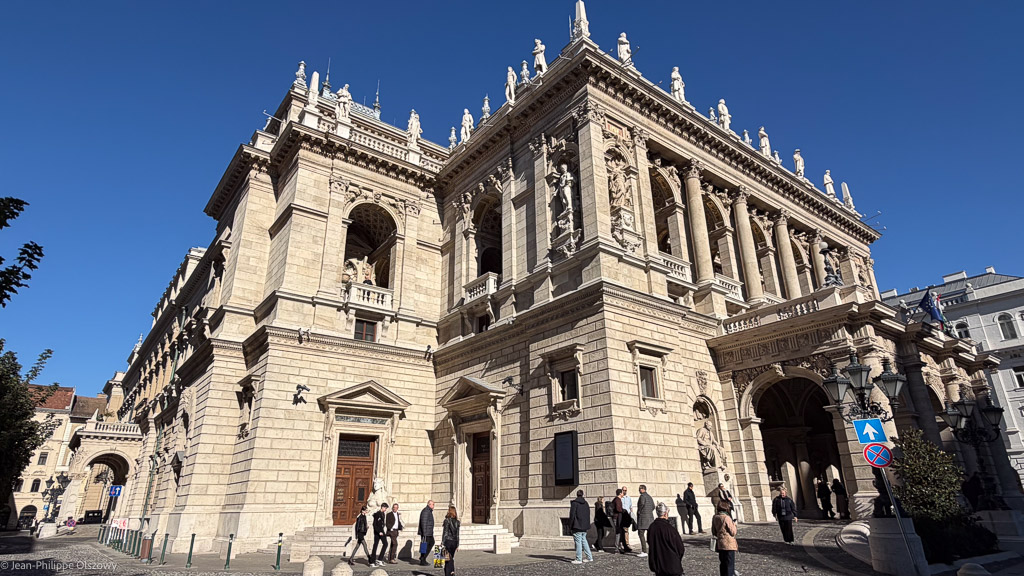
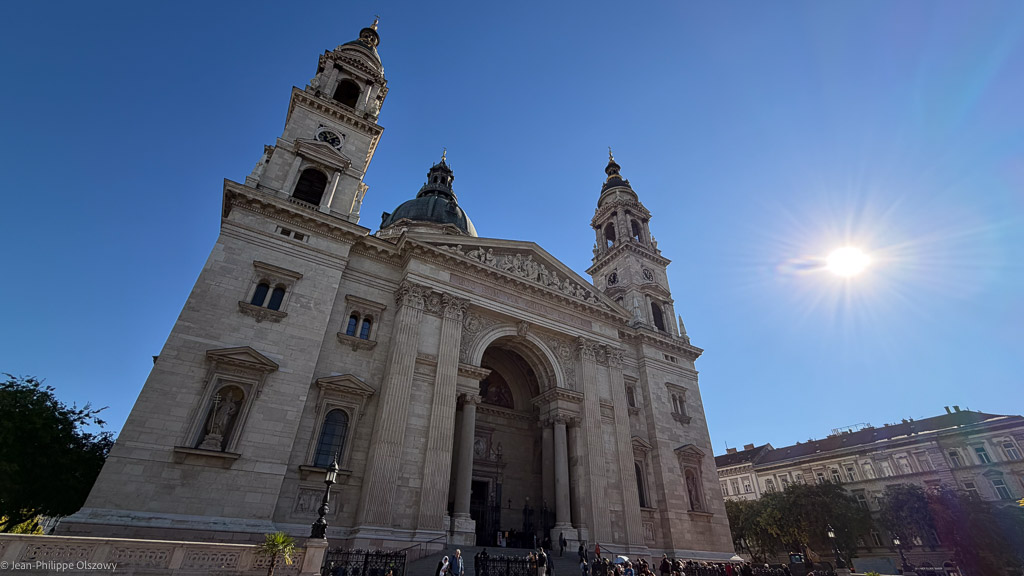
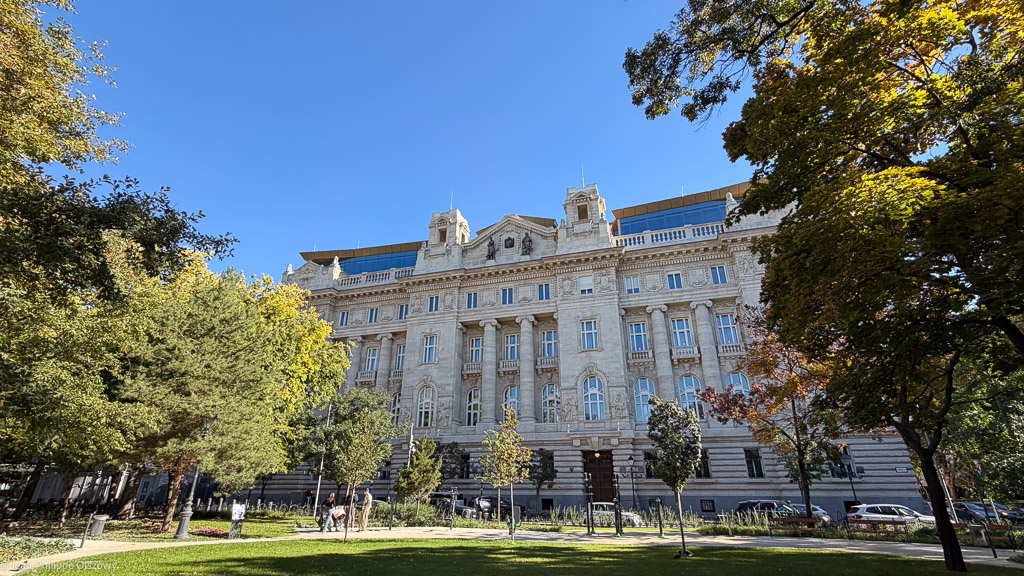
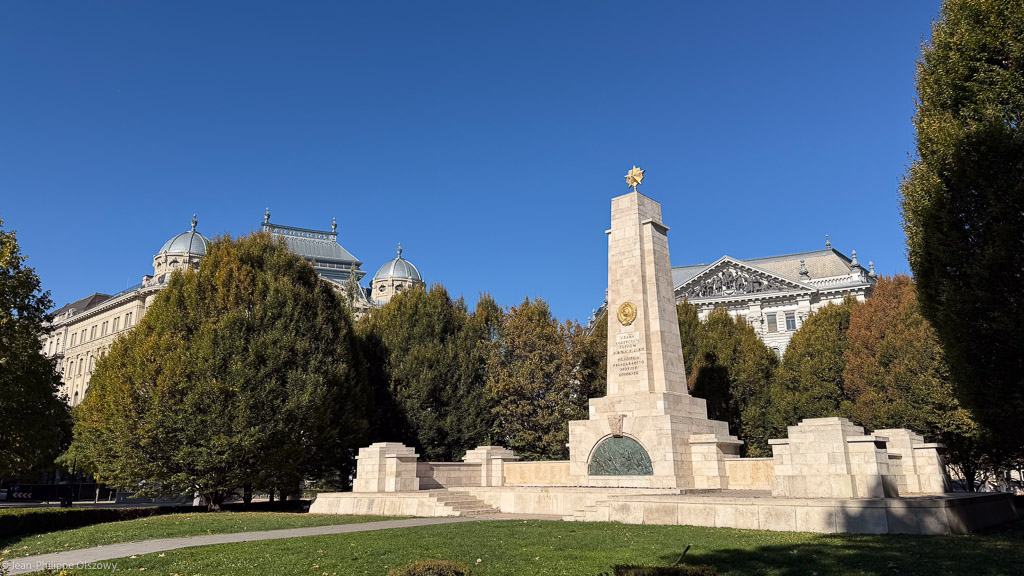
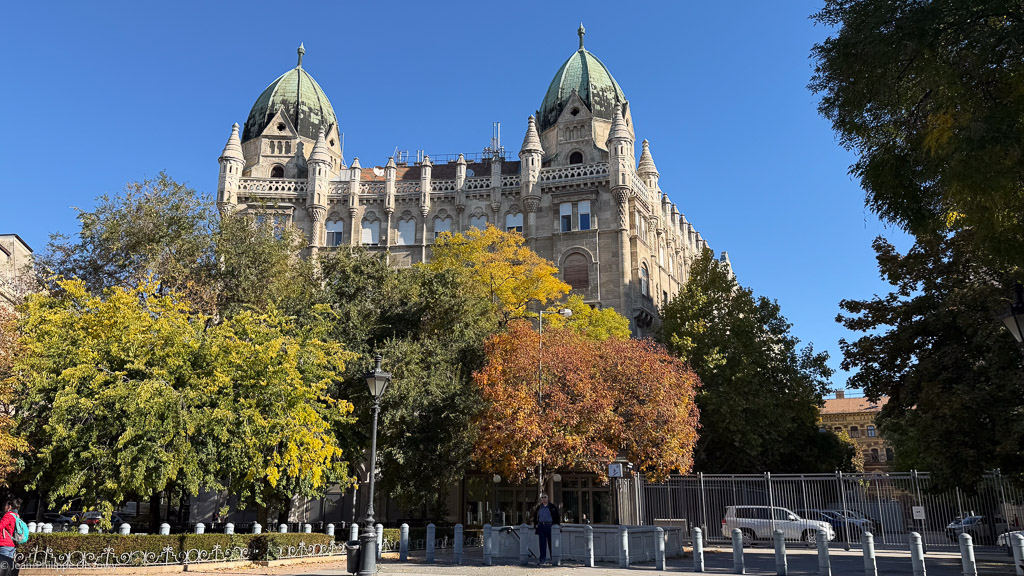
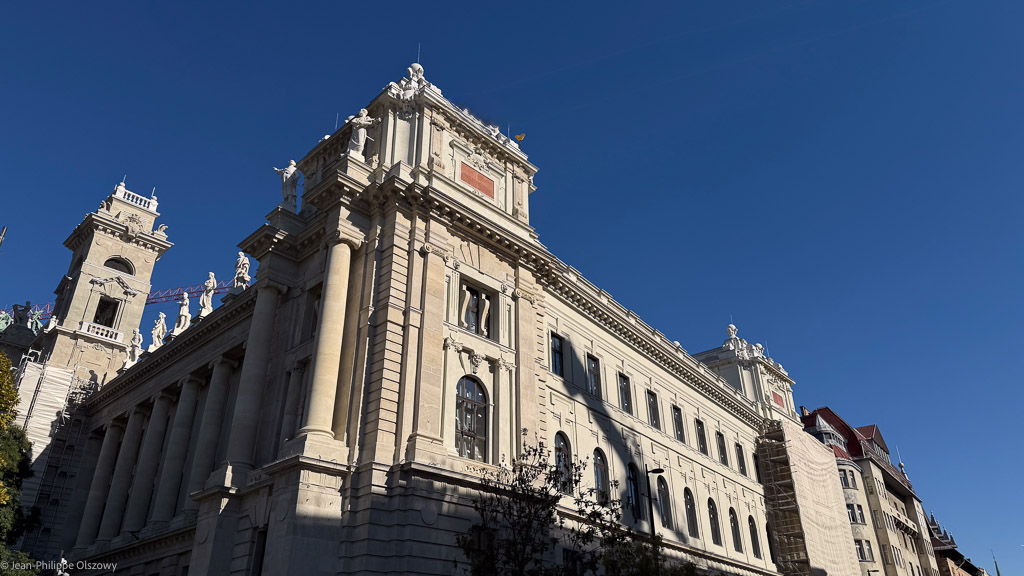
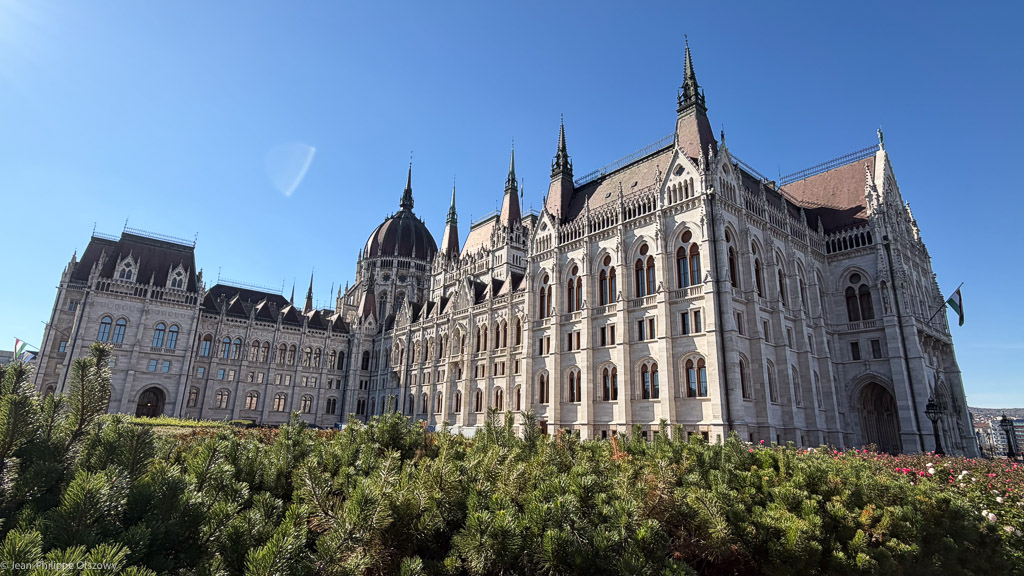
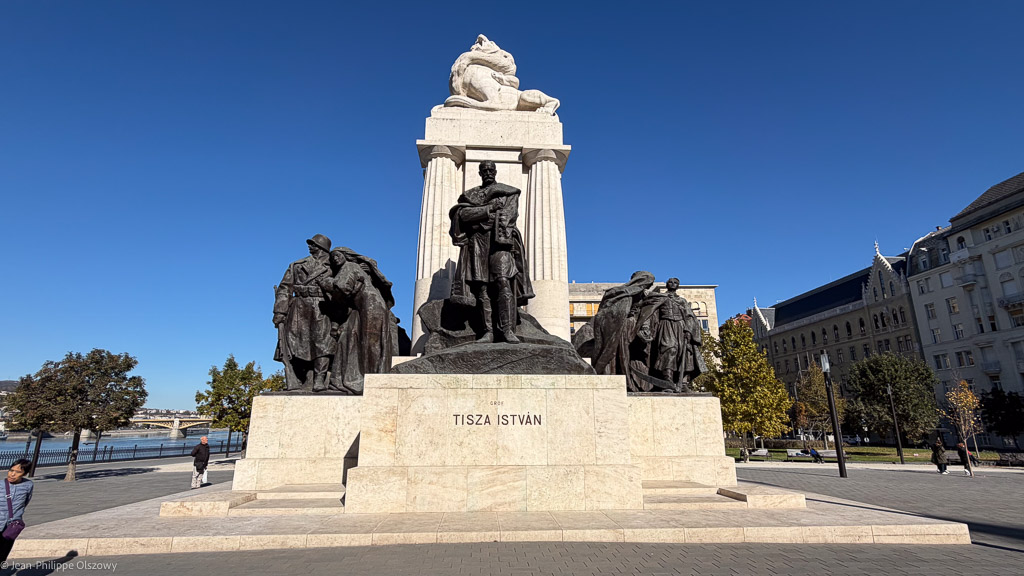
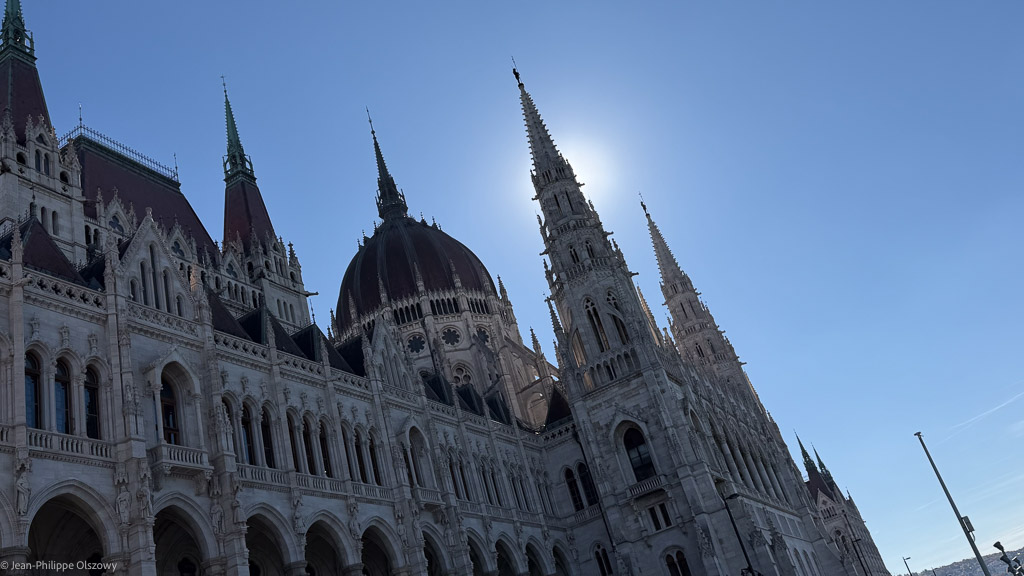
In Budapest, simply looking up from the banks of the Danube reveals one of Europe’s most impressive buildings: the Hungarian Parliament. Inaugurated in 1902, it is so vast that it boasts nearly 700 rooms and over 20 kilometers of corridors. Its neo-Gothic architecture, inspired by the Palace of Westminster in London, was designed to impress. And it succeeds: whether you arrive by river, bridge, or quayside, this building always seems to majestically dominate the city.
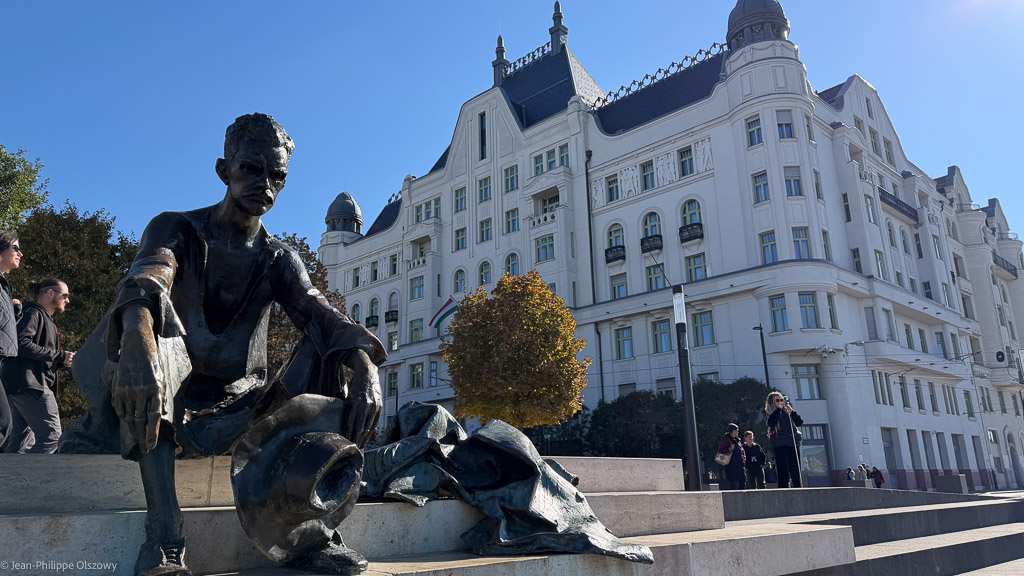
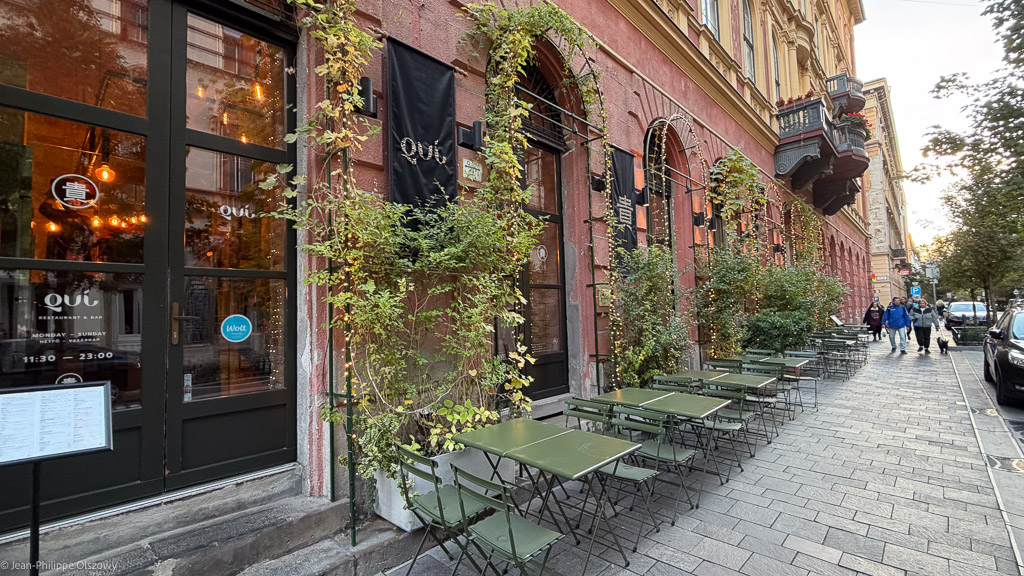
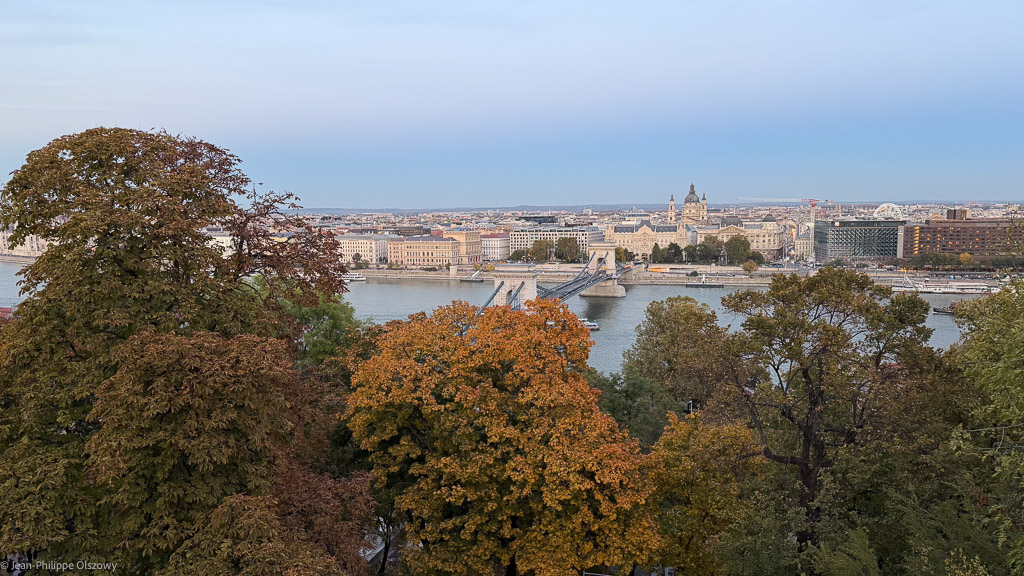
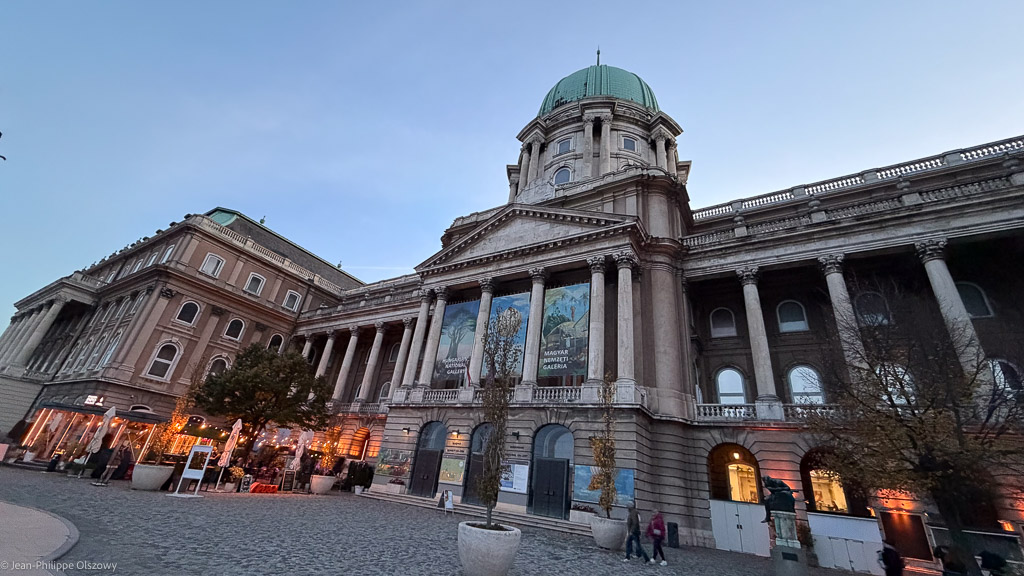
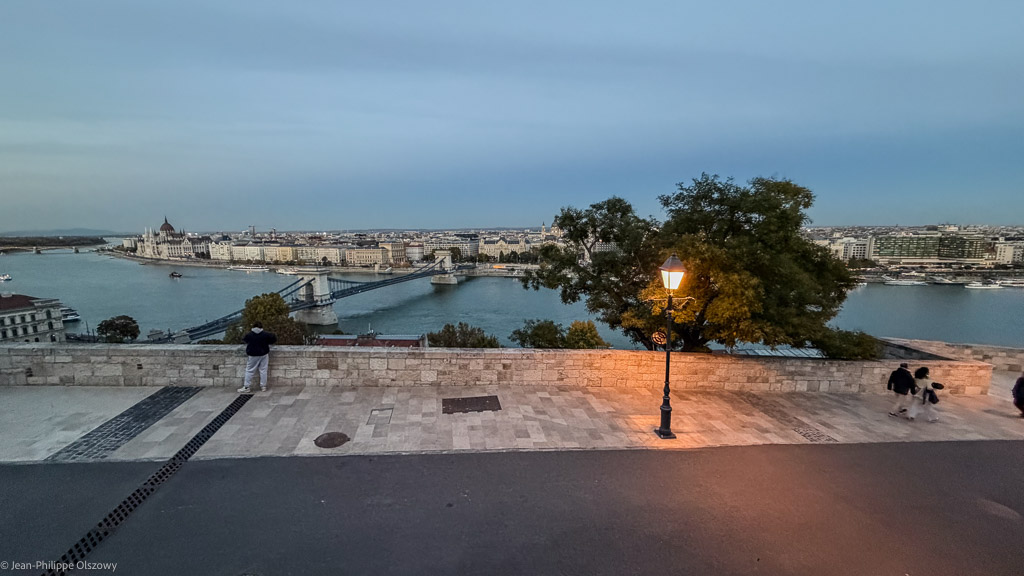
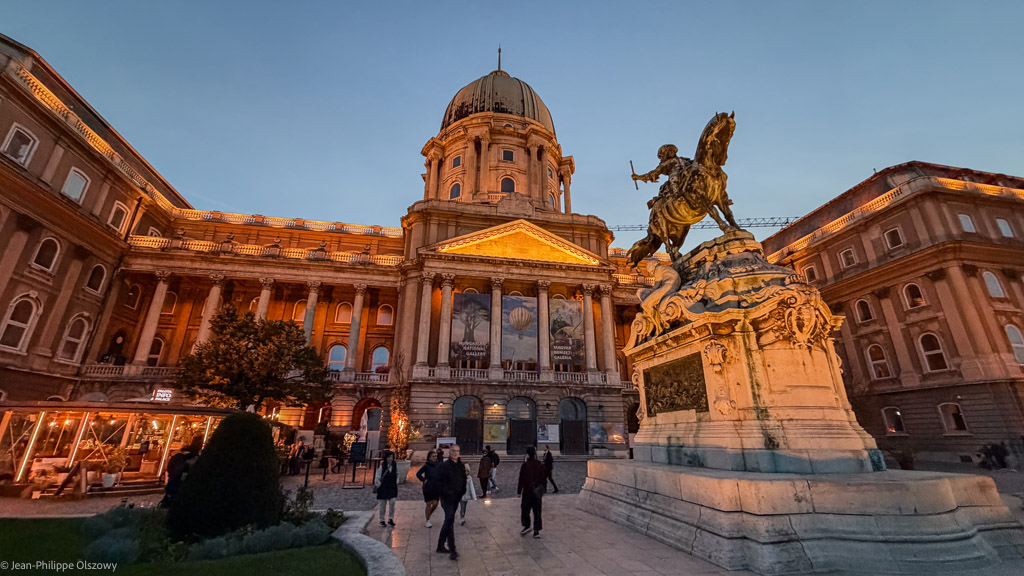
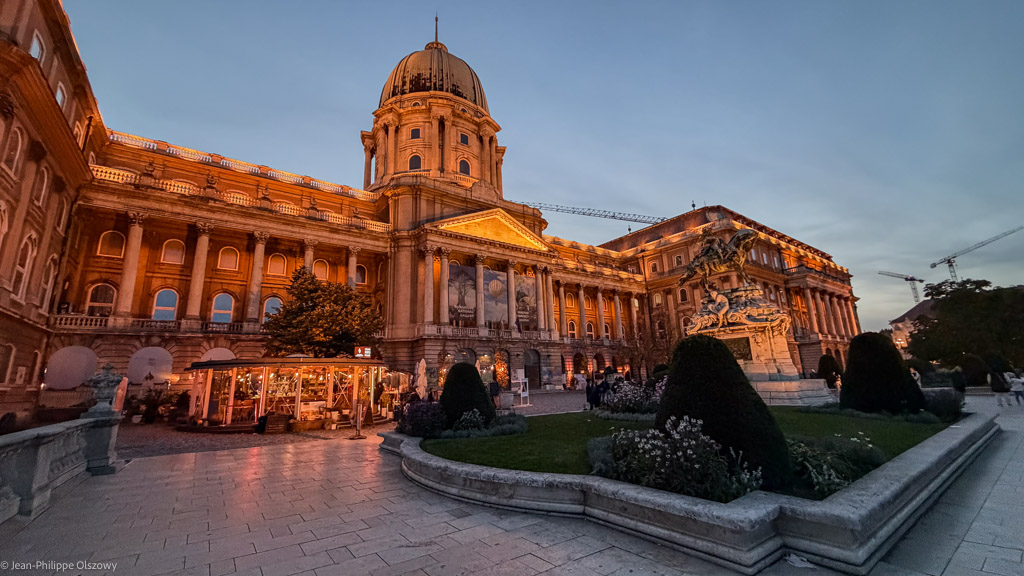
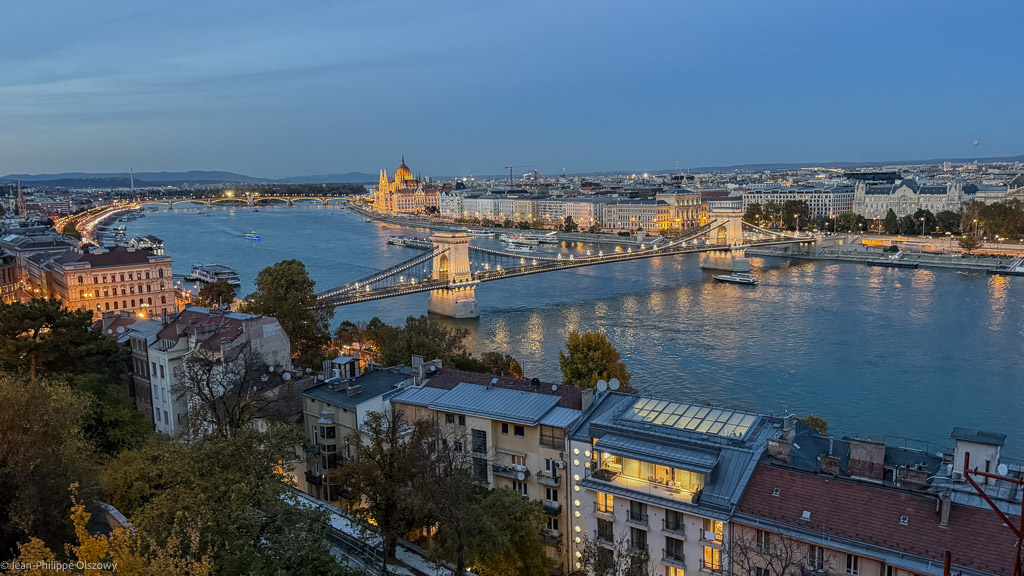
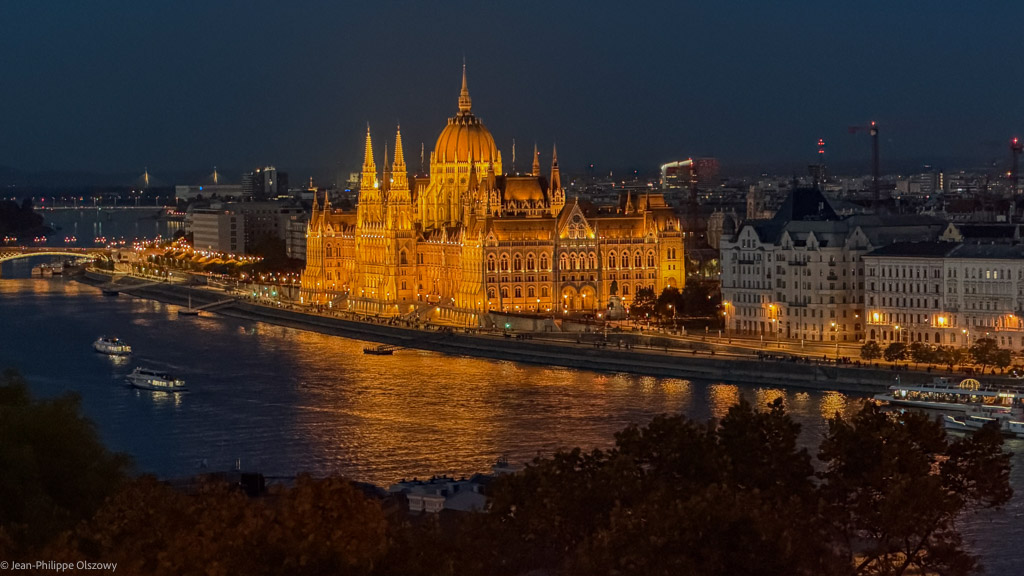
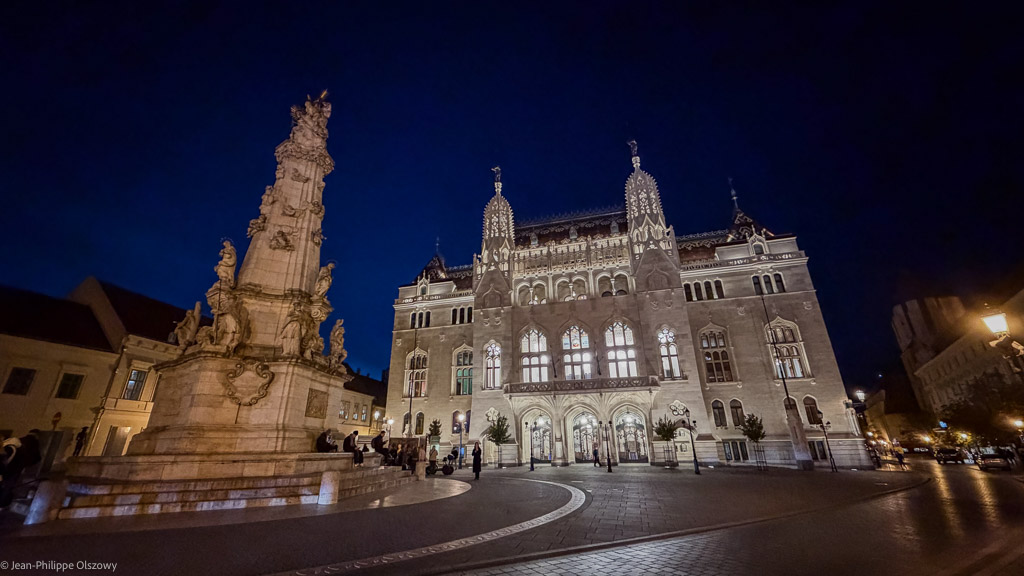
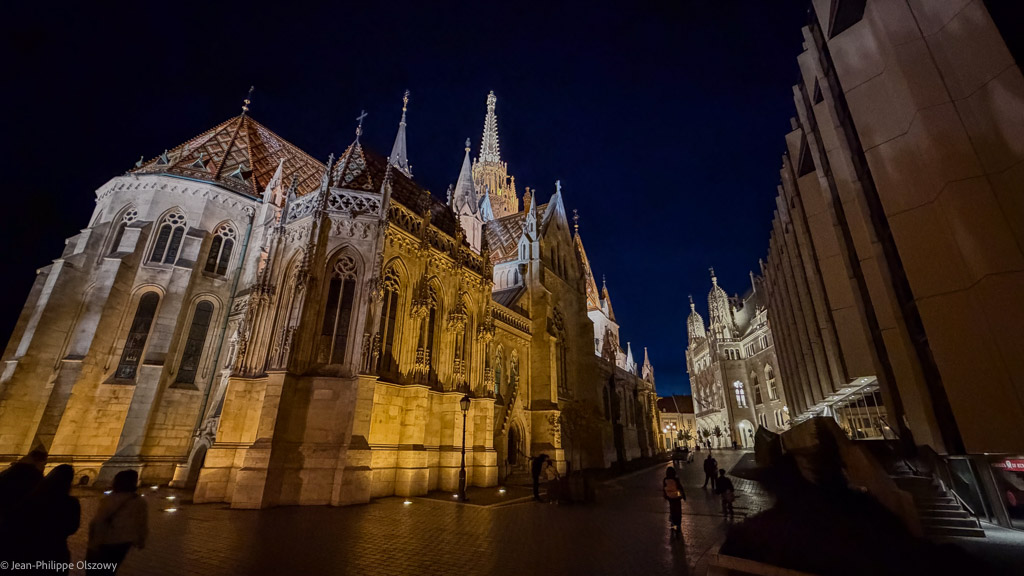
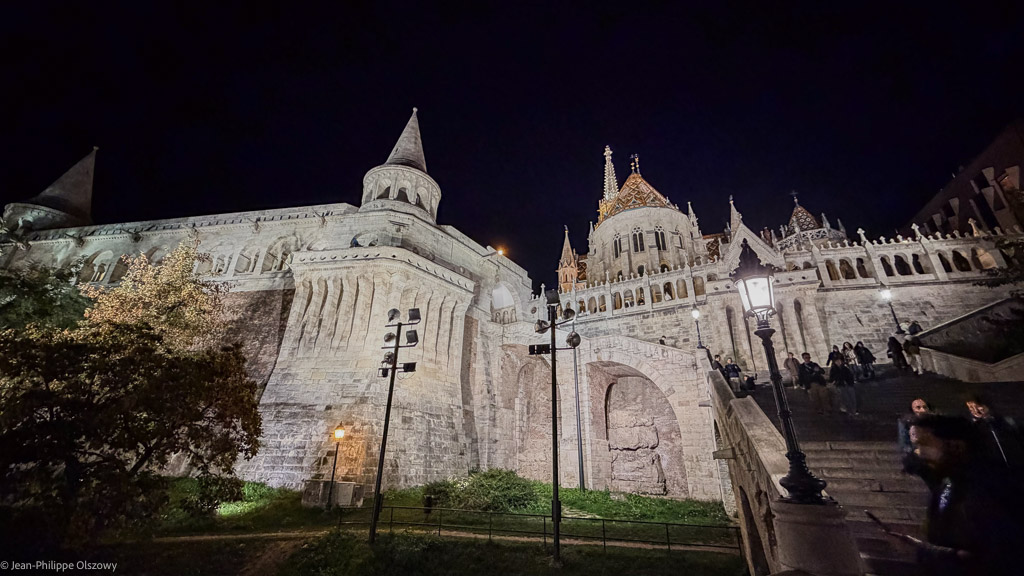
The Danube separates two cities that were once united: Buda and Pest. It wasn’t until 1873 that the two banks, along with the small town of Óbuda, were officially joined to form the Hungarian capital we know today. From the quays or the bridges, this dual identity is readily apparent: on one side, the Buda hills and its castle; on the other, the grand avenues of Pest and the Parliament building. Two distinct faces, united by the river at the heart of the city.
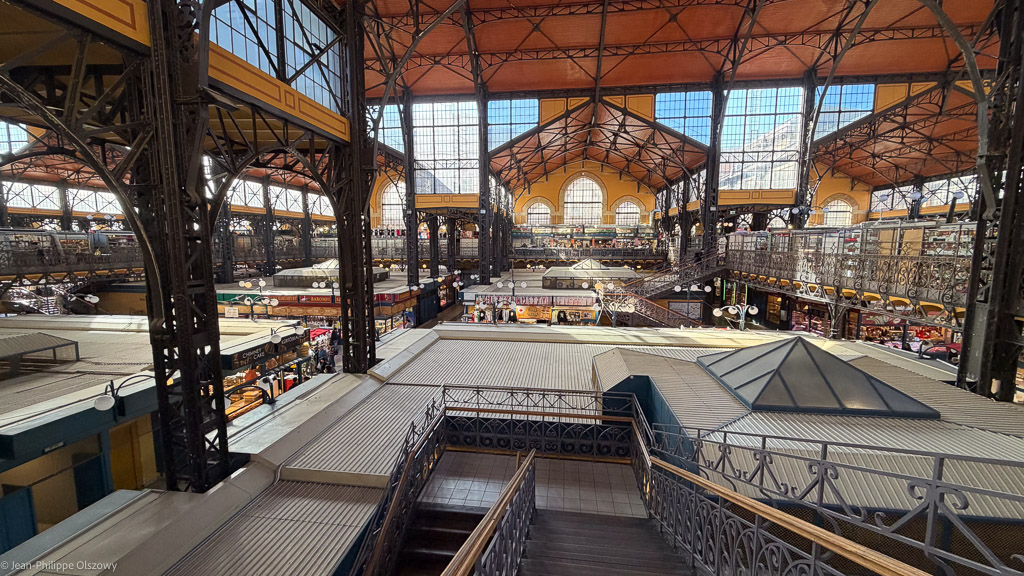
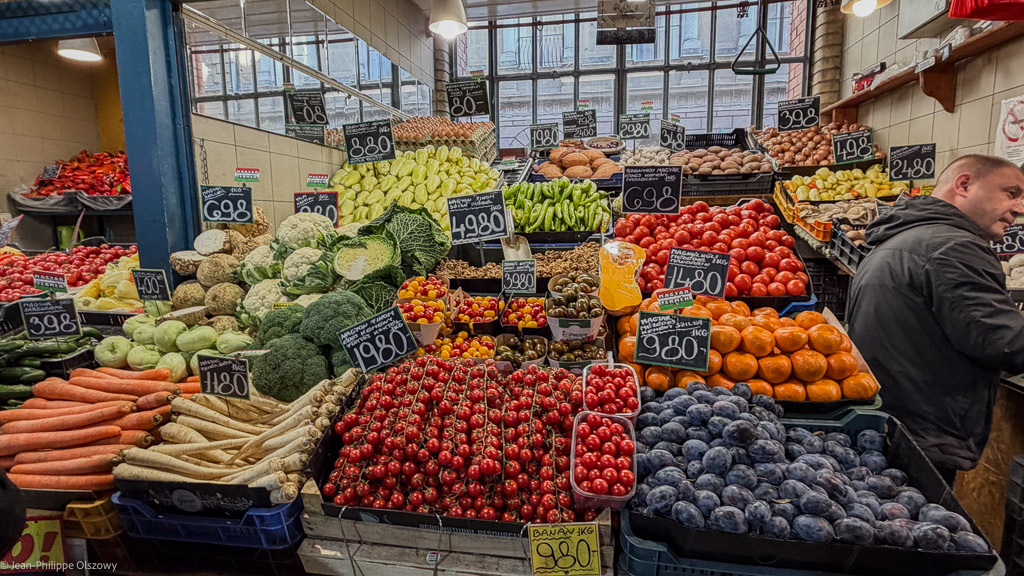
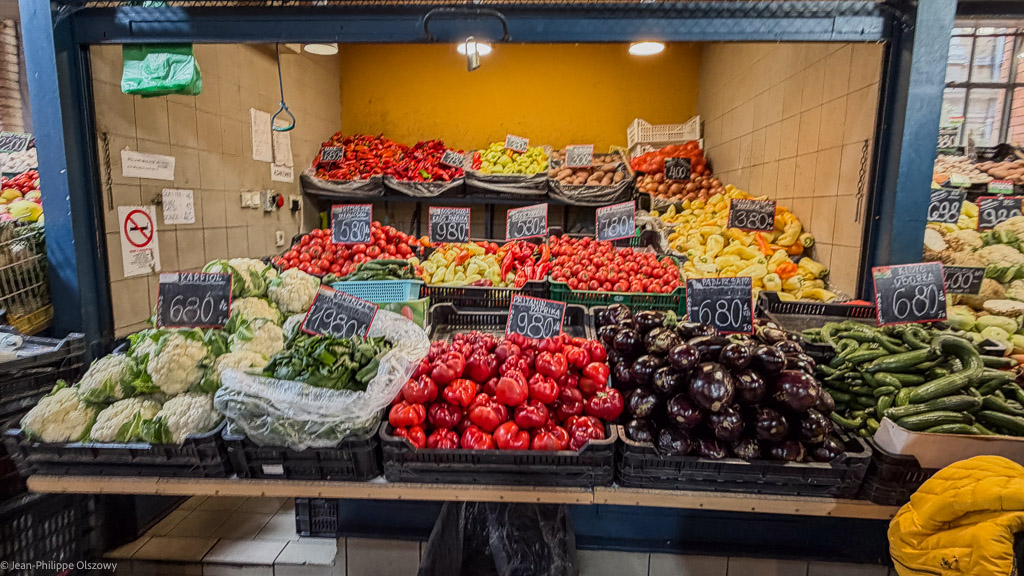
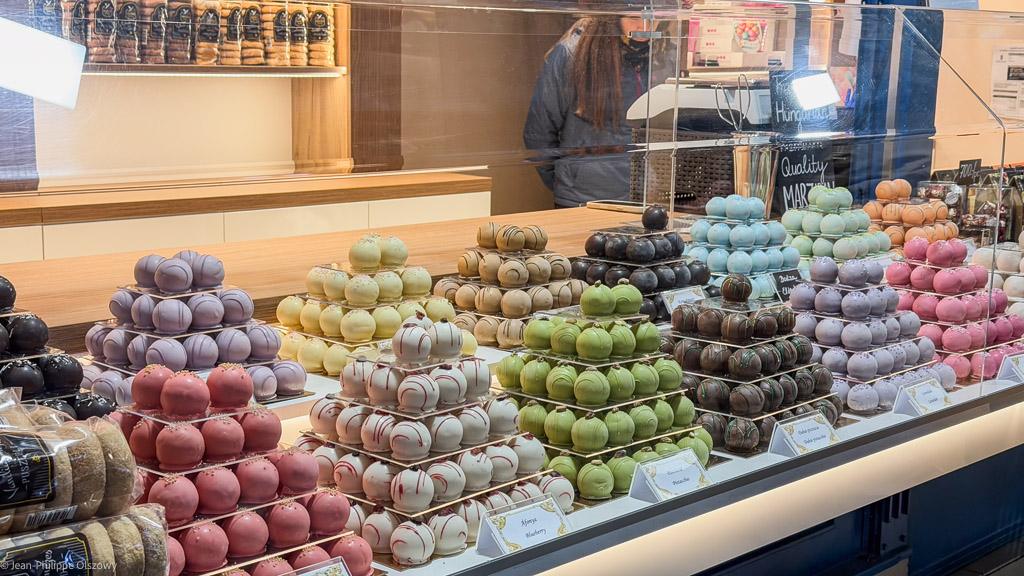
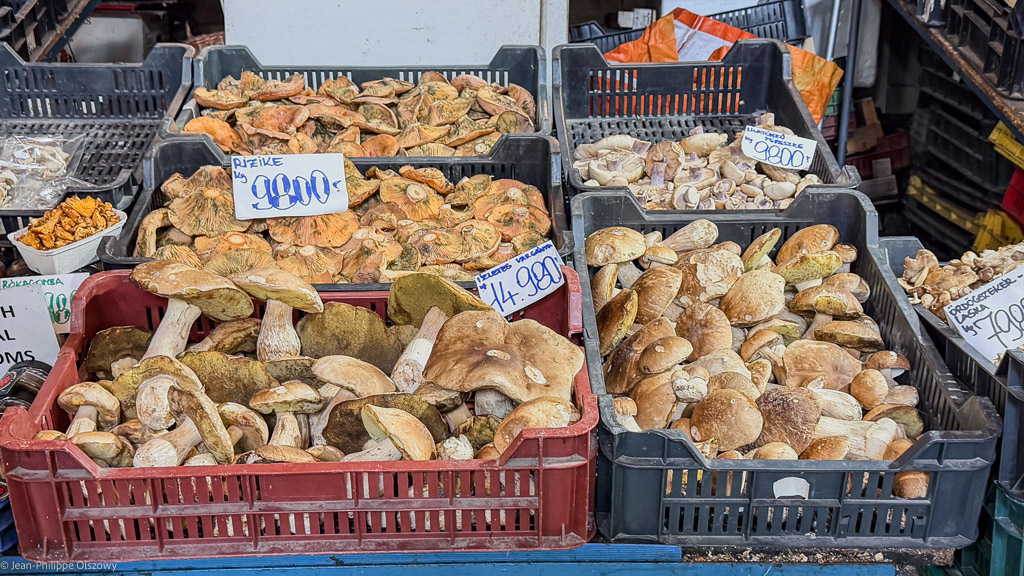

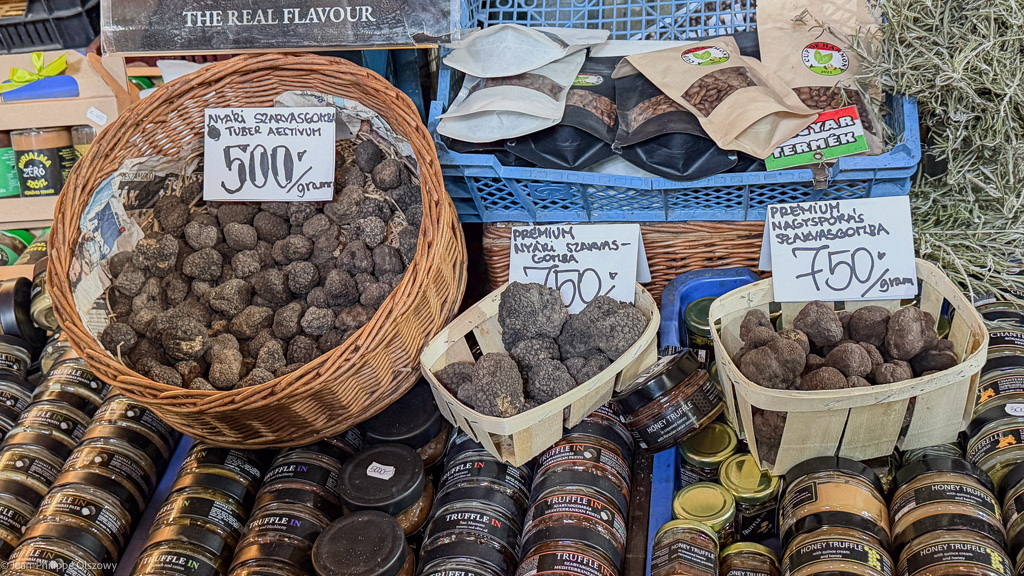
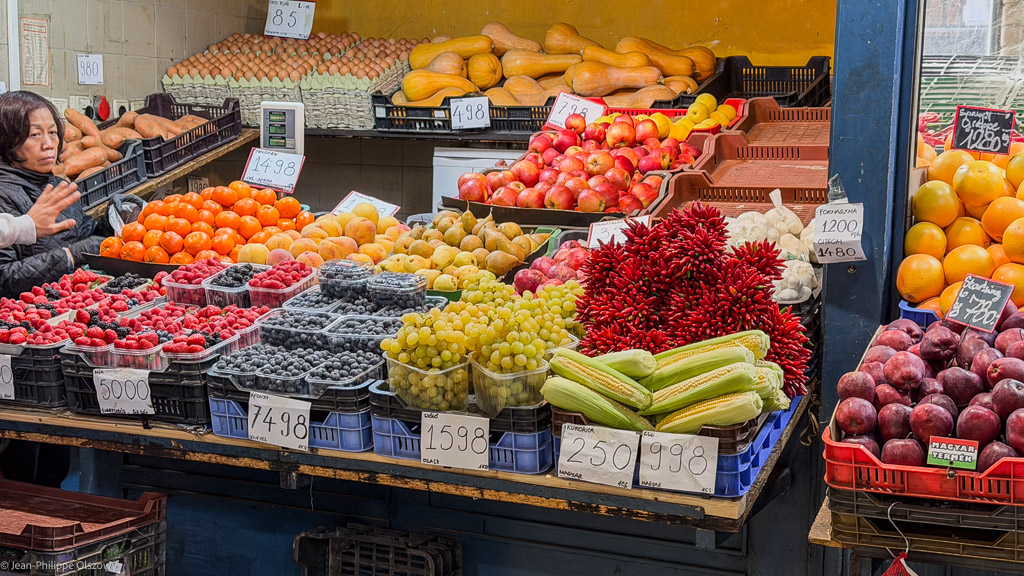
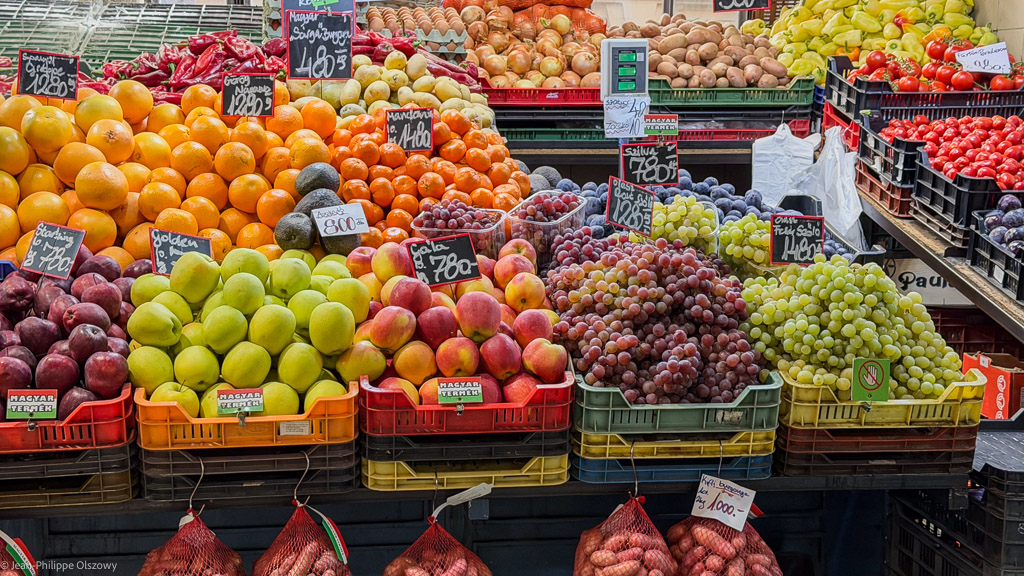
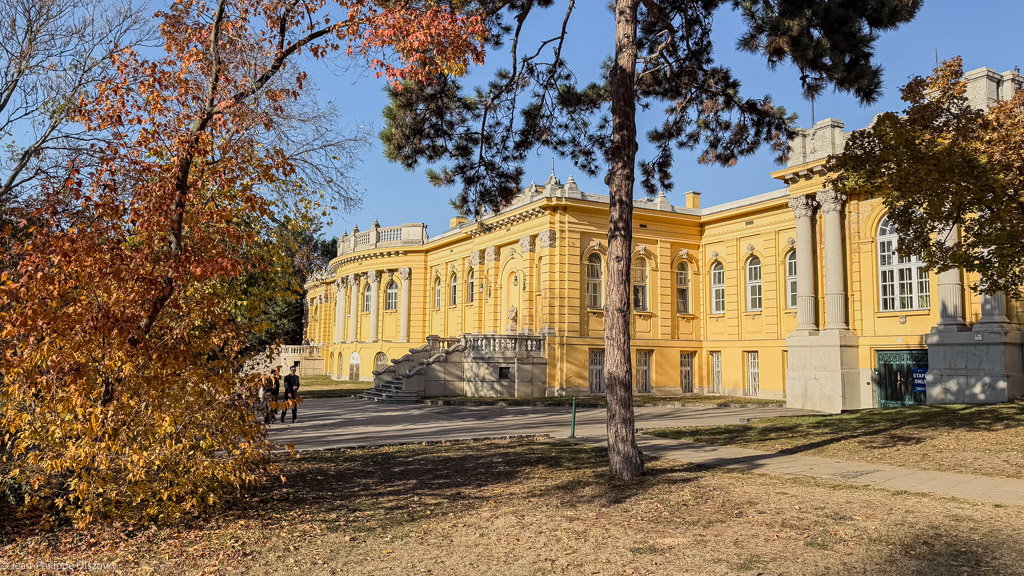
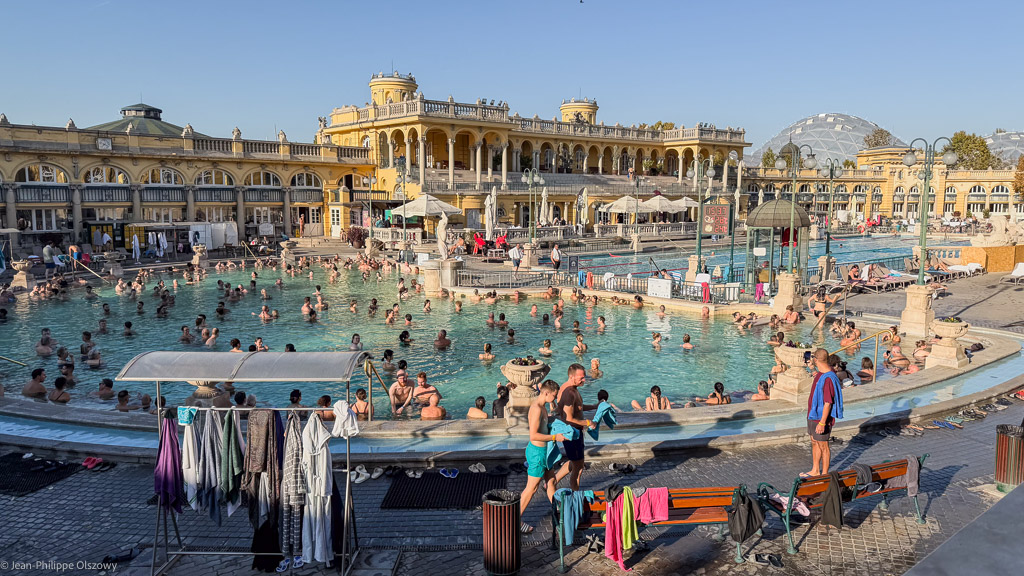
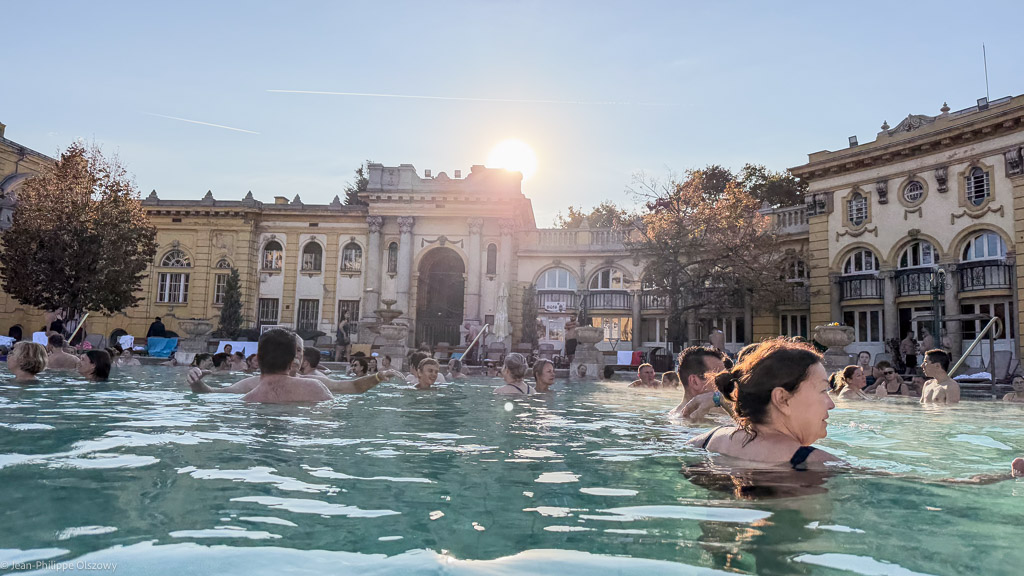
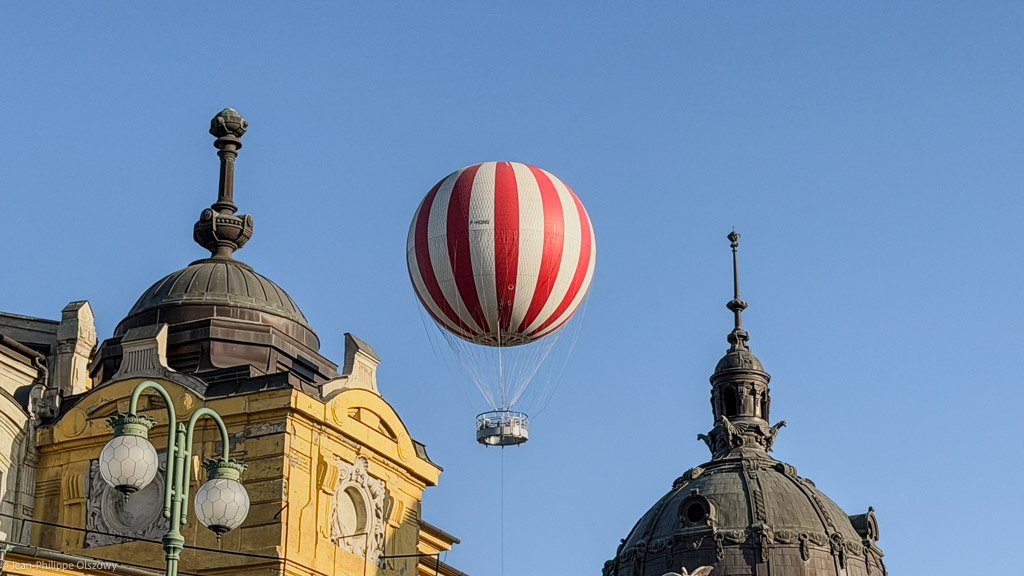
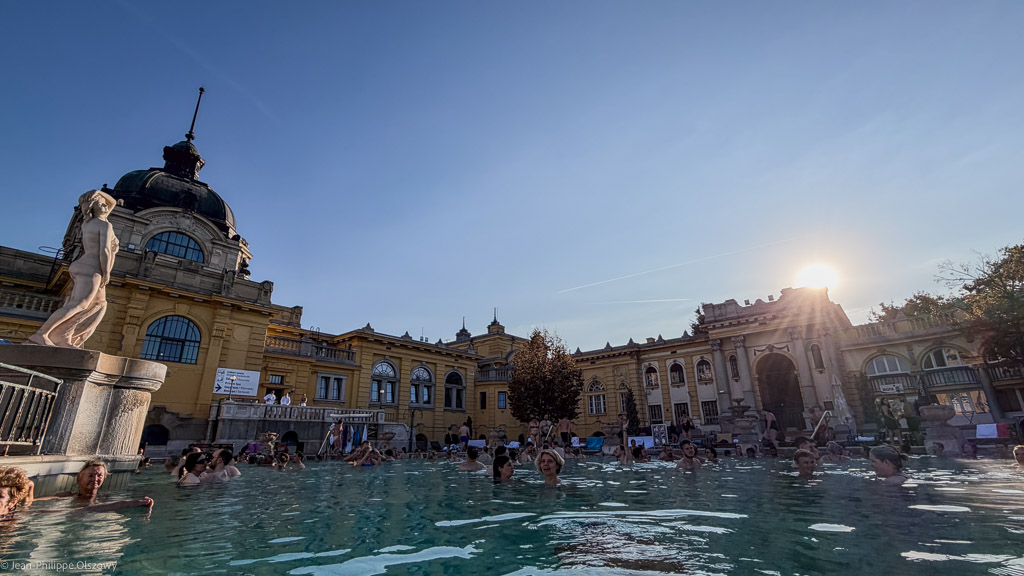
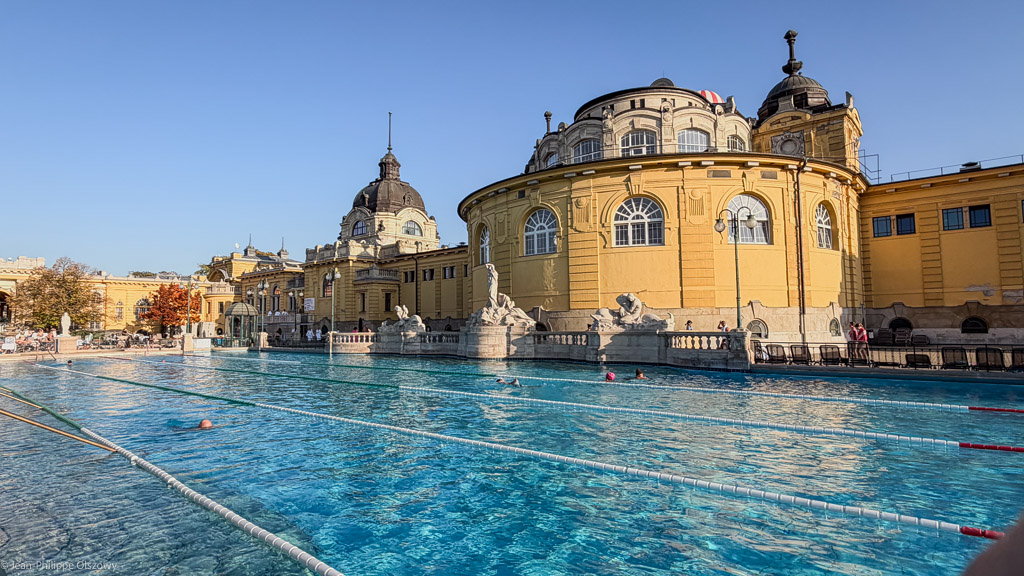
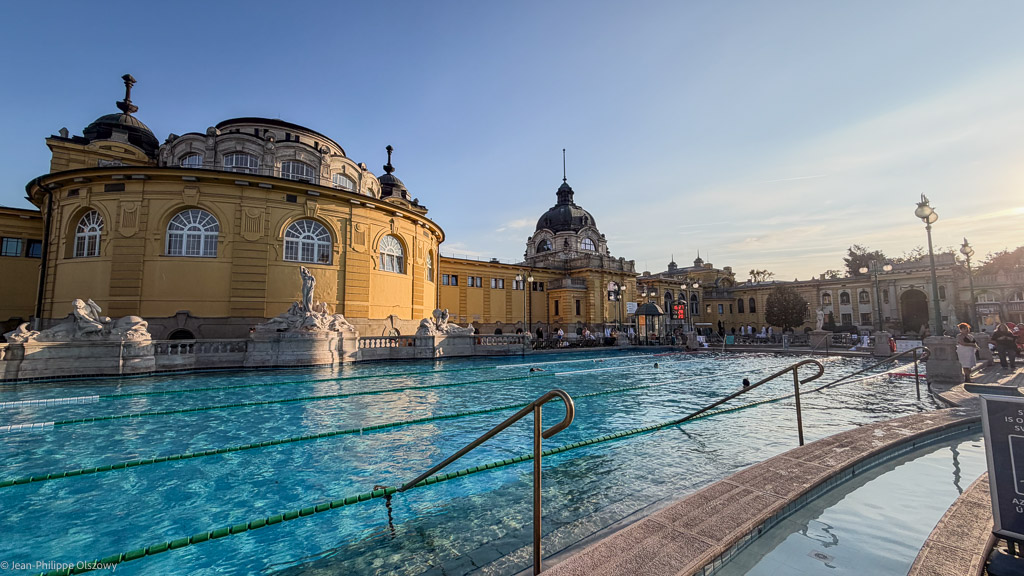
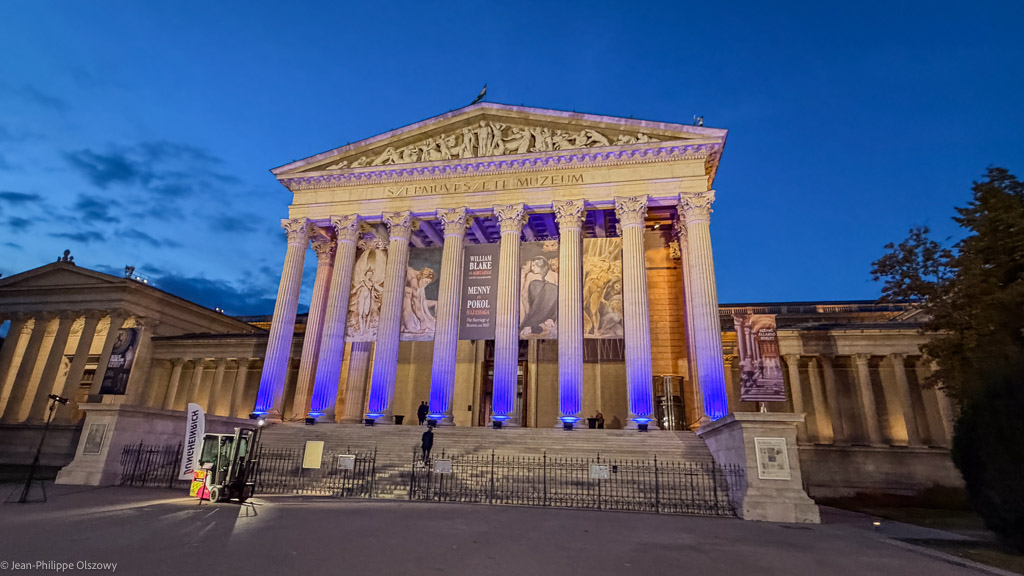
The visit, before boarding the Viking Gefjon, also included the central market and the unmissable and impressive Széchenyi baths.
Vieux-Brisach (from Basel to Amsterdam)
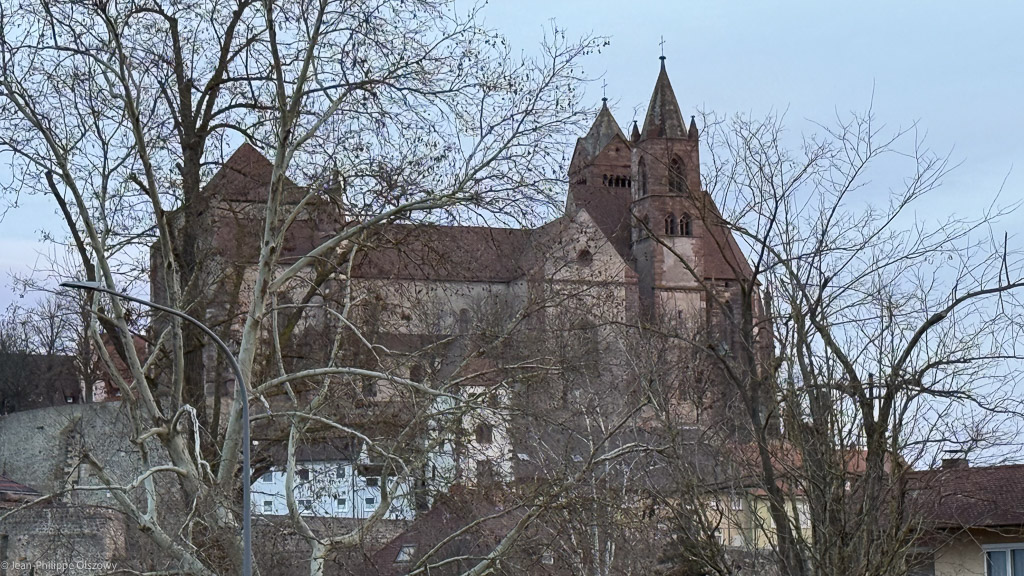



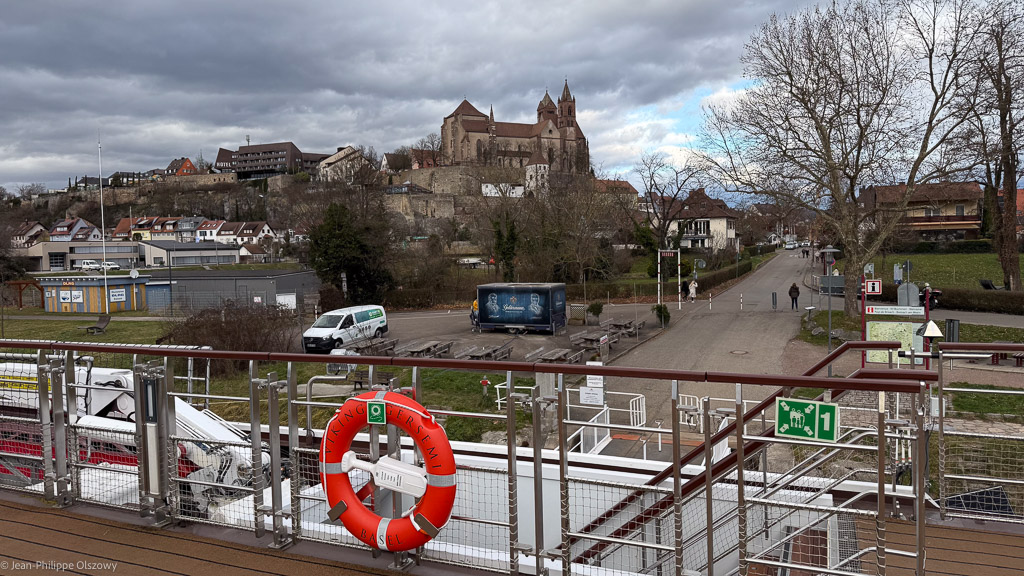
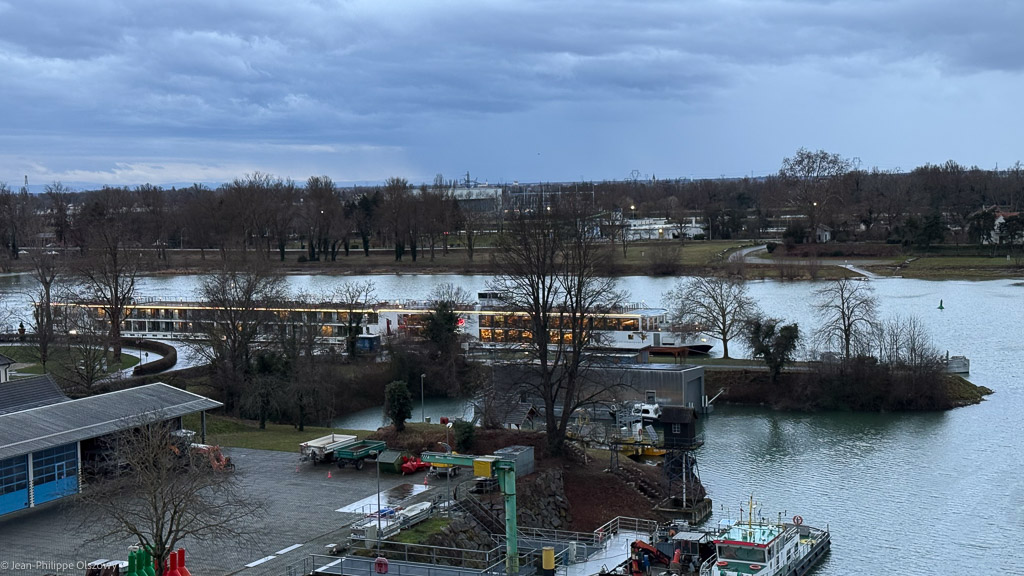
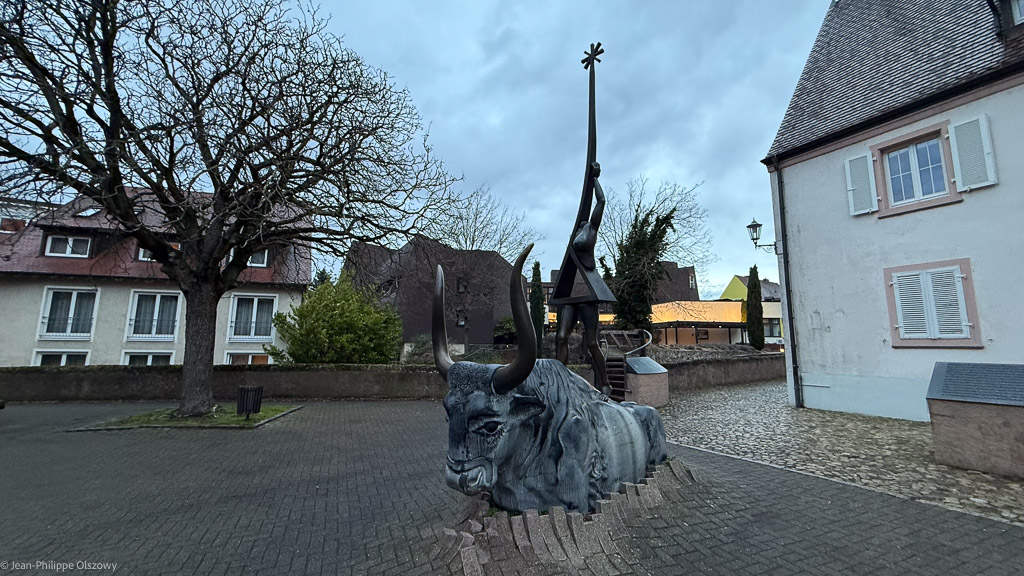

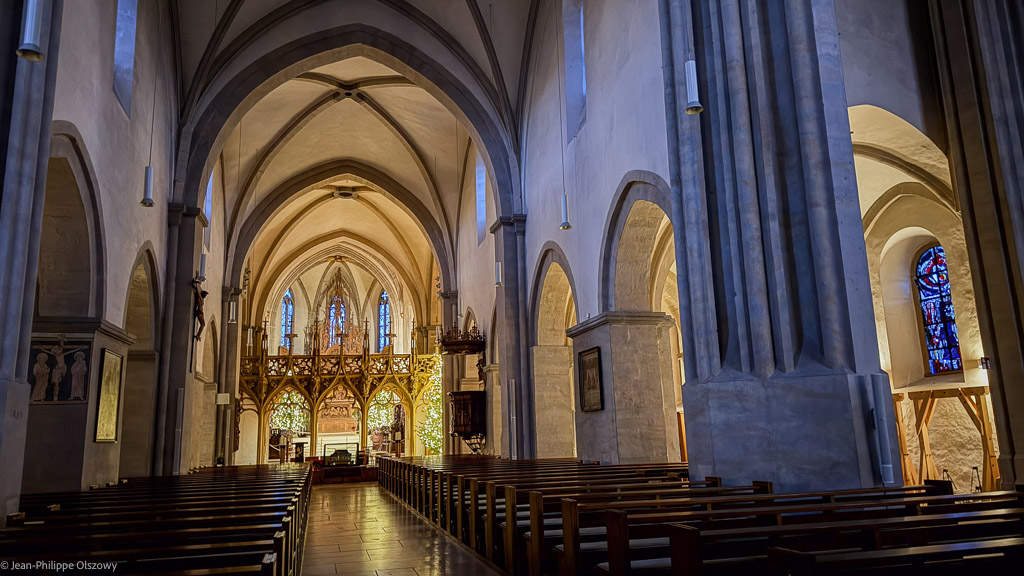
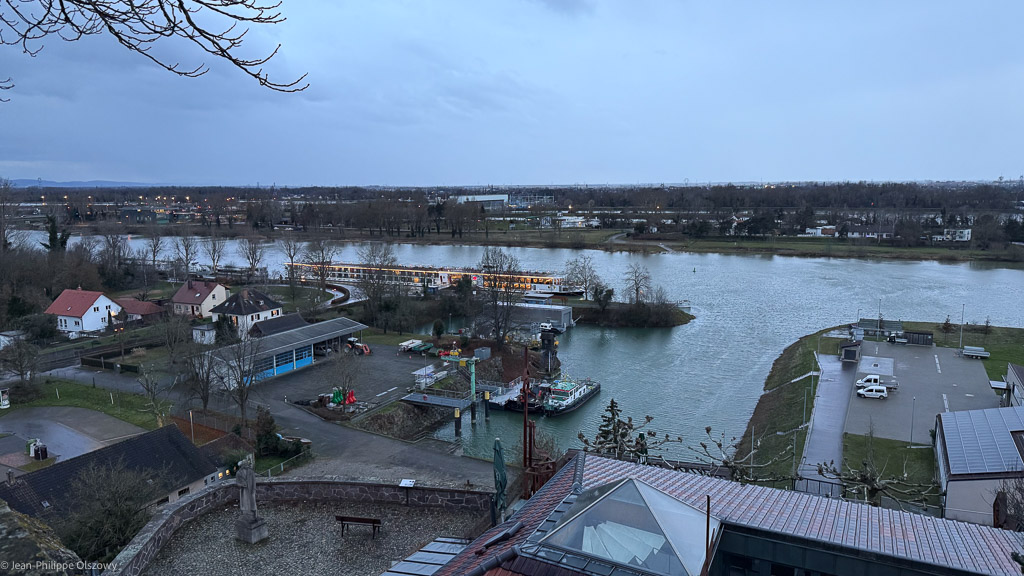
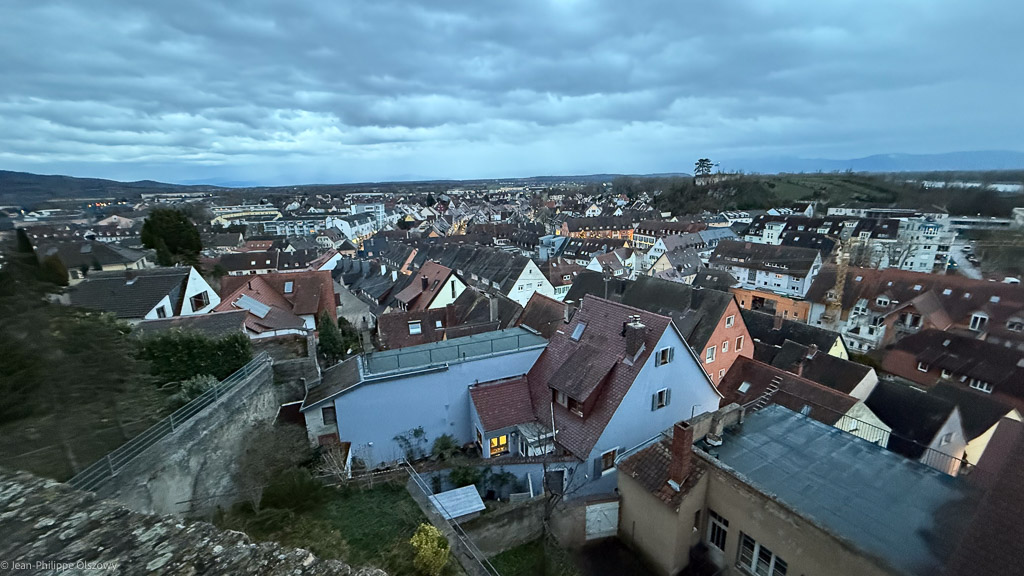
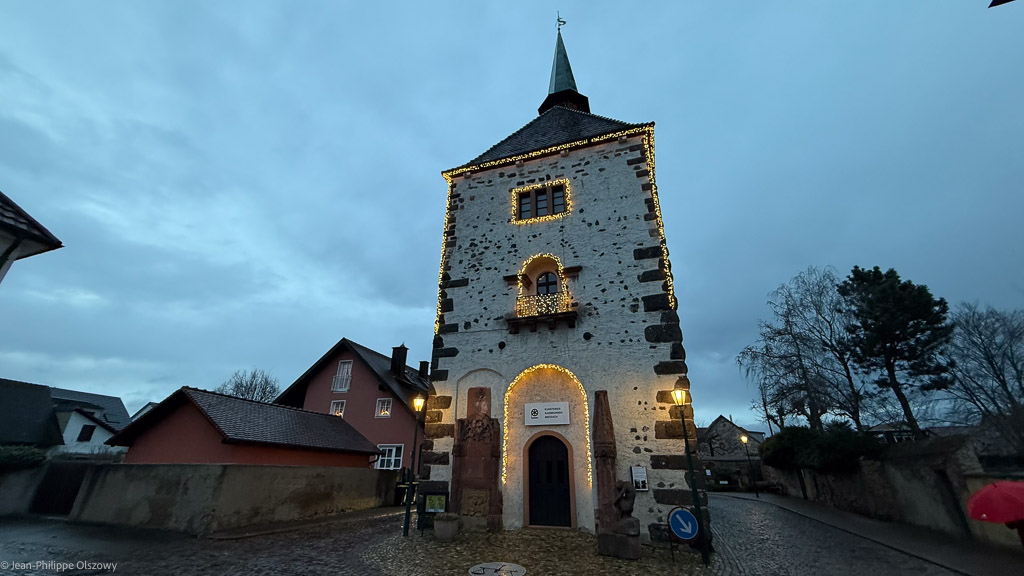
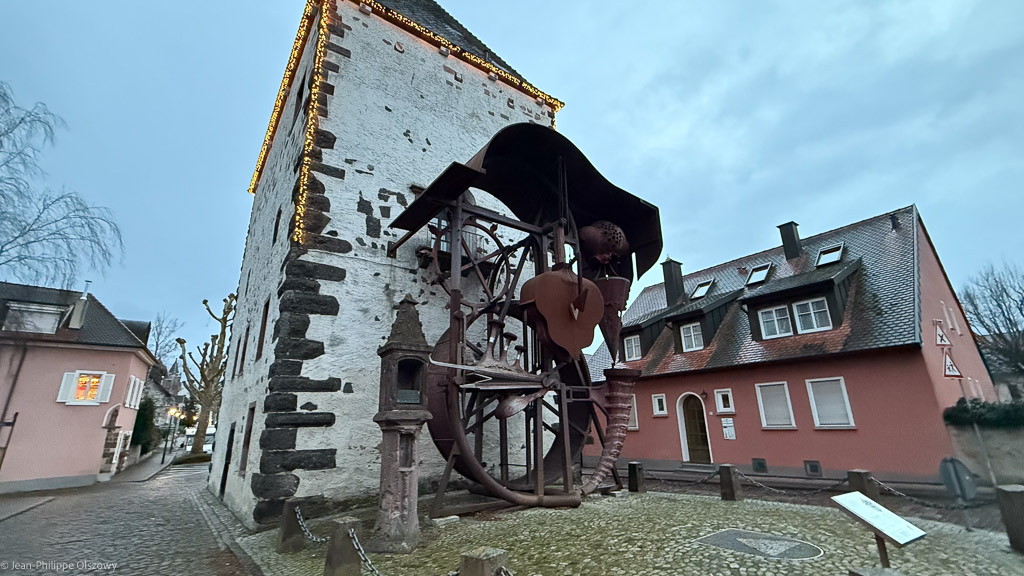
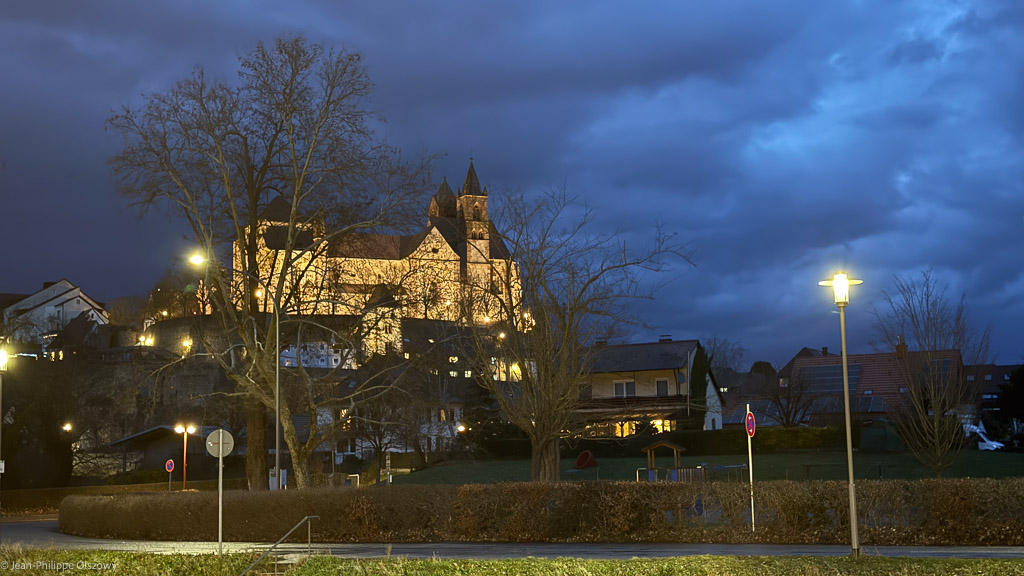
Perched on a hill overlooking the Rhine, Breisach has long occupied a strategic position between France and Germany. This location made it a coveted prize over the centuries, and the town frequently changed hands. After the Second World War, it was almost entirely destroyed. The old town that can be seen today was therefore largely rebuilt, but it has retained its historical landmark: St. Stephen’s Cathedral, which continues to dominate the Rhine plain and the surrounding vineyards.
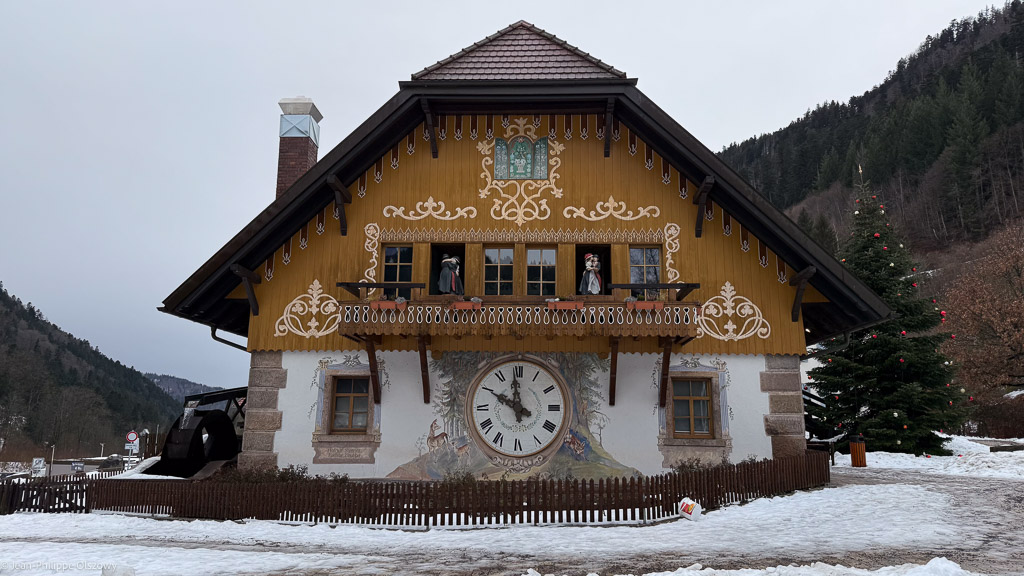
Today’s excursion took us to a cuckoo clock factory in the heart of the Black Forest, where we were able to taste the famous cake of the same name.
Strasbourg (from Basel to Amsterdam)
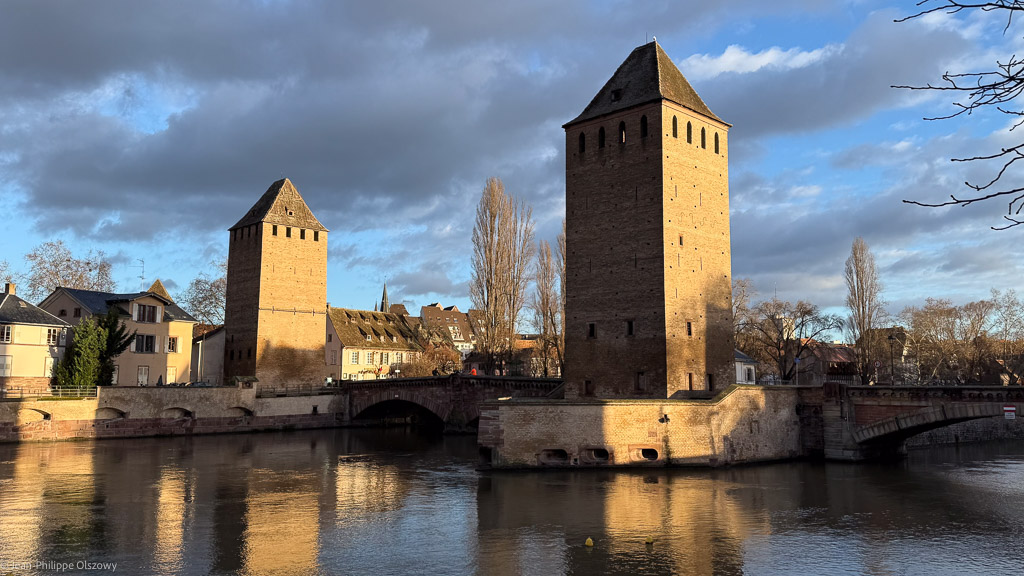
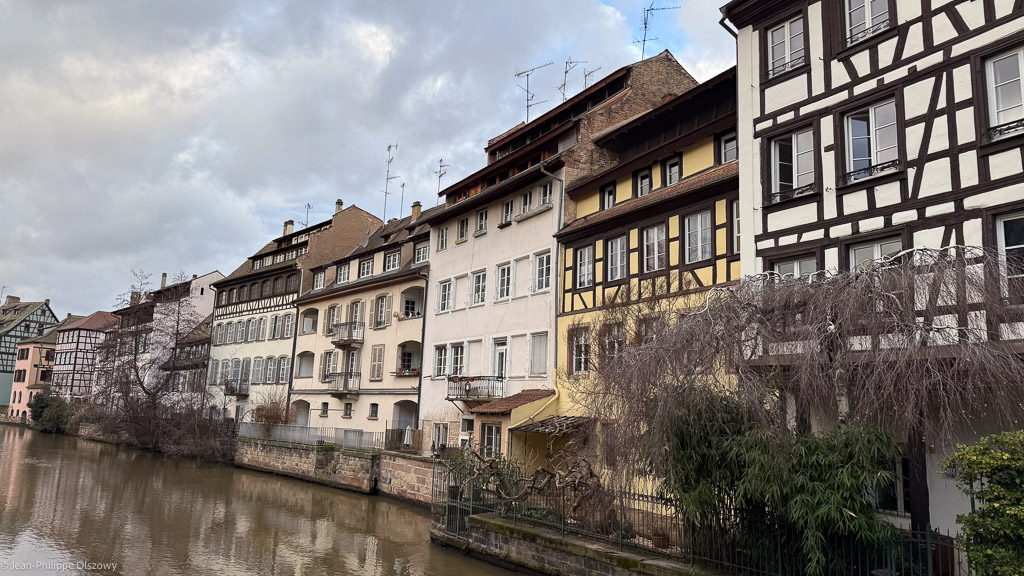
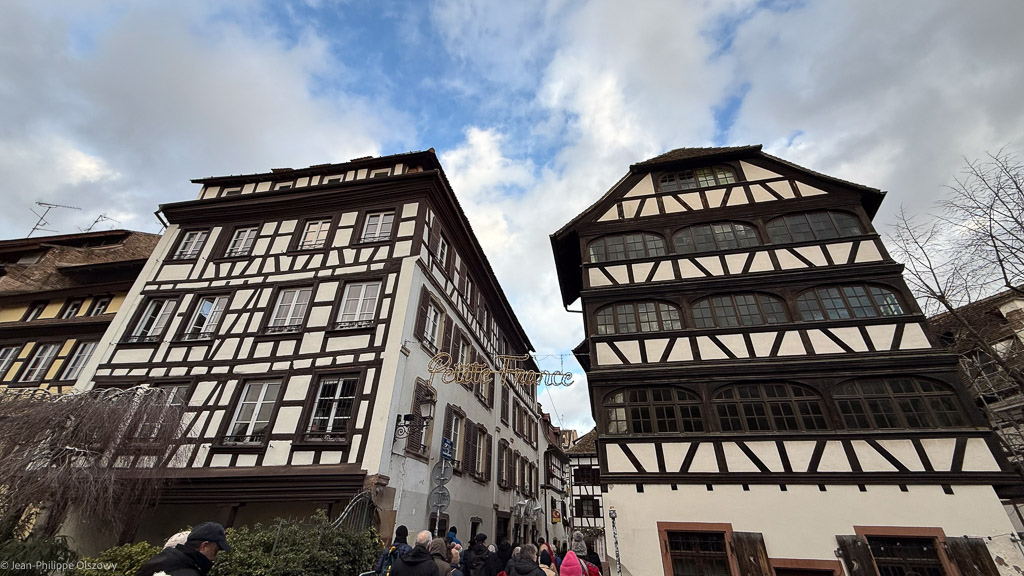
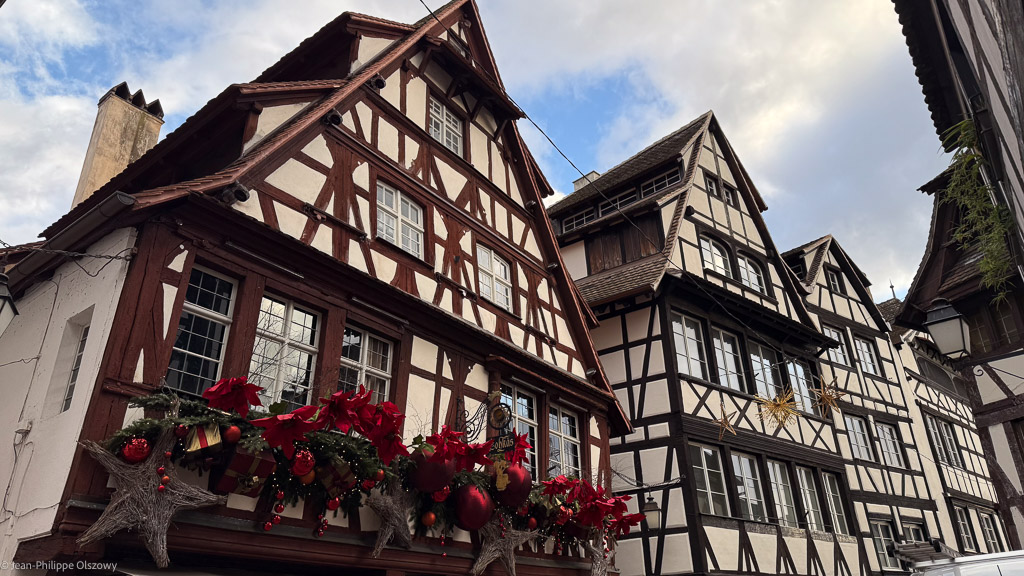
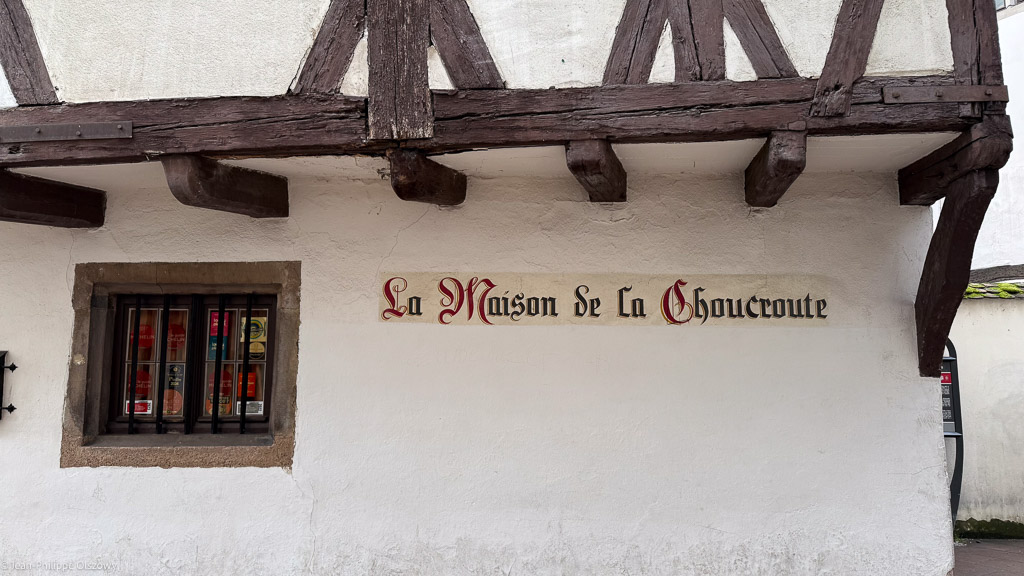
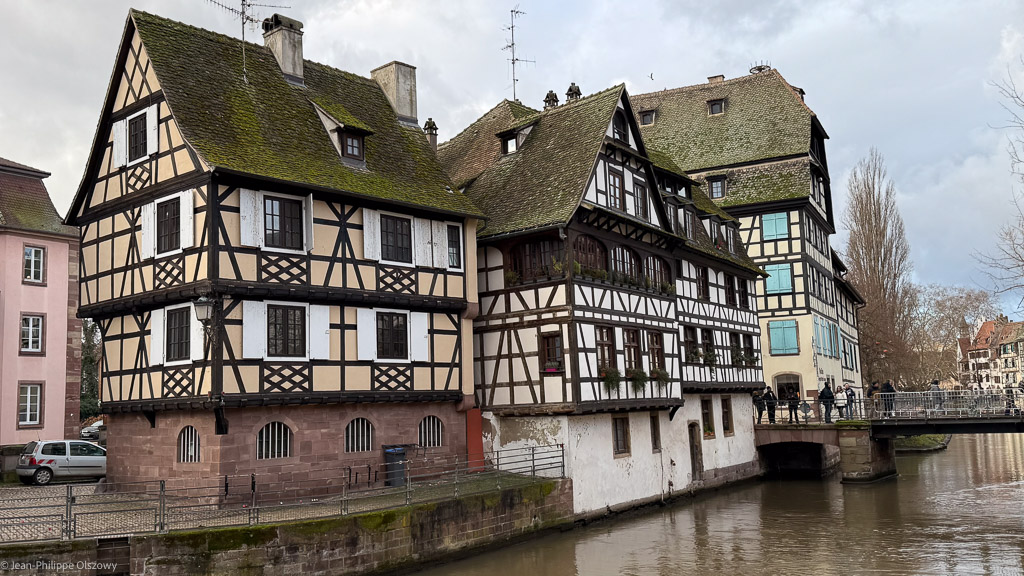
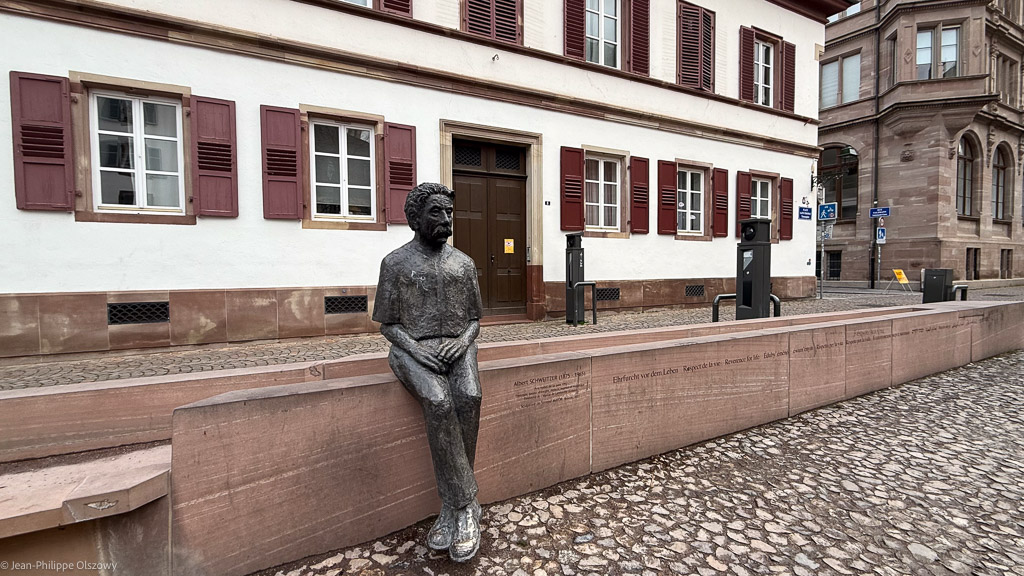
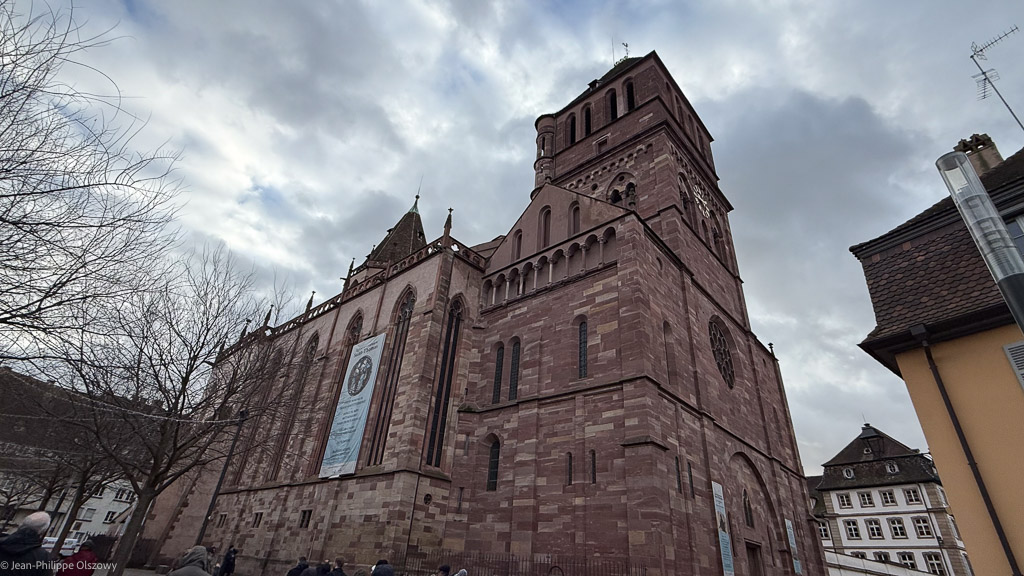
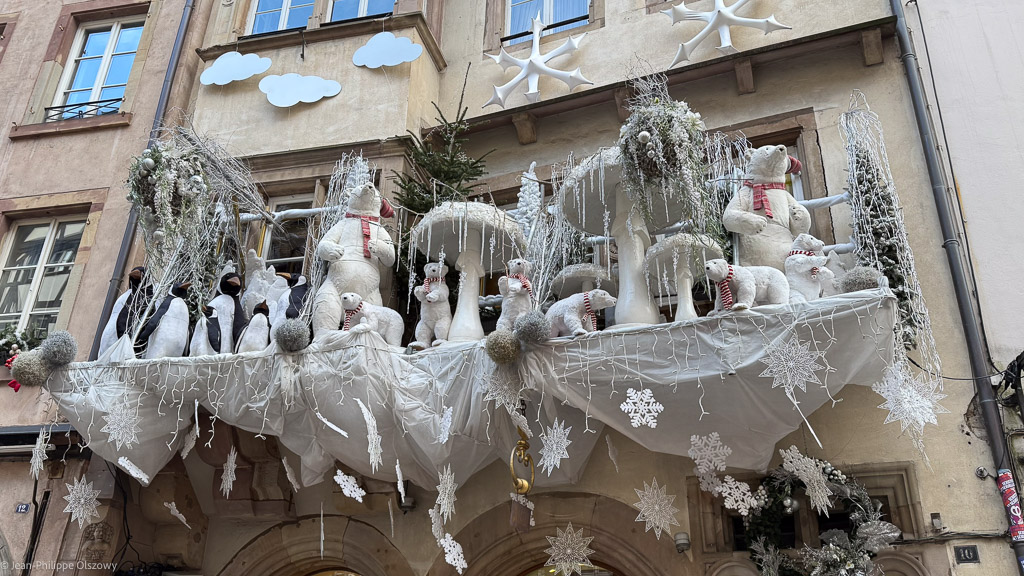
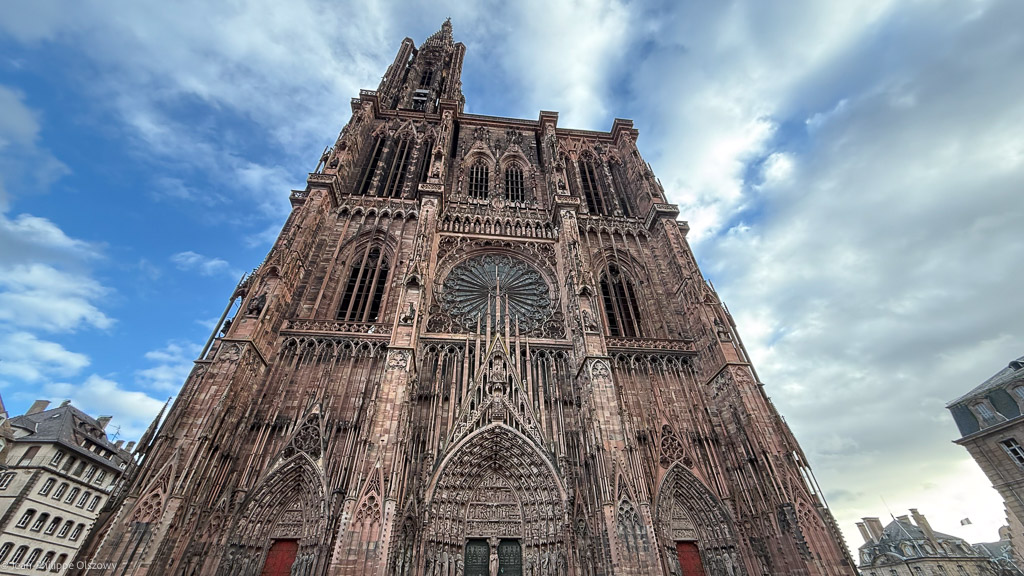
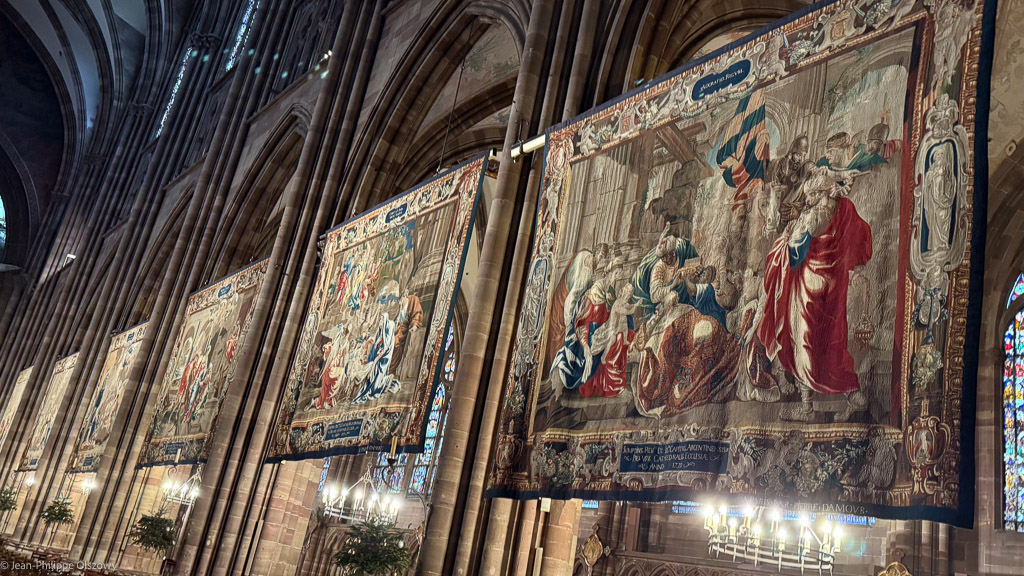
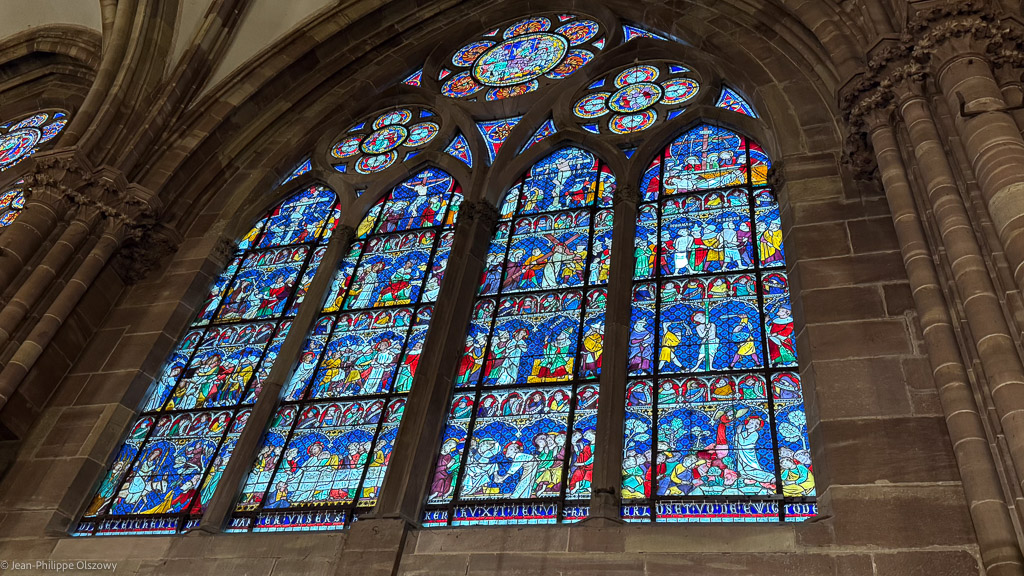
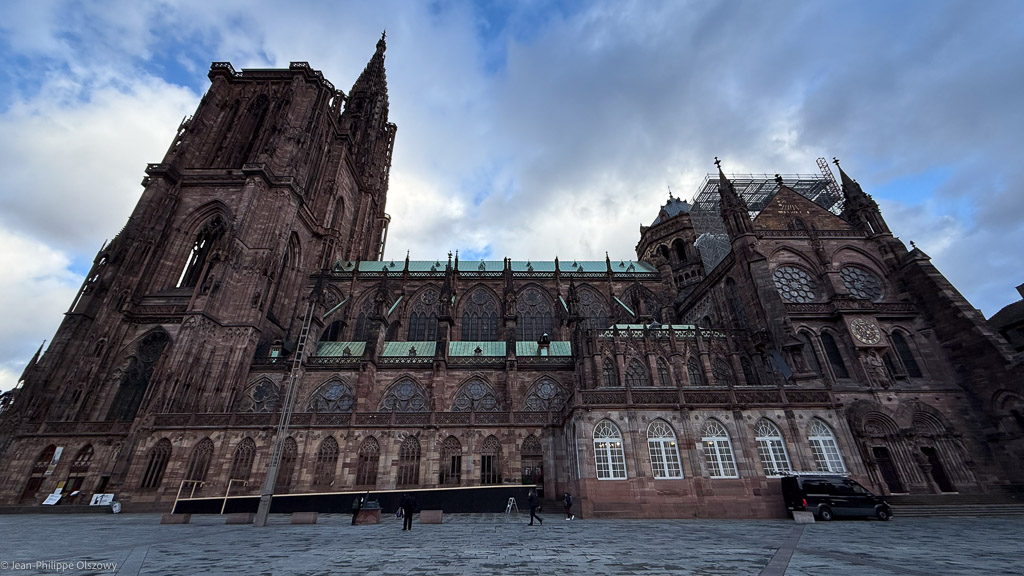
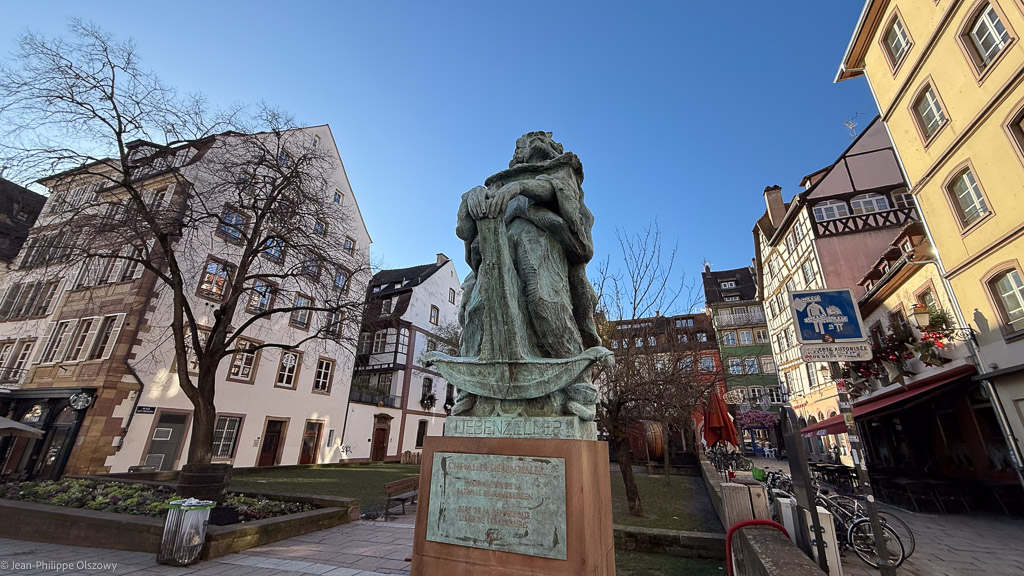
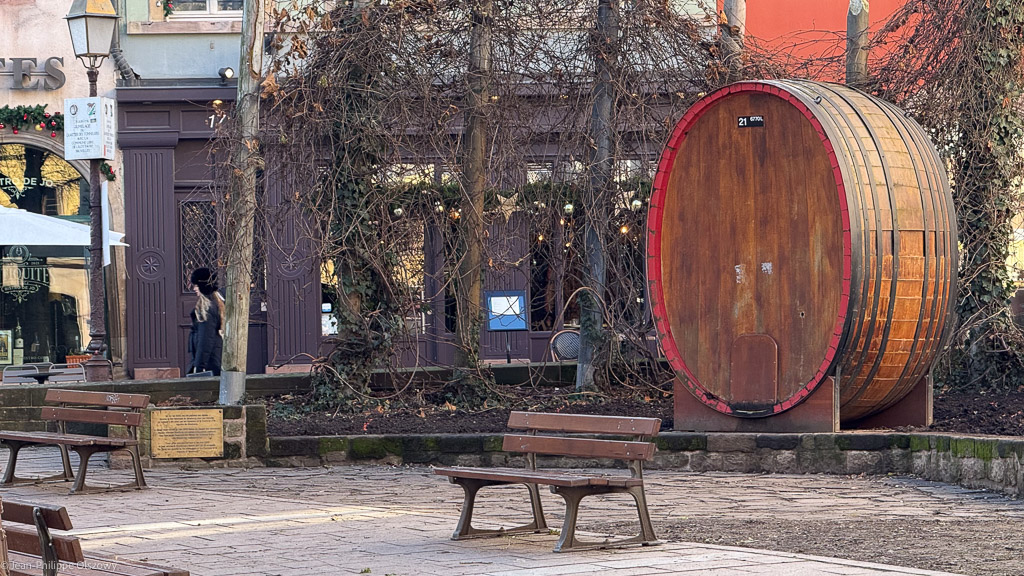
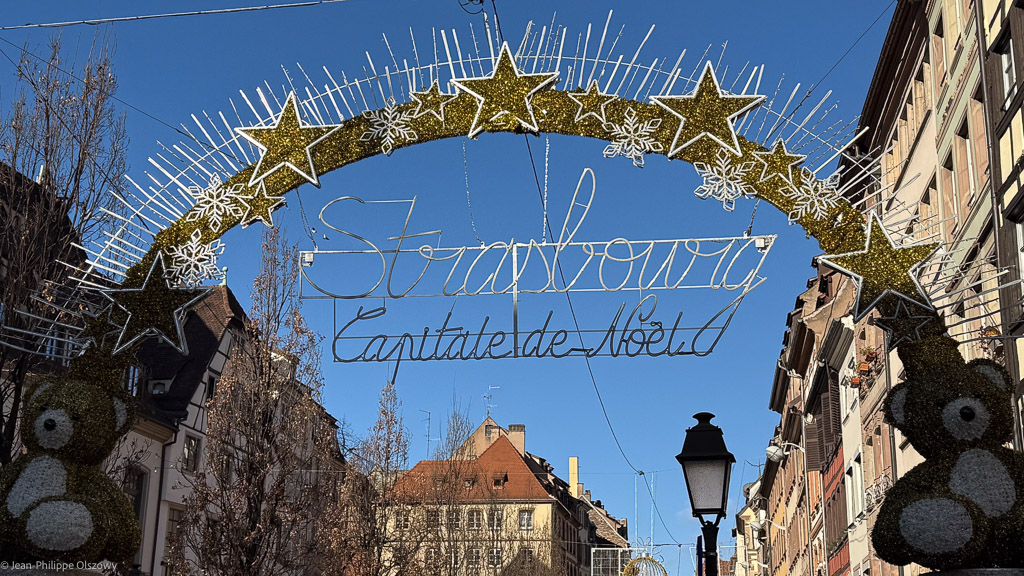
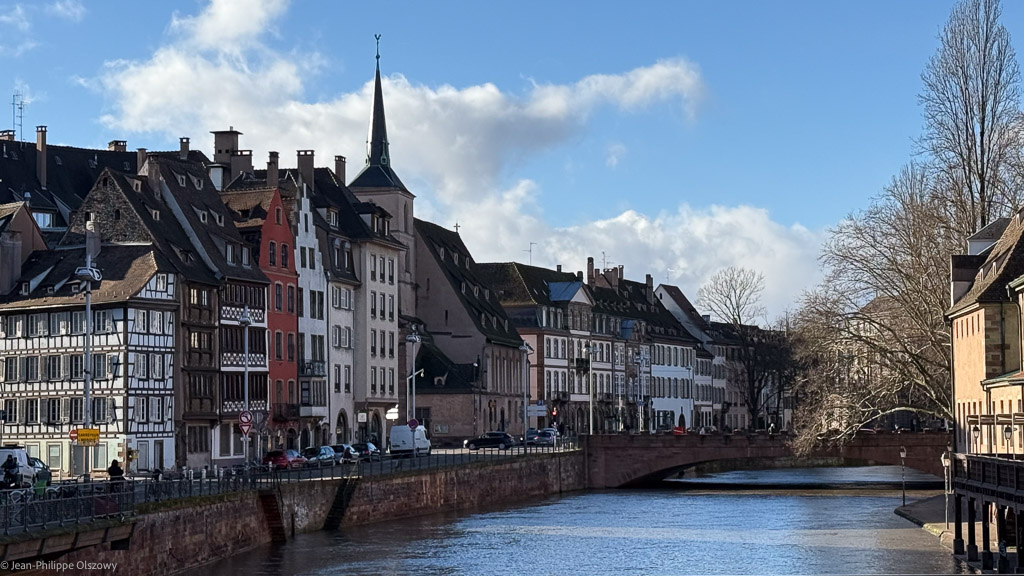
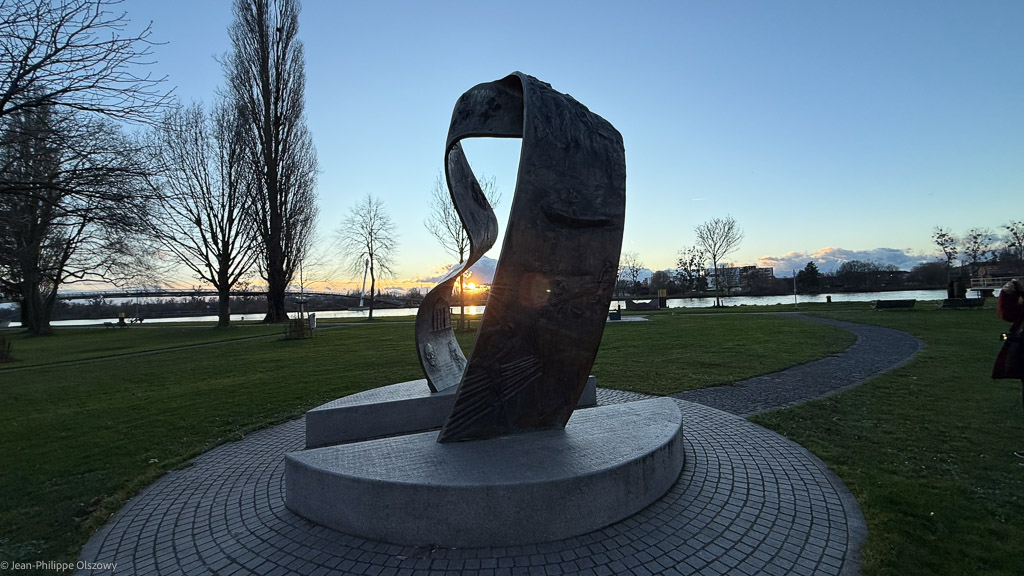
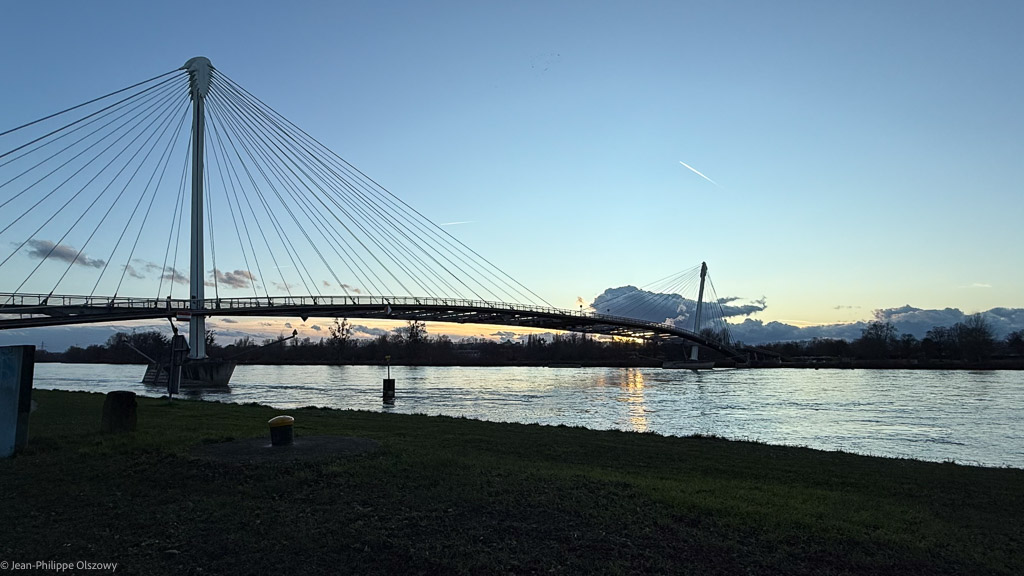
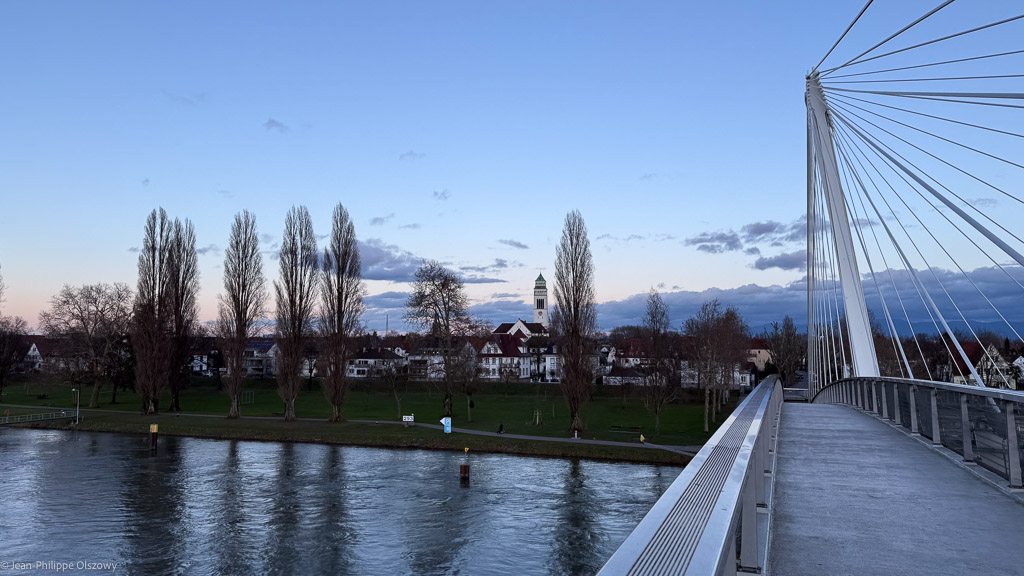
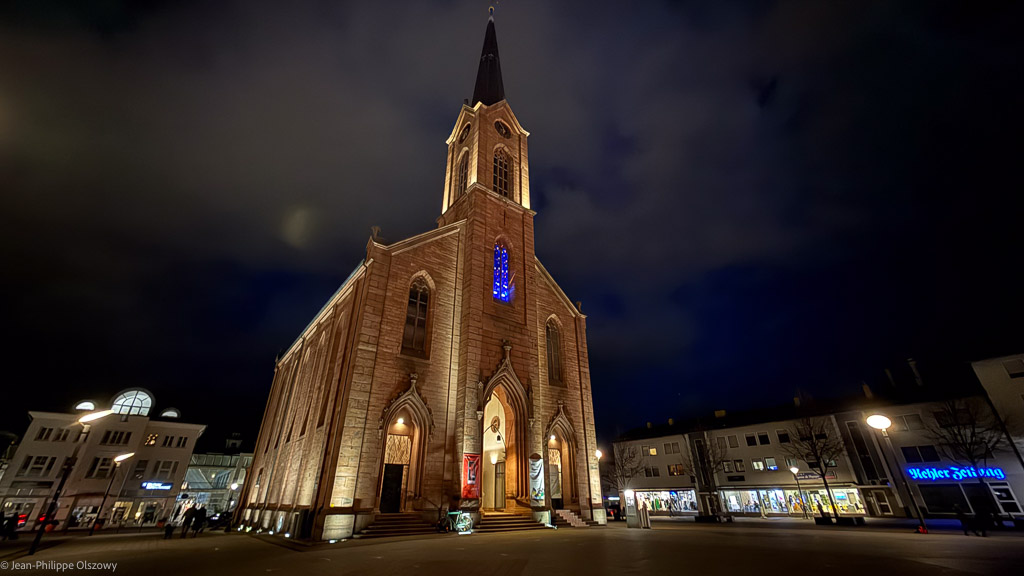
In Strasbourg, the cathedral seems to appear unexpectedly around every corner. For over two centuries, its unique pink sandstone spire made it the tallest building in the world, from 1647 to 1874. Victor Hugo described it as a “prodigy of the gigantic and the delicate.” And when you look up at the sculpted facade or the spire that dominates the entire city, you easily understand why.
The Petite France district is now one of the most photogenic in the city, with its canals and half-timbered houses. Yet, its name was anything but romantic originally. In the 16th century, it housed a hospice where soldiers suffering from the “French disease,” as syphilis was then known, were treated. The district has retained this somewhat unusual name, even though the atmosphere there is much more peaceful today than in the past.
Heidelberg (from Basel to Amsterdam)
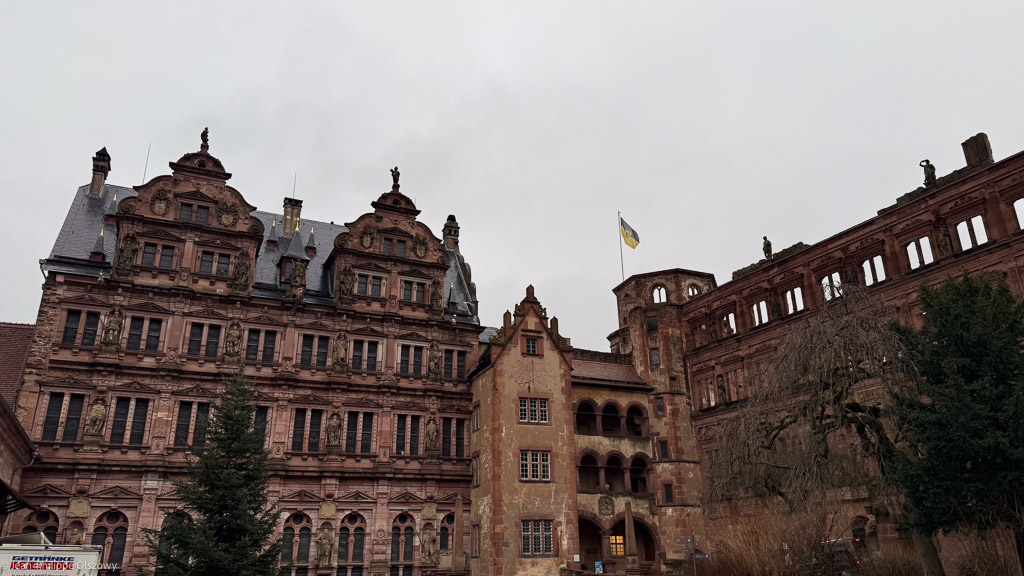
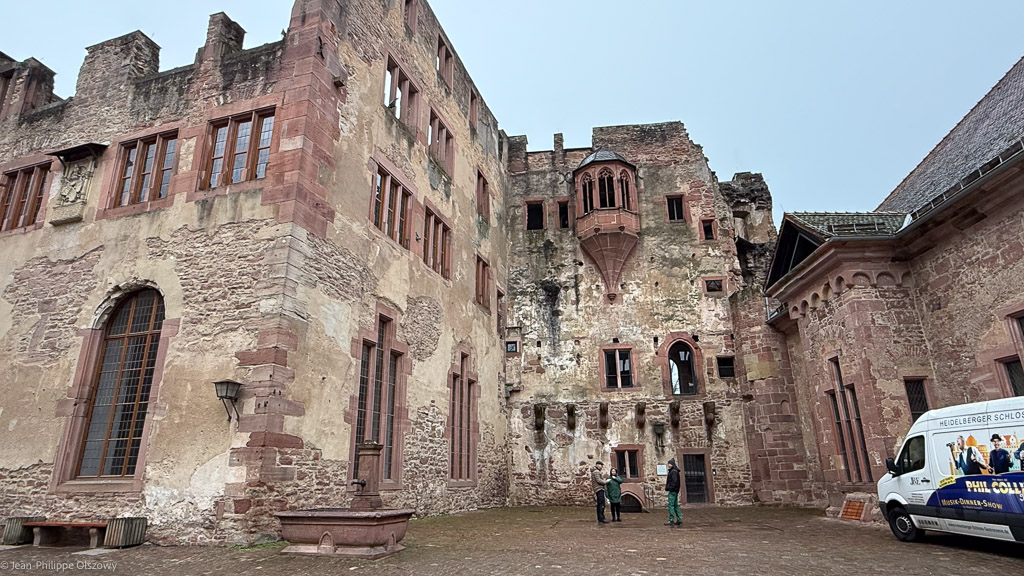
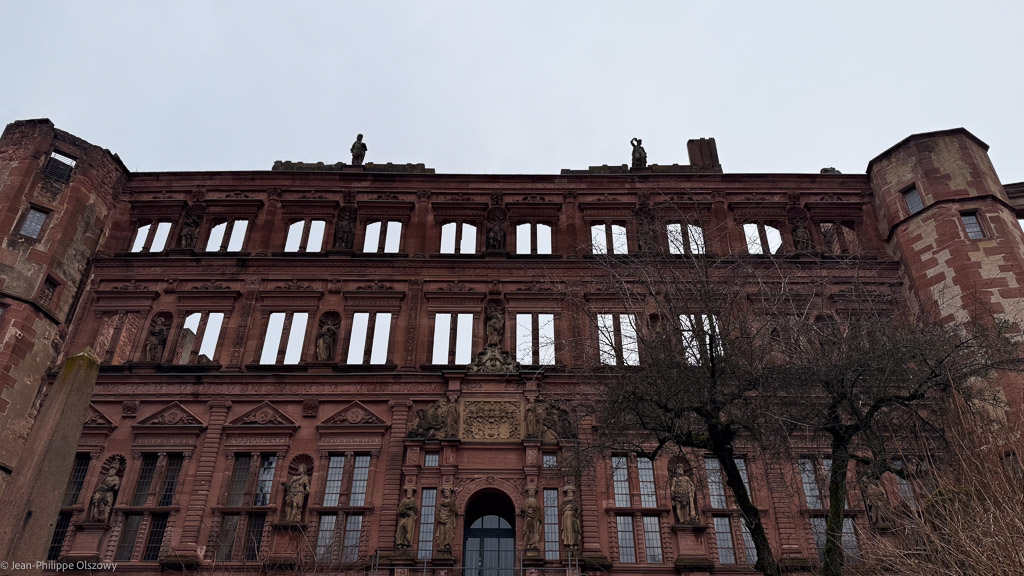
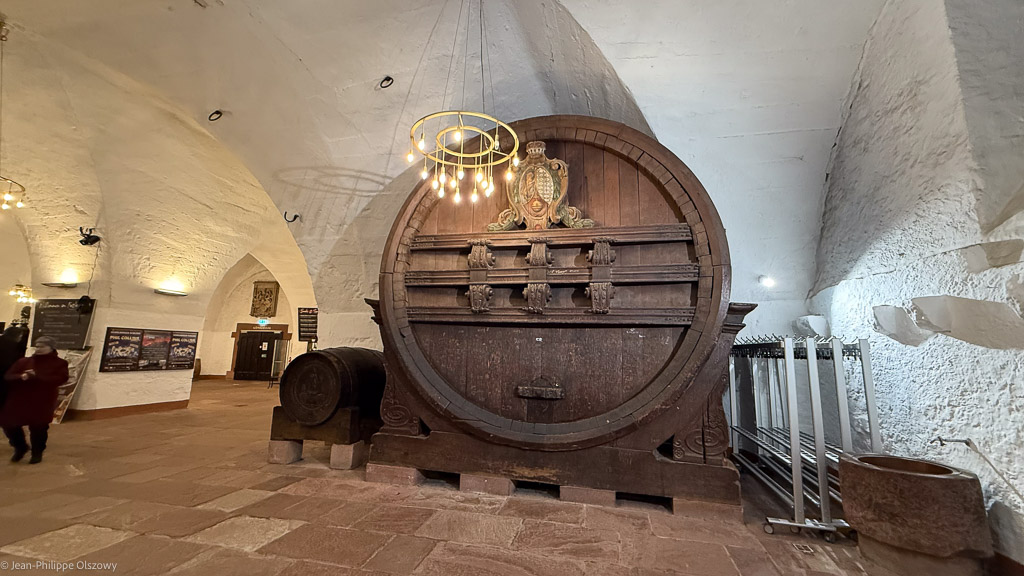
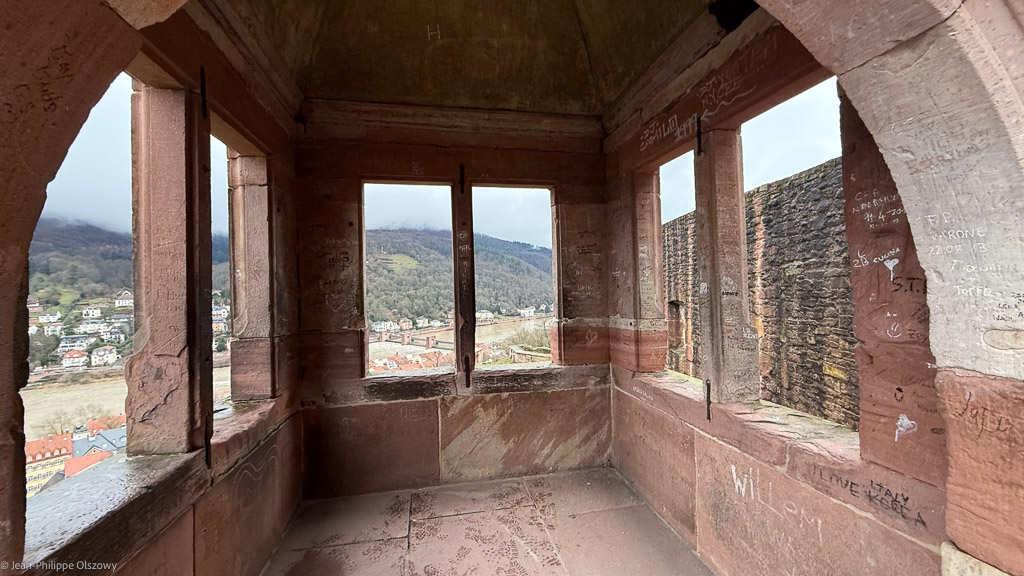
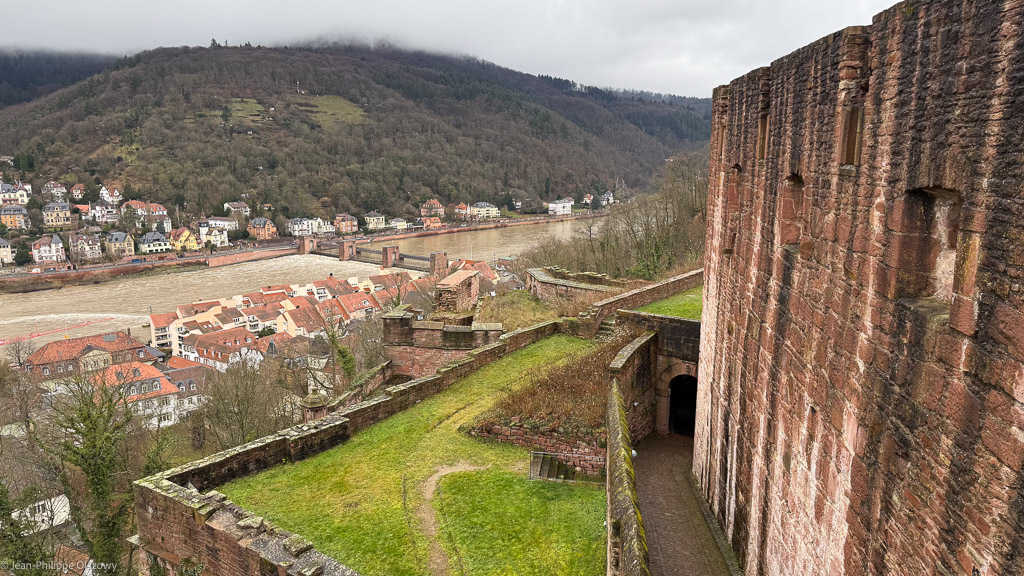
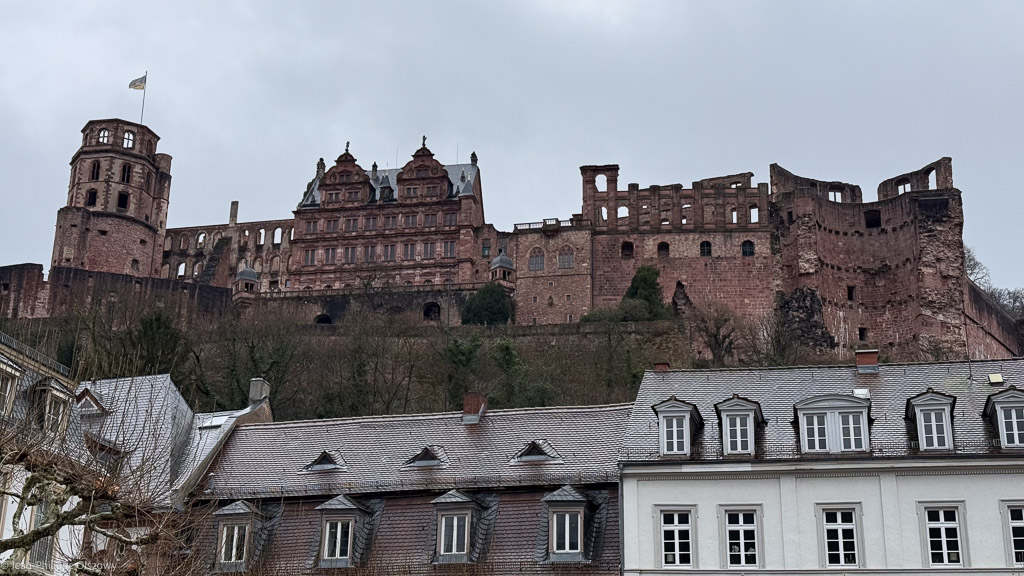
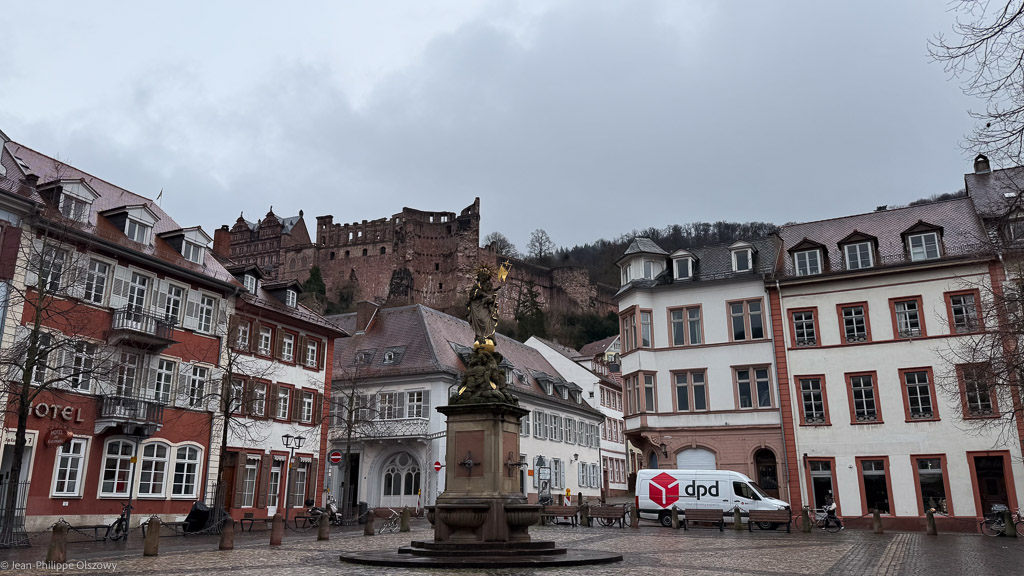
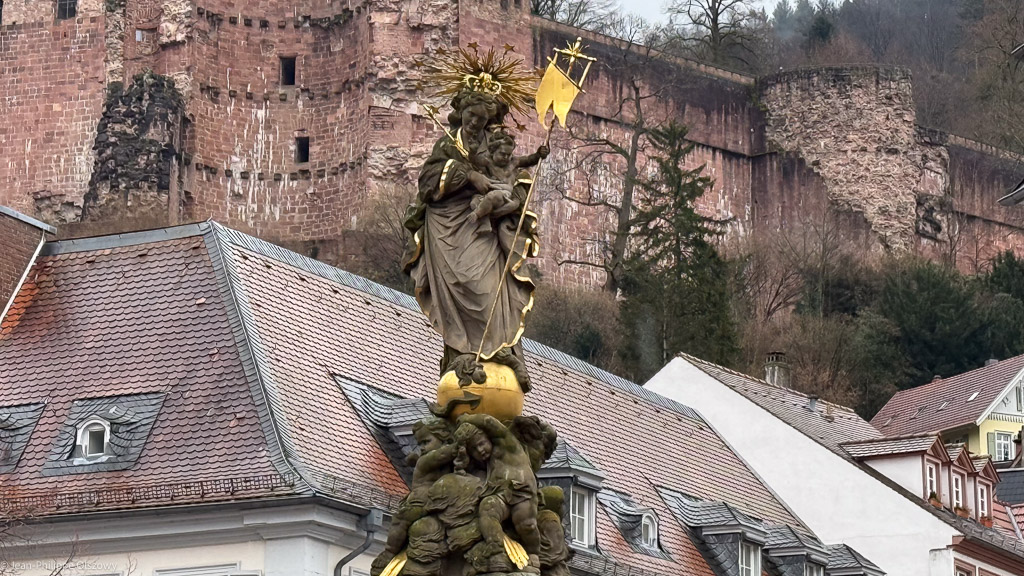
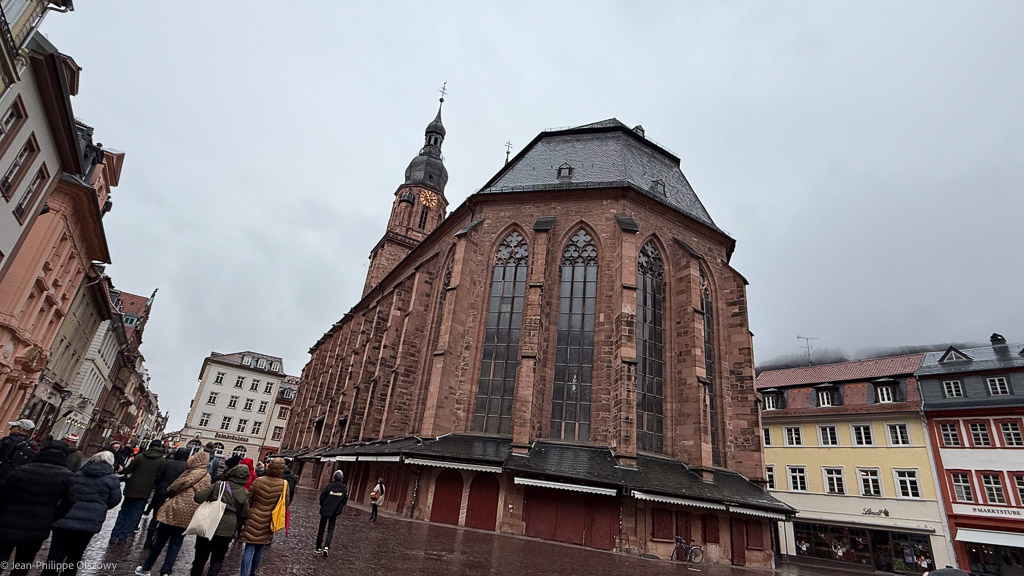
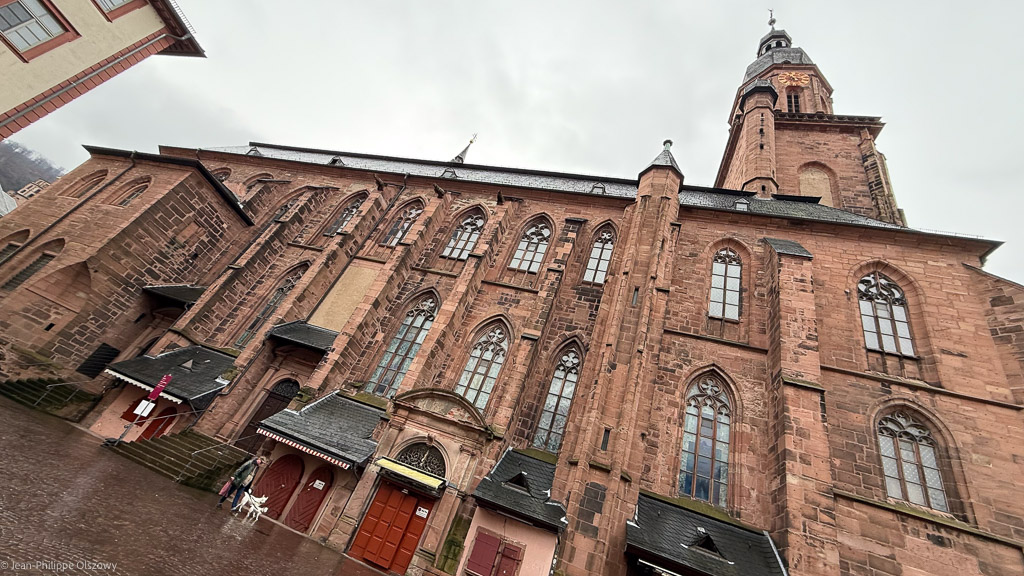
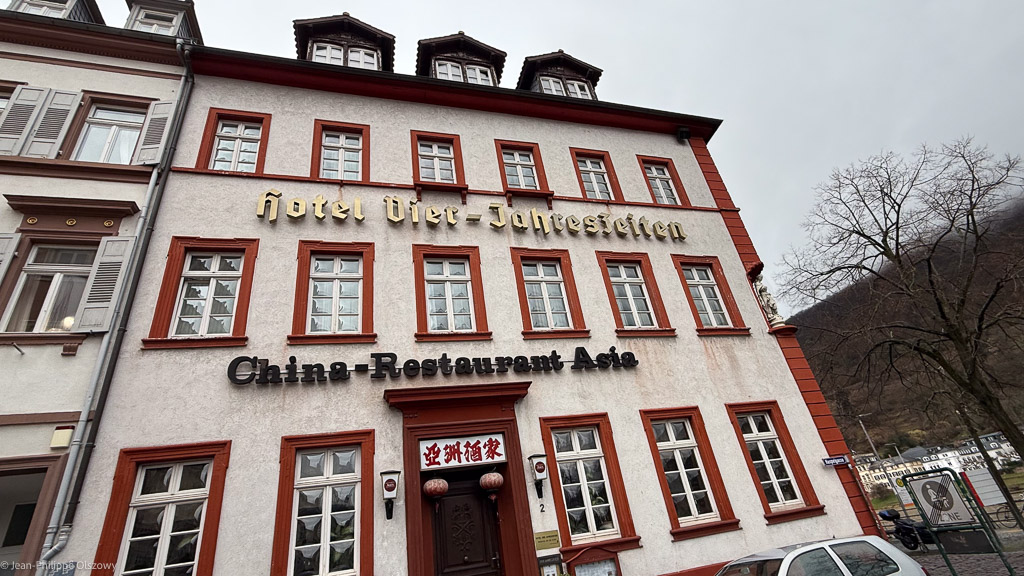
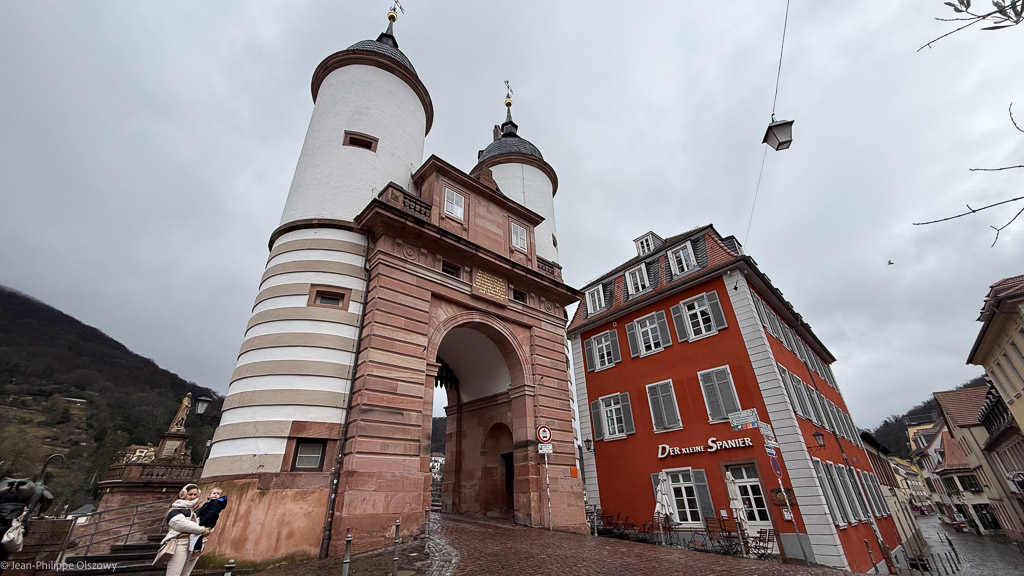
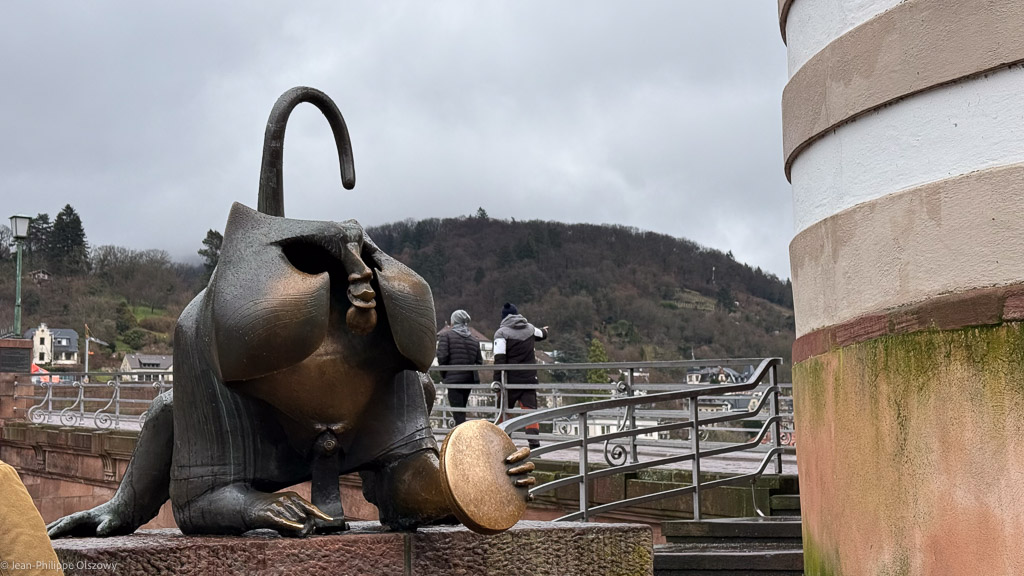
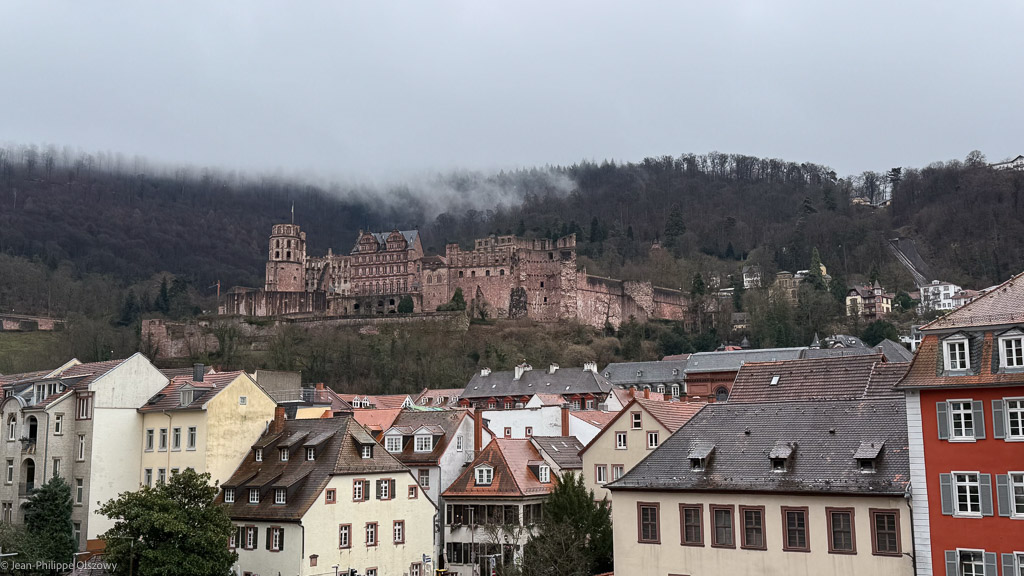
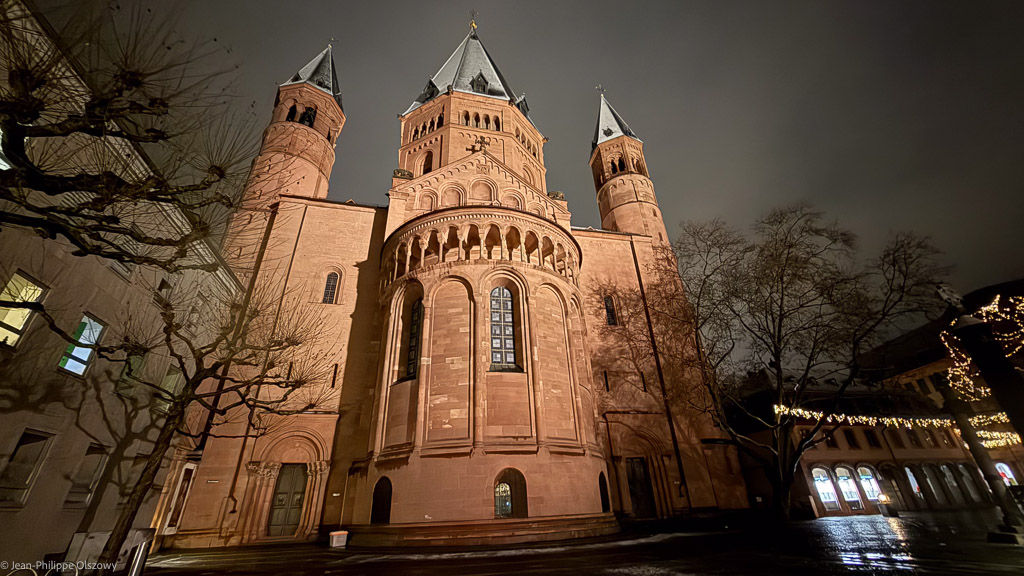
In Heidelberg, the ruined castle that overlooks the city is one of the most famous in Germany. Built of red sandstone above the Neckar River, it was for a long time the residence of the Electors of the Palatinate. But in the 17th century, Louis XIV’s troops blew it up during the wars against the Palatinate. Since then, it has never been fully rebuilt. Its spectacular ruins have instead become one of the city’s romantic symbols.
Mainz (from Basel to Amsterdam)
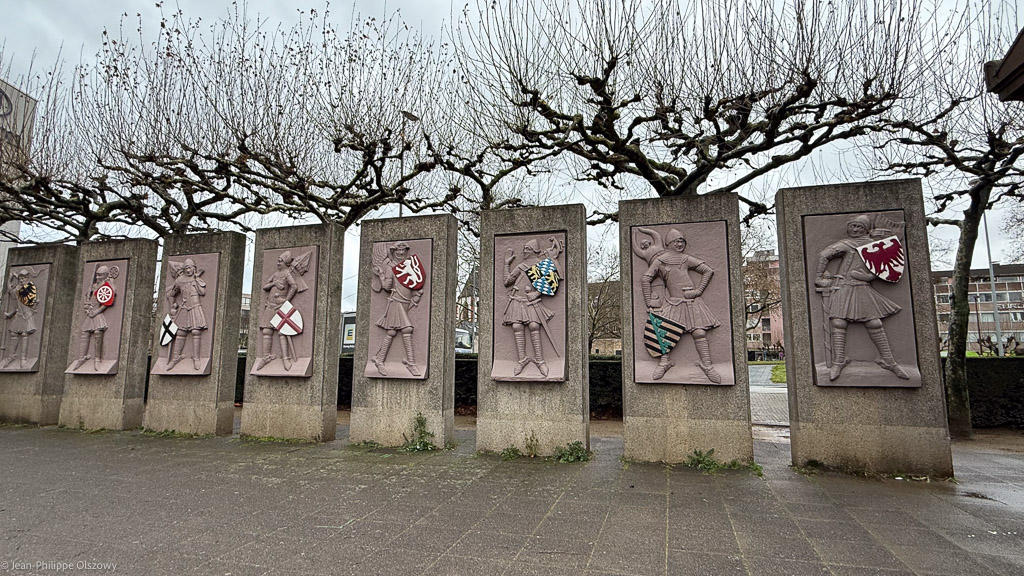
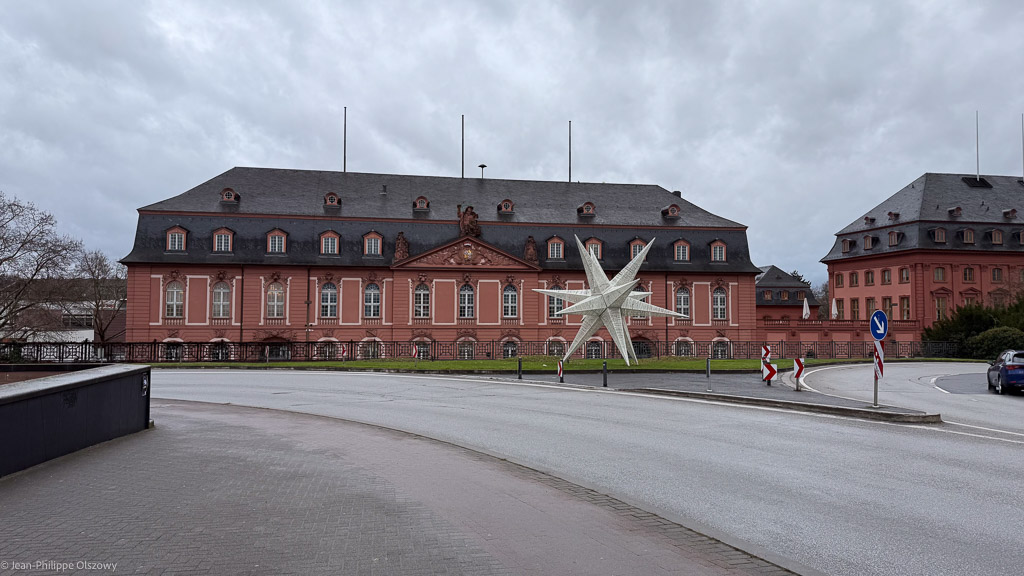
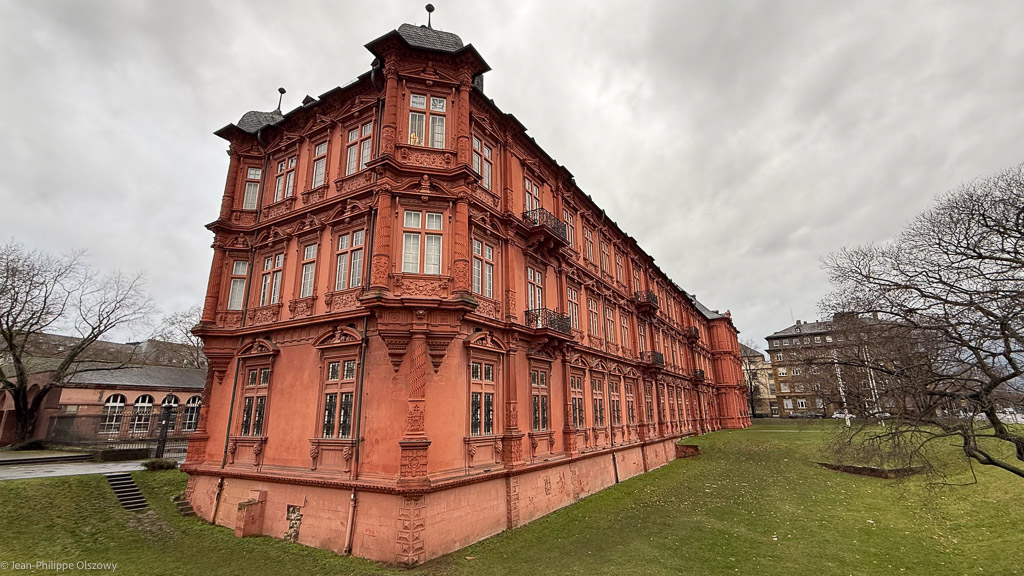
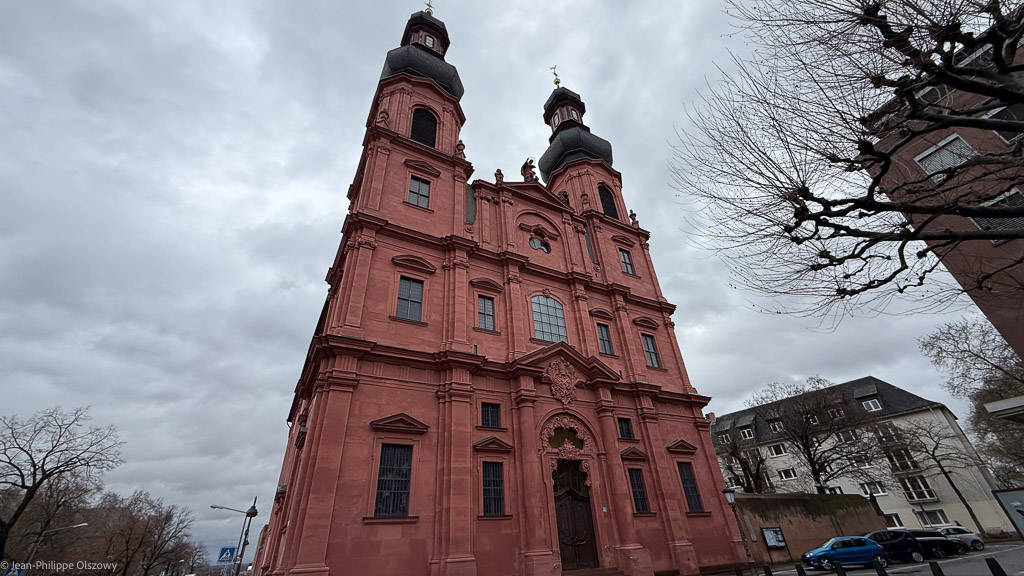
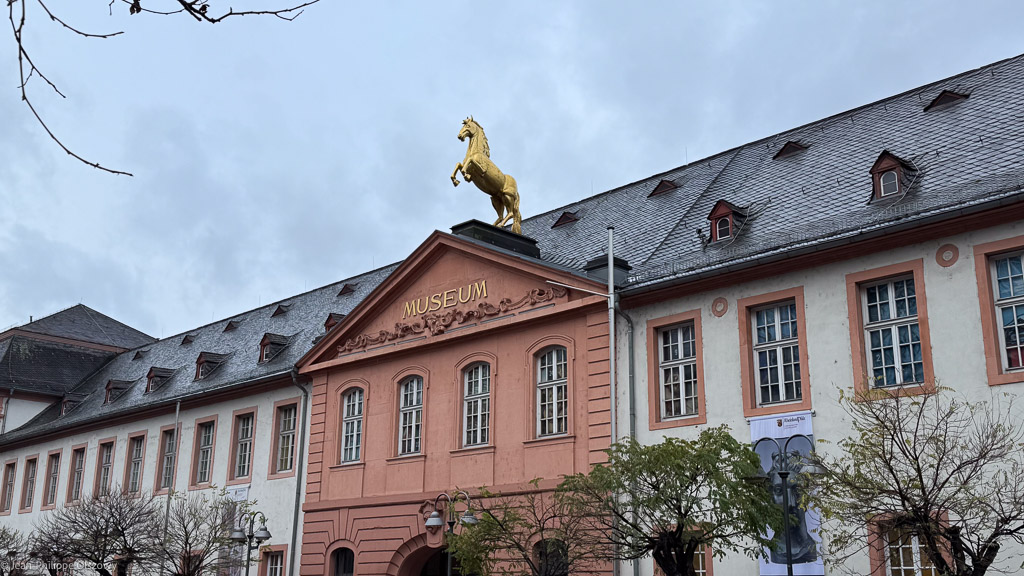
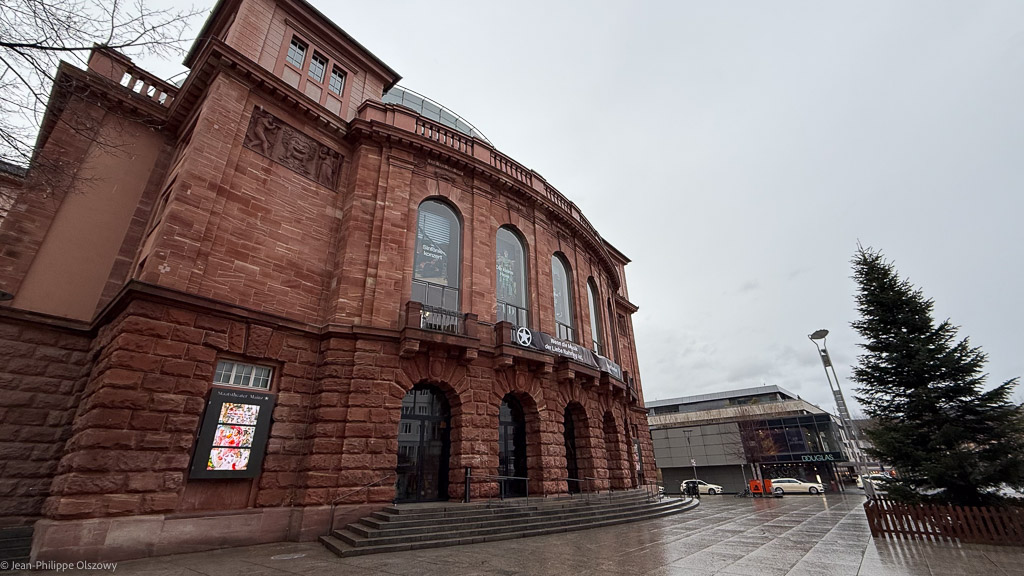
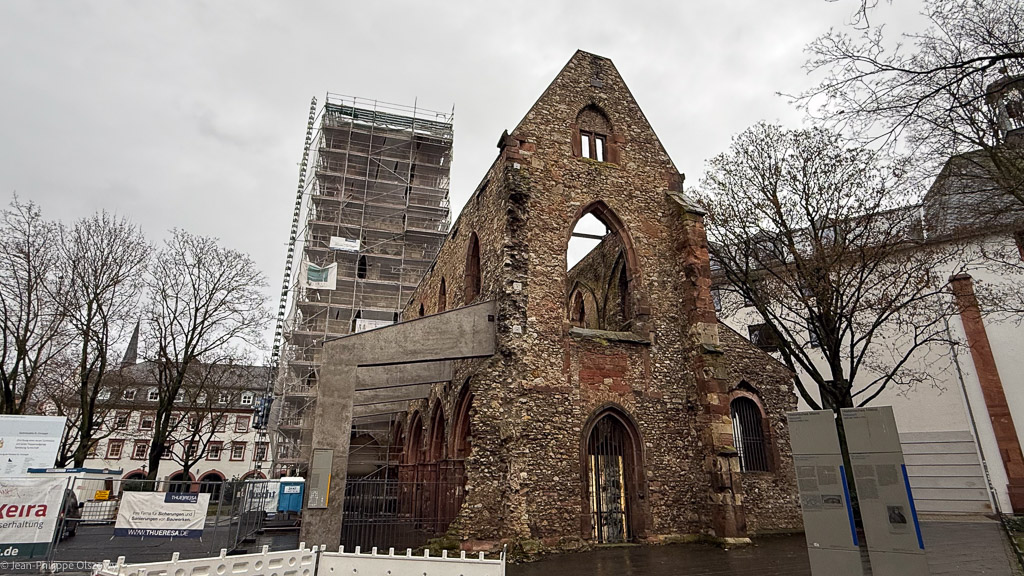
In Mainz, the history of the book took a decisive turn. It was here, in the mid-15th century, that Johannes Gutenberg perfected the printing press with movable type, an invention that would transform the dissemination of knowledge in Europe. The first major work to come out of his workshop, the famous Gutenberg Bible, marked the beginning of the printed age. Strolling through the squares of the historic center today, it’s amusing to think that one of the most important cultural revolutions in history began in this city on the banks of the Rhine.
Cologne (from Basel to Amsterdam and from Budapest to Amsterdam)
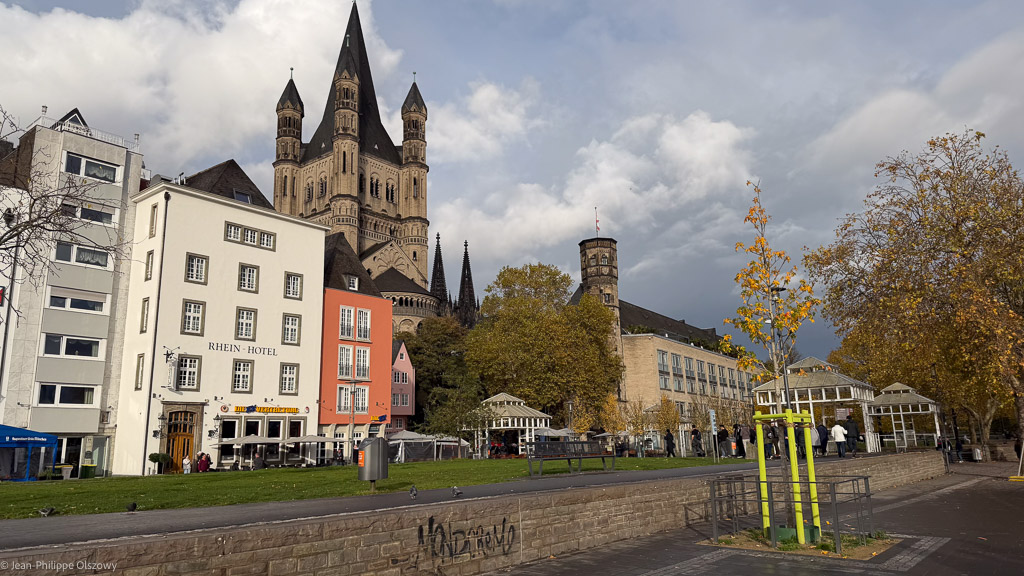
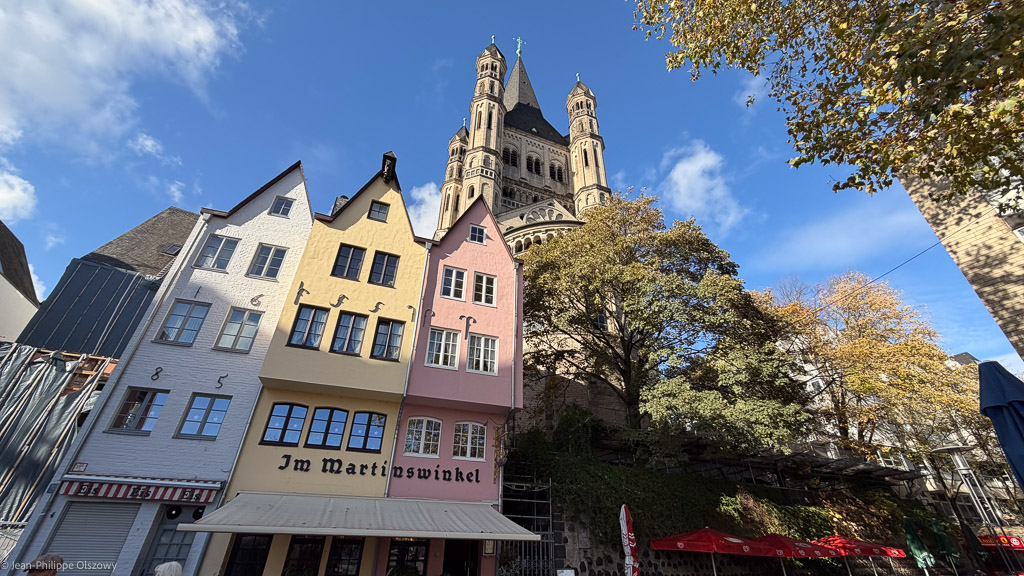
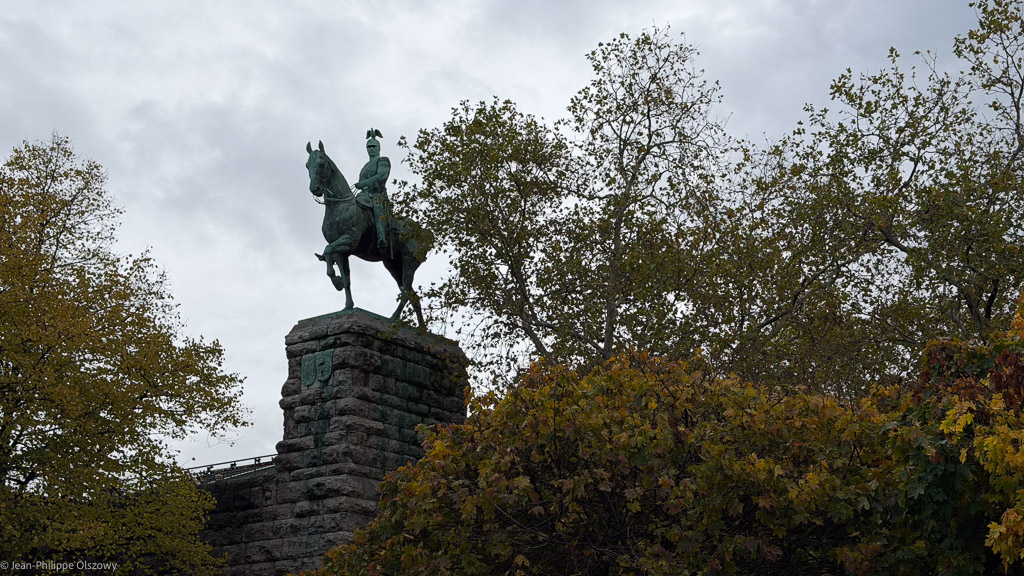
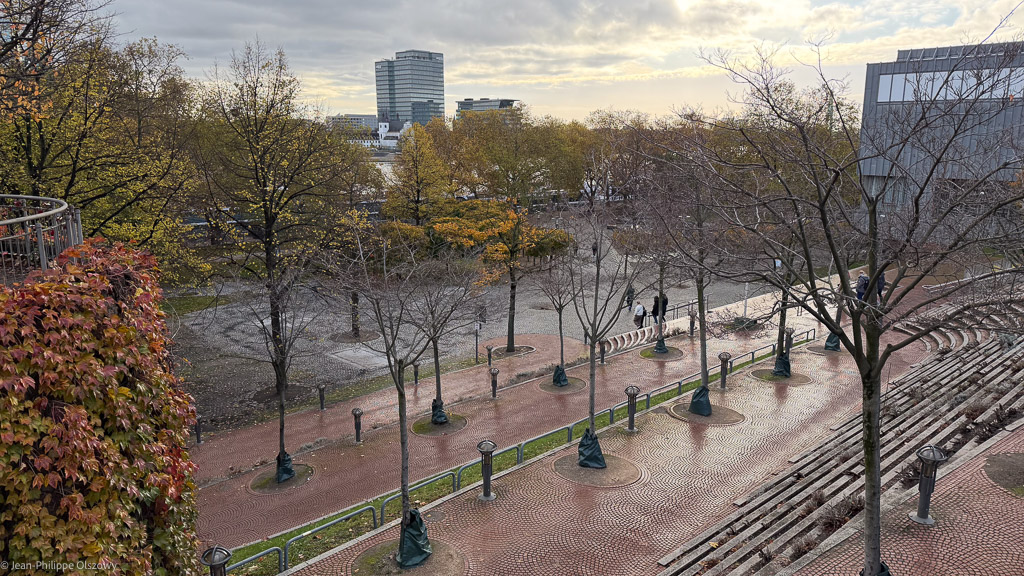
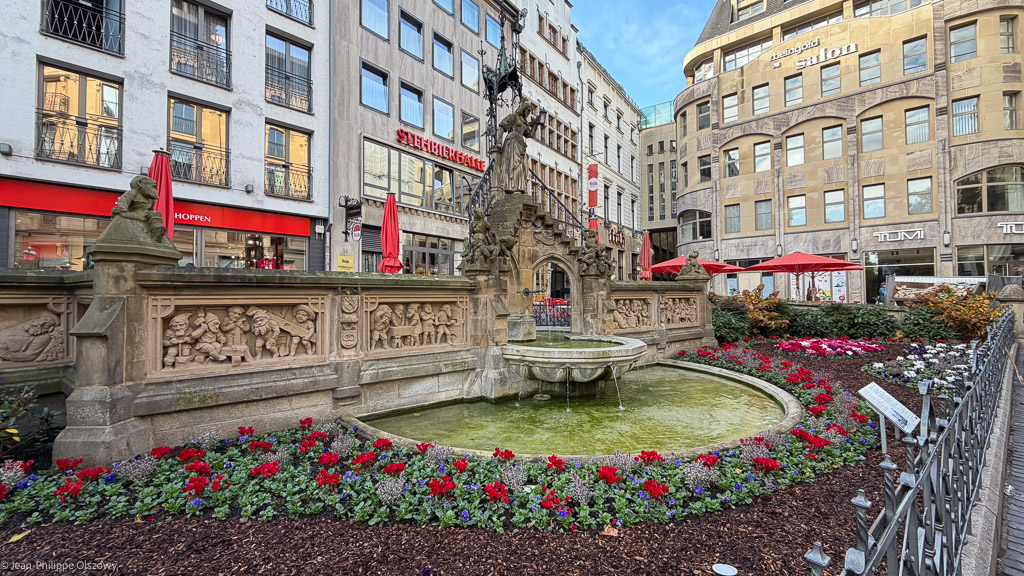
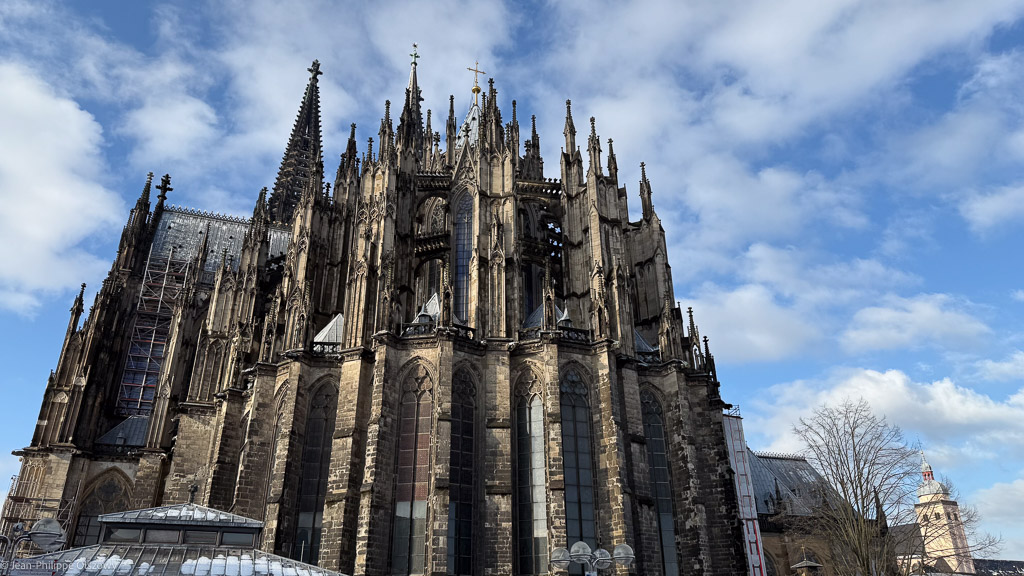
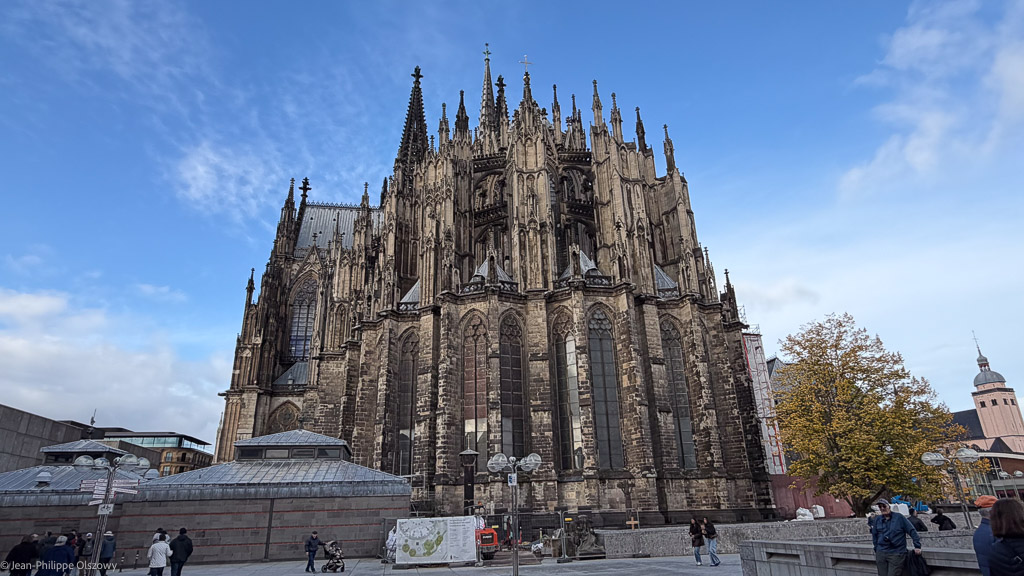
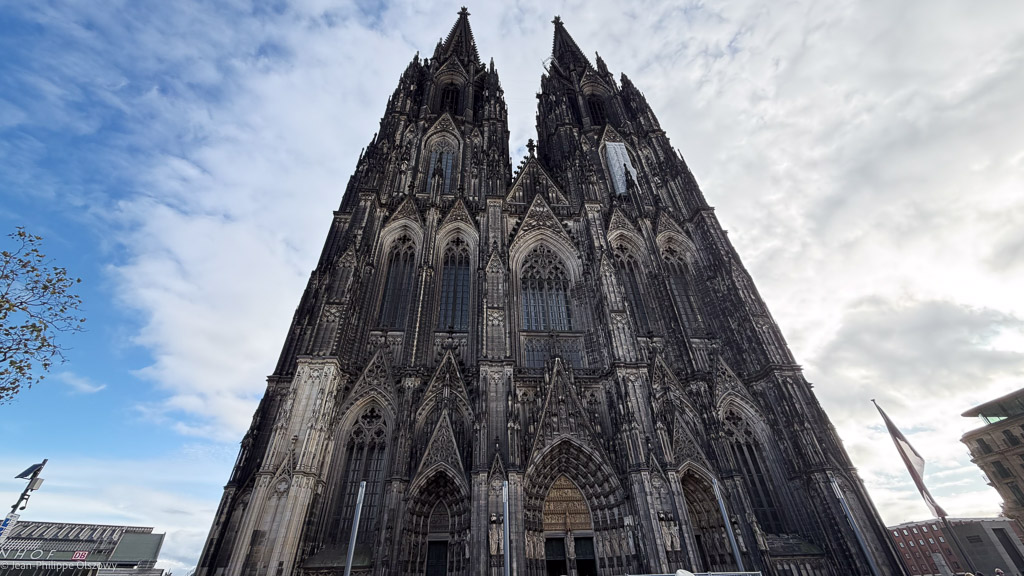
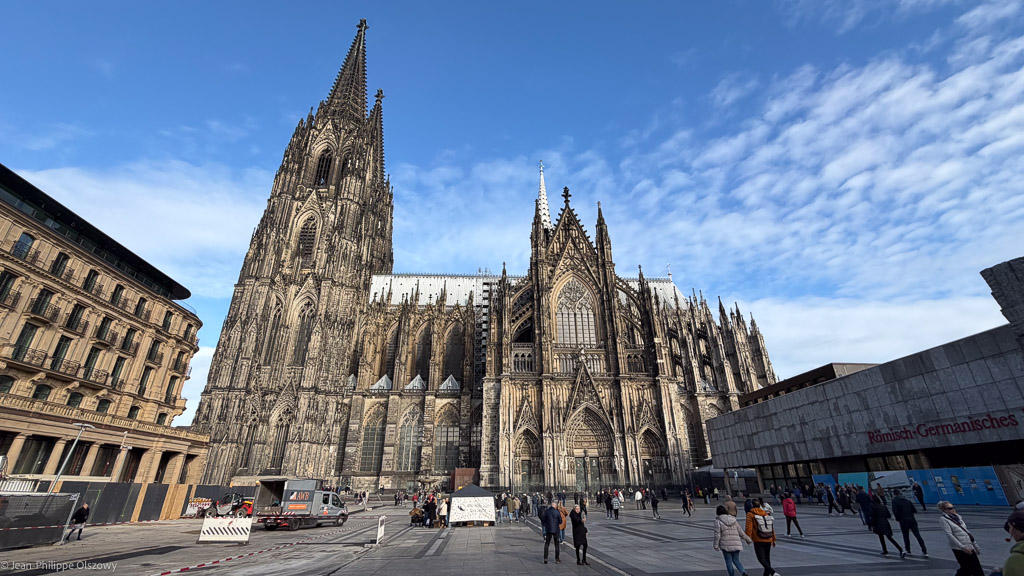
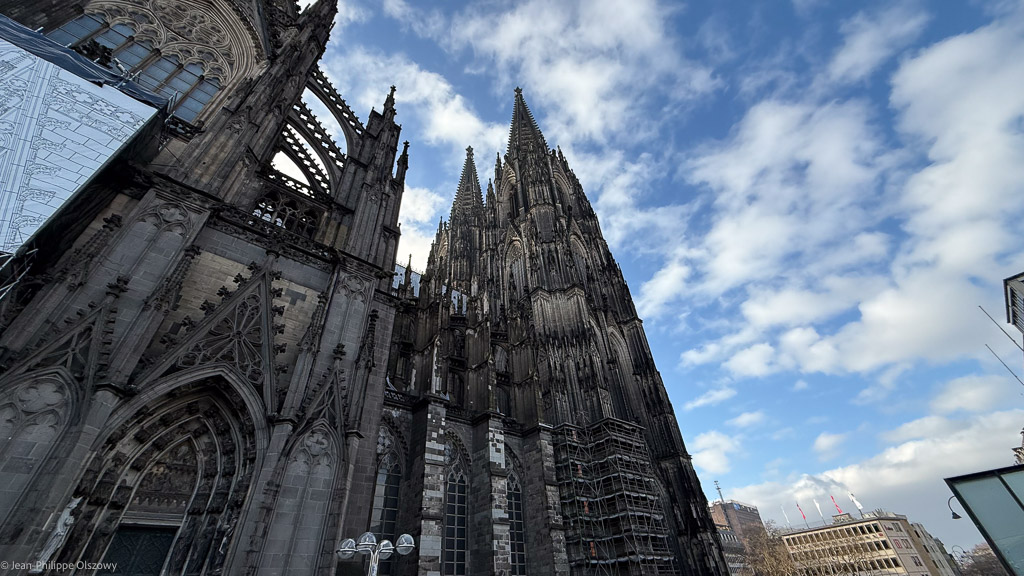
In Cologne, the cathedral is impossible to miss: its two spires dominate the entire city and can be seen from afar along the Rhine. Construction began in 1248… and wasn’t completed until 1880, more than six centuries later. In the interim, the site lay abandoned for a long time before being resumed in the 19th century, faithfully following the original medieval plans. The result is spectacular: even today, Cologne Cathedral remains one of the largest Gothic churches in Europe.
Next page, continuation and end of the stopovers…






Be First to Comment